 WHATSAPP US

READ ABOUT TOURISM IN Rajasthan, KNOW ITS POPULAR DESTINATIONS, POINTS OF INTEREST, BEST TIME TO VISIT Rajasthan & MORE!
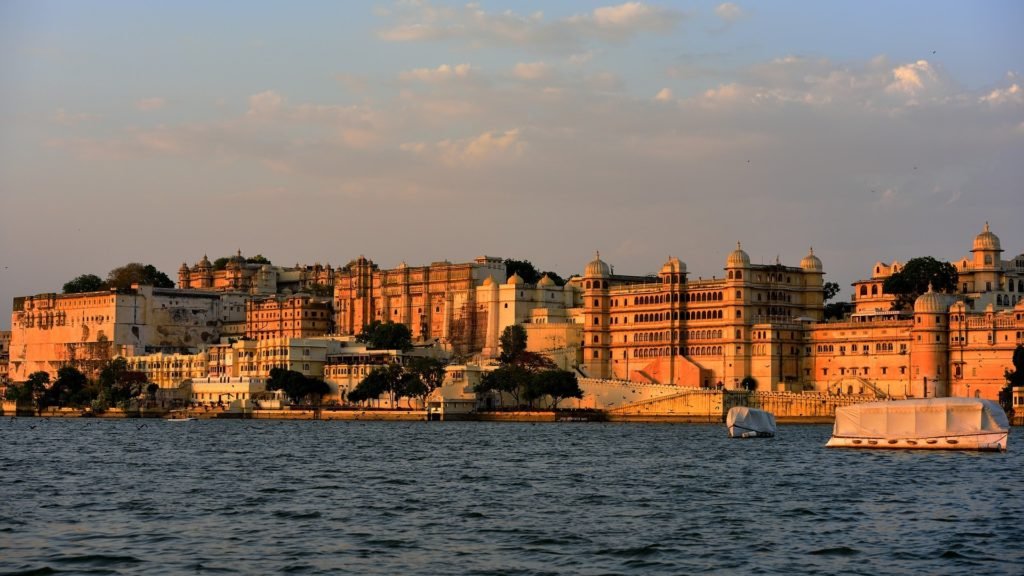
Tourism in Rajasthan
Last updated: November 2026
Rajasthan, the land of the Rajputs, is India’s largest state by area, covering about 3.42 lakh sq km — roughly 10.4% of the country’s total area. The northwestern state is consistently ranked among India’s top tourist destinations for both domestic and international travellers. Rajasthan is also home to the Great Thar Desert and is especially popular among tourists for the Sam Sand Dunes and its world-class forts and palaces. The land of Rajasthan also offers a variety of wildlife for nature lovers, from the tigers of Ranthambore to the migratory birds of Bharatpur. True to its name, which means “The Land of Kings”, Rajasthan has an ample amount of folklore — stories about wars, love, betrayal, victories, romance, and men of courage. Topographically, the state is home to India’s oldest mountain range — the Aravalli.
Quick answer: The most popular places to visit in Rajasthan are Jaipur, Udaipur, Jodhpur, Jaisalmer, Mount Abu, Ajmer–Pushkar, Chittorgarh and Bikaner. The best time to visit Rajasthan is from October to March, when the weather is pleasant and famous events such as the Pushkar Camel Fair and the Jaisalmer Desert Festival take place. A 7 to 10-day trip is ideal to cover the classic Rajasthan circuit.
Rajasthan at a Glance
| Category | Details |
|---|---|
| Capital | Jaipur (the Pink City) |
| Area | About 3,42,239 sq km — the largest state in India |
| Famous for | Forts & palaces, the Thar Desert, Rajput heritage, folk music & dance, handicrafts and royal cuisine |
| UNESCO World Heritage Sites | Keoladeo National Park, Jantar Mantar (Jaipur), Hill Forts of Rajasthan (Amber, Chittorgarh, Kumbhalgarh, Jaisalmer, Ranthambore & Gagron) and the Walled City of Jaipur |
| Best time to visit | October to March |
| Languages | Hindi and Rajasthani dialects (Marwari, Mewari, Dhundhari, etc.); English is widely understood in tourist areas |
| Major airports | Jaipur, Udaipur, Jodhpur, Jaisalmer, Bikaner and Kishangarh (Ajmer) |
| Ideal trip length | 7–14 days for a complete Rajasthan circuit |
| Must-try dishes | Dal Baati Churma, Laal Maas, Ker Sangri, Gatte ki Sabzi, Pyaaz Kachori and Ghevar |
Popular Destinations IN RAJASTHAN
1. Jaisalmer
The city is known for its proximity to the Great Thar Desert. A desert safari in the sand dunes of Jaisalmer is an extraordinary, once-in-a-lifetime experience. The city stands on a ridge of yellowish sandstone and is crowned by the ancient Jaisalmer Fort (Sonar Quila), built by Rawal Jaisal in 1156 — hence it is also called “The Golden City”. Jaisalmer Fort is one of the few “living forts” in the world, with homes, shops and guesthouses still functioning within its walls. The Desert Festival of Jaisalmer, usually held in January–February, is one of the most awaited and famous cultural events in Rajasthan. The festival showcases Rajasthani folk songs and dances, camel races, turban-tying contests and the popular “Mr. Desert” competition.
- Top attractions: Jaisalmer Fort, Patwon Ki Haveli, Gadisar Lake, Sam Sand Dunes, Khuri Dunes, Kuldhara (abandoned village), Bada Bagh and Tanot Mata Temple
- Best for: Desert camping, camel & jeep safaris, photography and stargazing
- Ideal stay: 2–3 days
2. Barmer
Barmer is one of the largest districts of Rajasthan by area and among the biggest in the country. In ancient times, the region was known as Malani, in the name of Rawal Mallinath, who was considered a cultural, philanthropic, and religious icon and is still worshipped as a deity by the people of Barmer. Barmer is known for its carved wooden furniture, hand-block printing, Ajrakh prints and colourful embroidery. The Mallinath Cattle Fair is one of the biggest cattle fairs in India; it takes place every year (around March–April) at Tilwara on the banks of the Luni river, a place also well known for its archaeological discoveries.
- Top attractions: Kiradu Temples (often called the “Khajuraho of Rajasthan”), Barmer Fort & Garh Temple, Juna Barmer and Viratra Vankal Mata Temple
- Best for: Offbeat desert culture and handicraft shopping
- Ideal stay: 1–2 days
3. Mount Abu
The only hill station in Rajasthan, Mount Abu is a green oasis in the desert state, set in the Aravalli Range at an altitude of about 1,220 metres. In the ancient era, Mount Abu was home to many saints and sages and is considered a holy place; according to Hindu belief, the hill is the abode of 33 crore (330 million) gods and goddesses. The sunset view from Sunset Point is a famous attraction. The town is also an architectural treasure because of the world-renowned “Dilwara Temples” — a group of Jain temples built between the 11th and 13th centuries and celebrated for their intricate white-marble carvings.
- Top attractions: Dilwara Temples, Nakki Lake, Guru Shikhar (the highest peak of the Aravallis at 1,722 m), Sunset Point, Achalgarh Fort and Mount Abu Wildlife Sanctuary
- Best for: Summer getaways, families and honeymooners
- Ideal stay: 2 days
4. Jodhpur
Representing the rich heritage of Rajasthan, Jodhpur is wrapped in pristine beauty. Called the “Blue City” because of the blue colour used on the majority of houses and buildings in the old city, and the “Sun City” for its bright, sunny weather throughout the year, Jodhpur was founded by Rao Jodha in 1459. The mighty Mehrangarh Fort rises about 120 metres above the city and is one of the largest forts in India. The city is one of the top preferences of tourists coming to Rajasthan and is an absolute delight to visit.
- Top attractions: Mehrangarh Fort, Umaid Bhawan Palace, Jaswant Thada, Mandore Gardens, Clock Tower (Ghanta Ghar) & Sardar Market and Toorji Ka Jhalra stepwell
- Best for: Heritage, street food (mirchi bada, mawa kachori, makhaniya lassi) and zip-lining at Mehrangarh
- Ideal stay: 2 days
5. Udaipur
Udaipur is a beautiful city in Rajasthan, thronged with mesmerising attractions. Lake Pichola, Fateh Sagar Lake, Udai Sagar Lake and Swaroop Sagar Lake are located in Udaipur; hence, the town is known as the “City of Lakes” and is often called the “Venice of the East”. The incredible city of Udaipur has enthralled and inspired many poets, painters, and writers throughout its history. Udaipur was once the historic capital of the Mewar region and was founded by Maharana Udai Singh II in 1559.
- Top attractions: City Palace, boat ride on Lake Pichola, Jag Mandir, Saheliyon Ki Bari, Bagore Ki Haveli (evening folk dance show), Sajjangarh (Monsoon) Palace and Ambrai Ghat
- Best for: Honeymoons, destination weddings and lakeside sunsets
- Ideal stay: 2–3 days
6. Chittorgarh
Chittorgarh (also known as “Chittor”) is home to one of the largest fort complexes in India and is an incredibly fascinating place to explore. Spread over roughly 700 acres on a hilltop, Chittorgarh Fort is part of the UNESCO-listed Hill Forts of Rajasthan and is associated with the legendary tales of Rani Padmini, Meera Bai and Maharana Kumbha. The city of Chittorgarh is located on the banks of the rivers Gambhiri and Berach. The Chittorgarh–Nimbahera area is also famous for its cement factories, marble, and granite.
- Top attractions: Vijay Stambha (Tower of Victory), Kirti Stambha, Rani Padmini’s Palace, Rana Kumbha Palace, Meera Temple and Gaumukh Reservoir
- Best for: History lovers and heritage photography
- Ideal stay: 1 day
7. Ajmer
One of the oldest cities of Rajasthan, Ajmer is located at the centre of the state. This wonderful city is famous throughout the world for the Dargah Sharif of Khwaja Moinuddin Chishti, which attracts lakhs of devotees every year, especially during the annual Urs. Ajmer symbolises unity in diversity, as it is an important pilgrimage centre for both Hindus and Muslims — the two largest religious communities in India — with the holy town of Pushkar and its rare Brahma Temple just about 15 km away. Surrounded by the Aravalli hills on all sides, Ajmer also has some worthy architectural gems, such as the Adhai Din Ka Jhonpra and Taragarh Fort.
- Top attractions: Ajmer Sharif Dargah, Ana Sagar Lake, Adhai Din Ka Jhonpra, Soniji Ki Nasiyan (Jain temple), Taragarh Fort, and Pushkar Lake & Brahma Temple nearby
- Best for: Pilgrimage and spiritual travel
- Ideal stay: 1–2 days (including Pushkar)
8. Jaipur
Jaipur, the capital of Rajasthan, is popularly known as the “Pink City” as numerous houses and buildings in its old walled city are painted in pink — a colour chosen to welcome the Prince of Wales in 1876. Founded in 1727 by Maharaja Sawai Jai Singh II, Jaipur was one of India’s earliest planned cities and was declared a UNESCO World Heritage City in 2019. Its attractions are charming enough to fascinate tourists every time they visit this city. The royal palaces, majestic forts, unique monuments, and colourful handicrafts of Jaipur have earned international fame for their richness and beauty. Jaipur is indeed an important part of the Golden Triangle of India (Delhi, Agra and Jaipur) on the international travel circuit. From bustling bazaars and lip-smacking cuisines to luxurious palaces and rich wildlife, you will find it all in Jaipur.
- Top attractions: Amber Fort, City Palace, Hawa Mahal, Jantar Mantar (UNESCO), Nahargarh Fort, Jaigarh Fort, Jal Mahal, Albert Hall Museum, and Johari & Bapu Bazaar
- Best for: First-time visitors, shopping (gemstones, block prints, blue pottery) and food
- Ideal stay: 2–3 days
9. Bikaner
The city takes its name from its founder, Rao Bika, who established it in 1488. From humble origins, it has developed into one of the largest cities in Rajasthan. The camel rides of Bikaner are renowned for their distinctive charm, and the city is home to the ICAR–National Research Centre on Camel. During medieval times, Bikaner was an important stop on the caravan trade routes that linked Central Asia and North India with the ports of Gujarat. The famous Bikaneri bhujia and namkeen (salted snacks made from different varieties of lentils and gram flour) are a mouthwatering contribution of Bikaner to Indian snacks — Bikaneri Bhujia even carries a Geographical Indication (GI) tag.
- Top attractions: Junagarh Fort, Lalgarh Palace, Karni Mata Temple at Deshnoke (famous for its thousands of rats), Rampuria Havelis, Gajner Palace & Lake and the National Research Centre on Camel
- Best for: Desert culture and the Bikaner Camel Festival (January)
- Ideal stay: 1–2 days
10. Bhangarh
Situated near the Sariska Tiger Reserve in Alwar district, Bhangarh is a village whose 16th-century fort is considered the most haunted place in India. It is an ideal place for those who seek adventure and thrill. Built by Raja Bhagwant Das of Amber for his son Madho Singh, the fort complex is set against the Aravalli hills, and the most remarkable features of Bhangarh are its old buildings, temples, havelis, a mosque, and a palace.
Note: Please read the Archaeological Survey of India (ASI) guidelines before visiting Bhangarh — entry inside the fort premises is not permitted before sunrise and after sunset.
- Top attractions: Bhangarh Fort ruins, Gopinath Temple, Someshwar Temple and the nearby Sariska Tiger Reserve
- Best for: History buffs and thrill-seekers; an easy day trip from Jaipur (about 85 km) or Alwar
- Ideal stay: Half a day
11. Nagaur
Nagaur is famous for the Nagaur Fort, also known as Ahhichatragarh, situated in the centre of the city. Its brilliant water engineering — rainwater harvesting, outdoor pools and tanks, water channels on top of the walls leading from a camel-driven well to the palace, and indoor waterfalls and fountains (which have dried up over time) — makes it one of the finest examples of Rajput–Mughal architecture. Nagaur also hosts the Nagaur Cattle Fair, held every year around January–February, which is one of the largest cattle fairs in India, and the World Sufi Spirit Festival held at the fort.
- Top attractions: Ahhichatragarh Fort, Nagaur Cattle Fair, Dargah of Sufi Hamiduddin Nagori and Khimsar Fort
- Best for: Offbeat heritage and fair-goers
- Ideal stay: 1 day
12. Rajsamand
Rajsamand is popularly known for its historic tales of kings, battles, and valour. Situated near Udaipur, it is an important cultural hub of Rajasthan and takes its name from the Rajsamand Lake, built by Maharana Raj Singh I in the 17th century. Rich in natural resources, the city is especially known for its large production of marble and granite — something exported across the world. The district is also home to the UNESCO-listed Kumbhalgarh Fort, the historic battlefield of Haldighati and the pilgrimage town of Nathdwara. Experience the cultural delights of Rajsamand during the Rana Raj Singh festival, where locals perform traditional arts such as the Ghoomar, Gair, and Rasila dances.
- Top attractions: Rajsamand Lake & Nauchowki marble pavilions, Kumbhalgarh Fort, Haldighati & Maharana Pratap Museum, Shrinathji Temple (Nathdwara) and the Statue of Belief (Vishwas Swaroopam) — one of the tallest Shiva statues in the world
- Best for: Heritage, pilgrimage and road trips from Udaipur
- Ideal stay: 1–2 days
13. Bhilwara
One of the green cities of Rajasthan, Bhilwara is called the “Textile City” of the state and is often referred to as the “Manchester of Rajasthan” because of its large textile industry. With a history of about 900 years, Bhilwara is known for its Jataun Ka Mandir, Harni Mahadev, Pur Udan Chatri, and Kyara Ke Balaji Temple. The region is also famous for Phad painting, a traditional scroll art form from nearby Shahpura.
- Top attractions: Harni Mahadev, Mandalgarh Fort, Menal Waterfall & temples, Badnore Fort and Shahpura (Phad art)
- Best for: Offbeat travellers and textile shopping
- Ideal stay: 1 day
Bonus: 10 More Places to Visit in Rajasthan
Want to go beyond the classics? Add these equally rewarding destinations to your Rajasthan itinerary:
- Pushkar – A holy town with the sacred Pushkar Lake, 52 ghats and one of the very few Brahma temples in the world; it hosts the world-famous Pushkar Camel Fair in October–November.
- Ranthambore (Sawai Madhopur) – One of the best places in India to spot wild Bengal tigers, with the UNESCO-listed Ranthambore Fort inside the national park.
- Kumbhalgarh – A UNESCO hill fort with a massive wall stretching about 36 km, and the birthplace of Maharana Pratap.
- Bundi – An offbeat gem known for its stepwells (baoris), Taragarh Fort and the exquisite murals of the Bundi school of painting.
- Shekhawati (Mandawa, Nawalgarh & Fatehpur) – Often called the “open-air art gallery” of Rajasthan for its beautifully painted havelis.
- Bharatpur – Home to Keoladeo National Park, a UNESCO site and a paradise for birdwatchers in winter.
- Alwar – The gateway to Sariska Tiger Reserve, with Bala Quila, Siliserh Lake and the City Palace.
- Kota – Known for Chambal river safaris, Garh Palace, the Seven Wonders Park and its fine Kota Doria fabric.
- Ranakpur – Famous for its 15th-century Jain temple with 1,444 intricately carved marble pillars, no two of which are alike.
- Abhaneri & Osian – See the spectacular Chand Baori stepwell at Abhaneri and the ancient temples and sand dunes of Osian near Jodhpur.
Rajasthan Cities and Their Famous Nicknames
| City | Nickname | Why it is called so |
|---|---|---|
| Jaipur | Pink City | Terracotta-pink buildings of the old walled city |
| Jodhpur | Blue City / Sun City | Blue-painted houses and sunny weather all year round |
| Jaisalmer | Golden City | Yellow sandstone fort and buildings that glow golden in sunlight |
| Udaipur | City of Lakes / Venice of the East | Its many interconnected lakes, including Lake Pichola |
| Bikaner | Camel Country | Its camel heritage, camel festival and camel research centre |
| Bhilwara | Textile City | One of the largest textile hubs in India |
| Shekhawati | Open-Air Art Gallery | Hundreds of havelis covered in colourful frescoes |
Points of Interest IN RAJASTHAN
1. Forts & Palaces
Jaipur – Popular palaces & forts located in the Pink City, Jaipur include Amber Fort & Palace, Nahargarh Fort, Jaigarh Fort, Shahpura Haveli, Samode Palace, City Palace, Rambagh Palace, Jal Mahal, Hawa Mahal, Narain Niwas Palace, Raj Mahal Palace, Alsisar Haveli, Bissau Palace, Jai Mahal, Mahar Haveli and more.
Udaipur – Popular palaces & forts located in Udaipur include City Palace, Jag Niwas (Lake Palace), Jag Mandir Palace, Shiv Niwas Palace, Amet Haveli, Fateh Prakash Haveli, Fort Delwara, Sajjangarh (Monsoon) Palace and more.
Bikaner – Popular palaces & forts located in Bikaner include Junagarh Fort & Palace, Laxmi Niwas Palace, Gajner Palace, Lalgarh Palace and more.
Jodhpur – Popular palaces & forts located in Jodhpur include Umaid Bhawan Palace, Mehrangarh Fort, Bal Samand Lake Palace, Palace of Bilara, Ajit Bhawan and more.
Jaisalmer – Popular palaces & forts located in Jaisalmer include Jaisalmer Fort (Sonar Quila), Patwon Ki Haveli, Nathmal Ji Ki Haveli, Salim Singh Ki Haveli, Mandir Palace and more.
Chittorgarh & Kumbhalgarh – Popular forts in this Mewar belt include Chittorgarh Fort, Kumbhalgarh Fort, Rana Kumbha Palace and Fateh Prakash Palace.
Apart from these major forts and palaces, there are many other famous and historic havelis, forts, and palaces in other cities of Rajasthan. Some of these are Hindaun Fort, Matiya Mahal, Bijai Garh, Bala Fort, Mandrail Fort, Timangarh Fort, Lohagarh Fort, Deeg Fort, Royal Rao Palace, Raj Niwas Palace, Seengh Sagar, Kumbhalgarh Fort, Phool Mahal Palace, Nathmalji Ki Haveli, Kuchaman Fort, Gorbandh Palace, Gol Bagh Palace, Deogarh Mahal, Bhinder Garh, Bansi Garh, Sariska Palace, Neemrana Fort Palace, Castle Mandawa, Mundota Fort and Palace, Laxmi Vilas Palace, Laxmangarh Fort, Devigarh, Khimsar Fort, and Jaisalmer Fort.
UNESCO World Heritage Sites in Rajasthan: Rajasthan has four UNESCO World Heritage listings — Keoladeo National Park (1985), Jantar Mantar, Jaipur (2010), the Hill Forts of Rajasthan (2013), which include Chittorgarh, Kumbhalgarh, Ranthambore, Gagron, Amber and Jaisalmer forts, and the Walled City of Jaipur (2019).
2. WORSHIP, PILGRIMAGE OR RELIGIOUS
Famous Temples: Popular temples located in Rajasthan are Swarna Mandir, Dilwara Temples, Pataleshwar Temples, Khatu Shyam Ji Temple, Shri Mehandipur Balaji Temple, Raghunath Mandir, Brahma Temple, Varaha Temple, Udai Mandir, Savitri Temple, Meera Temple, Ganesh Temple, Karni Mata Temple, Ranakpur Temple, Narsingh Temple, Godavari Dham Temple, Moti Dungri Ganesh Temple, Vaishno Devi Mandir, Param Hans Dham, Tarkeshwar Mahadev Temple, Shrinathji Temple (Nathdwara), Eklingji Temple, Salasar Balaji Temple, and Govind Dev Ji Temple (Jaipur).
Famous Jain Temples: Rajasthan is also a major centre of Jain heritage, with the Dilwara Temples (Mount Abu), Ranakpur Jain Temple, Soniji Ki Nasiyan (Ajmer), Lodurva and Jaisalmer Fort Jain Temples, and Shri Mahavirji (Karauli).
Famous Churches: Popular Churches located in Rajasthan are Shepherd Memorial Church, Rajasthan Pentecostal Church, Our Lady of Fatima Cathedral, and St. Gregorios Orthodox Church.
Famous Mosques & Dargahs: Popular Mosques/Dargahs located in Rajasthan are Dargah Mastan Shah Baba, Dargah Sheikh Mohammed Darvesh, Dargah Hazrat Diwan e Shah, Dargah Fakhruddin Shareef, Dargah Hisamuddin Chishti, Dargah Khwaja Fakhruddin Chishti, Dargah Khwaja Moinuddin Chishti (Garib Nawaz), Adhai Din Ka Jhonpra.
3. Museums
Popular museums of Rajasthan include Ahar Museum, Ajmer Government Museum, Albert Hall Museum (Central Museum), Anokhi Museum of Hand Painting, Bagore Ki Haveli, Bharatpur Palace and Museum, Ganga Government Museum, Jaipur Wax Museum, Jaisalmer Government Museum, Jhalawar Government Museum, Jodhpur Government Museum, Maharao Madho Singh Museum, Prachina Museum Shipgram, Jaisalmer War Museum, Longewala War Memorial, Vintage Car Collection, The Crystal Gallery, Sculpture Park (Nahargarh), Museum of Gem and Jewellery, Jaswant Thada, Mehrangarh Fort and Museum, Chokelao Bagh and Interpretation Centre (Ahhichatragarh), Nagaur Fort and Museum, Bharatiya Lok Kala Mandir, Dolls Museum (Jaipur), Jawahar Kala Kendra, Maharana Pratap Museum, Bangar Museum, S R C Museum of Indology, Patwon Ki Haveli, Rajiv Gandhi Regional Museum, Kamal Morarka Haveli, and the City Palace Museums of Jaipur and Udaipur.
4. Wildlife Sanctuaries And National Parks
Famous wildlife sanctuaries and national parks of Rajasthan include Keoladeo Ghana National Park, Ranthambore National Park, Sariska Wildlife Sanctuary, Gajner Wildlife Sanctuary, Desert National Park, Kumbhalgarh Wildlife Sanctuary, Darrah Sanctuary, Mount Abu Sanctuary, Sita Mata Sanctuary, Keladevi Wildlife Sanctuary, National Chambal Wildlife Sanctuary, Machiya Safari Park, Ramgarh Vishdhari Sanctuary, Mukundara Tiger Reserve, Baretha Wildlife Sanctuary, Jaisamand Sanctuary, Todgarh Raoli Wildlife Sanctuary, Sajjangarh Wildlife Sanctuary, Bassi Wildlife Sanctuary, and Tal Chhapar Sanctuary.
Top wildlife parks of Rajasthan at a glance:
| National Park / Sanctuary | Location | Famous for | Best time to visit |
|---|---|---|---|
| Ranthambore National Park | Sawai Madhopur | Bengal tigers and the historic Ranthambore Fort | October to June (core zones close during monsoon) |
| Keoladeo National Park | Bharatpur | Hundreds of resident and migratory bird species | November to February |
| Sariska Tiger Reserve | Alwar | Tigers, leopards and Kankwari Fort | October to June |
| Desert National Park | Jaisalmer & Barmer | Great Indian Bustard and desert ecology | November to March |
| Jhalana Leopard Reserve | Jaipur | Leopard safaris right inside the city | October to March |
| Kumbhalgarh Wildlife Sanctuary | Rajsamand & Pali | Leopards, wolves and scenic Aravalli trails | October to March |
| Tal Chhapar Sanctuary | Churu | Blackbucks and raptors | September to March |
READ EVERYTHING ABOUT TOURISM IN KERALA
The Best Time to Visit Rajasthan
Most parts of Rajasthan come under the Great Thar Desert and hence have an arid to semi-arid climate throughout the year. The state witnesses cold winters and extremely hot summers. In summer (April–June), the temperature can soar up to 45–50 degrees Celsius, while in winter (December–February) it can dip close to 0 degrees Celsius in certain parts, such as the desert areas and Mount Abu.
Overall, the best time to visit Rajasthan is from October to March, when the weather is pleasant for sightseeing, desert safaris and wildlife trips. The best season to enjoy the spirit and colour of Rajasthan is during the September–December months. During this time of the year, the famous Pushkar Mela, as well as several other cultural programmes, are organised in the largest state of India.
| Season | Months | Weather | Ideal for |
|---|---|---|---|
| Winter (peak season) | October – March | Pleasant days (around 10°C–28°C) and cold desert nights | Sightseeing, desert camping, fairs & festivals and wildlife safaris |
| Summer | April – June | Very hot, often 40°C and above | Mount Abu, budget hotel deals and early-morning tiger sightings at Ranthambore |
| Monsoon | July – September | Moderate rainfall, greener Aravalli hills | Udaipur, Mount Abu, the Teej festival and fewer crowds |
Rajasthan festival calendar (approximate months; exact dates change every year as per the lunar calendar):
| Festival / Fair | Place | Month |
|---|---|---|
| Bikaner Camel Festival | Bikaner | January |
| Jaipur Literature Festival | Jaipur | January |
| Nagaur Cattle Fair | Nagaur | January – February |
| Desert Festival | Jaisalmer | January – February |
| Gangaur | Jaipur, Udaipur & across Rajasthan | March – April |
| Mewar Festival | Udaipur | March – April |
| Teej | Jaipur & across Rajasthan | July – August |
| Marwar Festival & Rajasthan International Folk Festival | Jodhpur | October |
| Pushkar Camel Fair | Pushkar | October – November |
| Urs | Ajmer Sharif | As per the Islamic calendar (month of Rajab) |
Things to do in Rajasthan
1. Enjoy Sand Dunes/Sand Safari/Desert Camping
A trip to Rajasthan cannot conclude without desert camping and camel rides in the dunes of the Thar. The experience of desert camping in Rajasthan is a memory worth cherishing for a lifetime. Jaisalmer (especially the Sam and Khuri dunes) is the ideal destination to enjoy desert rides, delicious authentic Rajasthani food, lively folk dances, colourful puppet shows, and a starlit sky at night. You can also hire a 4×4 SUV with an experienced local driver and have an adrenaline-pumping, exhilarating experience of dune bashing in the Thar Desert. Bikaner, Osian (near Jodhpur) and Pushkar are other great places for camel safaris.
2. Indulge in Rajasthani Culinary Delights
For gourmet lovers, Rajasthan offers something extraordinarily scrumptious — Chokhi Dhani! Identified with royal hospitality, Chokhi Dhani is a Mecca for foodies. It serves authentic Rajasthani cuisine with some great folk dance performances and a touch of genial hospitality in a recreated village setting. For budget travellers and those who seek delicacies of Indian street food, Rajasthan’s dal baati churma, jalebi, pyaaz kachori and poori sabzi are a must-try.
Must-try Rajasthani dishes:
- Dal Baati Churma – The signature dish of Rajasthan: baked wheat balls served with lentils and sweet churma
- Laal Maas – A fiery mutton curry made with Mathania red chillies
- Ker Sangri – A tangy desert-bean and berry preparation unique to the Thar
- Gatte ki Sabzi – Gram-flour dumplings in a spiced yoghurt gravy
- Pyaaz Kachori & Mirchi Bada – Iconic street snacks of Jodhpur and Jaipur
- Ghevar, Mawa Kachori & Makhaniya Lassi – Sweet treats you should not miss
3. Fairs & Festivals
Rajasthan has been traditionally known for its colourful fairs and festivals that have achieved world stature. Some of the famous festivals and fairs that you must witness are — Urs in Ajmer Sharif, Pushkar Mela (Cattle Fair), Camel Festival (Bikaner), Marwar Festival, Nagaur Fair, Desert Festival of Jaisalmer, Gangaur Festival, Mewar Festival, and Teej (Jaipur). Besides these, Rajasthan also holds a number of festivals having specific religious significance.
4. Stay in a Heritage Palace or Haveli
Live like royalty by staying in one of Rajasthan’s many heritage hotels — from grand palace hotels in Jaipur, Udaipur and Jodhpur to restored havelis and forts in Shekhawati, Bikaner and the Mewar countryside. Many forts, such as Amber, Mehrangarh and Chittorgarh, also host evening light and sound shows that bring their history to life.
5. Go on a Wildlife Safari
Spot tigers in Ranthambore and Sariska, leopards in Jhalana (Jaipur) and Kumbhalgarh, and thousands of winter birds in Bharatpur’s Keoladeo National Park. Safari seats are limited, so book in advance through the official Rajasthan Forest Department portal.
6. Shop for Rajasthani Handicrafts
Rajasthan is a shopper’s paradise. Look out for:
- Bandhani and Leheriya tie-dye textiles
- Hand-block prints from Sanganer and Bagru
- Blue pottery from Jaipur
- Leather mojaris and juttis from Jodhpur
- Kundan, Meenakari and silver jewellery
- Miniature and Phad paintings
- Kota Doria saris and camel-leather goods
Popular markets include Johari Bazaar and Bapu Bazaar (Jaipur), Sardar Market (Jodhpur), Hathi Pol Bazaar (Udaipur) and Sadar Bazaar (Jaisalmer). For assured quality and fixed prices, you can also shop at Rajasthali, the state government emporium.
7. Take a Hot Air Balloon Ride
Float over the forts and palaces of Jaipur or the colourful camel fair grounds of Pushkar at sunrise — one of the most memorable ways to see Rajasthan from above.
8. Experience Rajasthani Folk Music & Dance
Watch the graceful Ghoomar, the snake-charmer-inspired Kalbeliya (listed by UNESCO as an Intangible Cultural Heritage), the balancing act of Bhavai and the soulful music of the Manganiyar and Langa musicians. The evening Dharohar show at Bagore Ki Haveli in Udaipur is a great place to start.
9. Enjoy a Sunset Boat Ride in Udaipur
A boat ride on Lake Pichola at sunset, with views of the City Palace, Jag Mandir and the Lake Palace, is one of the most romantic experiences in Rajasthan.
How to Reach Rajasthan
- By Air: Jaipur International Airport is the main gateway to Rajasthan, with direct flights from all major Indian cities and some international destinations. Udaipur, Jodhpur, Jaisalmer, Bikaner and Kishangarh (for Ajmer and Pushkar) also have airports.
- By Rail: Rajasthan is well connected by Indian Railways, with major stations at Jaipur, Jodhpur, Ajmer, Udaipur, Bikaner, Kota, Sawai Madhopur and Jaisalmer. For a royal experience, luxury trains such as the Palace on Wheels and the Maharajas’ Express offer curated journeys across the state.
- By Road: Jaipur is about 280 km from Delhi (around 5 hours by road via NH 48). The state is also served by the Delhi–Mumbai Expressway, which passes through eastern Rajasthan, and by an extensive network of RSRTC and private buses.
Suggested Rajasthan Itineraries
| Trip duration | Suggested route | Best for |
|---|---|---|
| 4–5 days | Jaipur (2 nights) → Ajmer & Pushkar (1 night) → Jodhpur (2 nights) | First-time visitors and short holidays |
| 7 days | Jaipur → Pushkar → Jodhpur → Jaisalmer | Forts, culture and the desert experience |
| 10 days | Jaipur → Ranthambore → Udaipur → Kumbhalgarh → Jodhpur → Jaisalmer | Heritage plus wildlife |
| 14 days | Jaipur → Shekhawati → Bikaner → Jaisalmer → Jodhpur → Mount Abu → Udaipur → Chittorgarh | The grand Rajasthan tour |
Rajasthan Travel Tips
- Book hotels and desert camps well in advance for October–March, especially around the Pushkar Fair, Diwali, Christmas and New Year.
- Carry warm layers in winter (desert nights get cold), and sunscreen, a hat and plenty of water in summer.
- Dress modestly at temples and dargahs, remove footwear where required, and cover your head at Ajmer Sharif.
- Buy the Jaipur composite ticket to save money on multiple monuments such as Amber Fort, Hawa Mahal, Jantar Mantar, Albert Hall and Nahargarh.
- Hire government-approved guides at forts and book wildlife safaris only through official portals.
- Bargain politely in local markets and look for GI-tagged products for authenticity.
- Follow ASI and local rules at heritage sites — for example, flying drones usually needs prior permission.
Frequently Asked Questions (FAQs) About Rajasthan Tourism
1. What is the best time to visit Rajasthan?
The best time to visit Rajasthan is from October to March, when the weather is pleasant, and the state celebrates major events like the Pushkar Camel Fair, the Desert Festival and the Bikaner Camel Festival.
2. How many days are enough for a Rajasthan trip?
Around 7 to 10 days are enough to cover the classic circuit of Jaipur, Pushkar, Jodhpur, Jaisalmer and Udaipur. With 4–5 days, focus on Jaipur, Ajmer–Pushkar and Jodhpur.
3. Which are the most famous tourist places in Rajasthan?
Jaipur, Udaipur, Jodhpur, Jaisalmer, Mount Abu, Ajmer–Pushkar, Chittorgarh, Bikaner and Ranthambore are the most visited tourist places in Rajasthan.
4. Why is Rajasthan called “The Land of Kings”?
Rajasthan, earlier known as Rajputana, was ruled by several Rajput kingdoms such as Mewar, Marwar, Amber and Bikaner. Their grand forts, palaces and tales of valour earned the state the title “The Land of Kings”.
5. Which is the only hill station in Rajasthan?
Mount Abu, in Sirohi district, is the only hill station in Rajasthan. It is famous for the Dilwara Temples, Nakki Lake and Guru Shikhar.
6. How many UNESCO World Heritage Sites are there in Rajasthan?
Rajasthan has four UNESCO World Heritage listings: Keoladeo National Park, Jantar Mantar (Jaipur), the Hill Forts of Rajasthan (six forts) and the Walled City of Jaipur.
7. Is Rajasthan safe for solo and female travellers?
Yes, Rajasthan is generally considered safe and welcoming for solo and female travellers. Follow standard precautions — use registered taxis and guides, avoid isolated areas late at night, and stay in well-reviewed accommodation.
8. What is Rajasthan famous for?
Rajasthan is famous for its majestic forts and palaces, the Thar Desert, colourful fairs and festivals, folk music and dance, handicrafts, and royal cuisine such as Dal Baati Churma and Laal Maas.
9. What should I buy in Rajasthan?
Popular buys include Bandhani and block-printed textiles, blue pottery, mojaris, Kundan and Meenakari jewellery, miniature paintings, and Bikaneri Bhujia.
Plan Your Rajasthan Trip
From the golden dunes of Jaisalmer and the lakes of Udaipur to the forts of Chittorgarh and the bazaars of Jaipur, Rajasthan offers a lifetime of experiences in a single trip. Bookmark this Rajasthan Tourism guide, pick your favourite destinations, and start planning your royal journey with TourismBharat!