 WHATSAPP US

Find everything you can do in this incredible country with this Vietnam Travel Guide. Explore the rich history it unfolds and learn all about the best time to visit, top places, food to taste, visa tips, budget and much more!
Last updated: November 2026
 From the lush, misty mountains in the north to the sun-soaked beaches in the south, Vietnam is a treasure chest of experiences waiting to be unpacked. However you look at it, few countries can match Vietnam’s richness of history, culture and natural beauty. From the bustling streets of Hanoi to the calm of Halong Bay, and from the ancient charm of Hoi An to the pulsating energy of Ho Chi Minh City, this land of contrasts has something waiting for every traveller. Here is the complete Vietnam travel guide you can follow.
From fantastic architecture to bustling markets and flavourful food, the country is a vibrant mix of old traditions and modern-day innovation. Whether you are dodging motorbikes through the narrow alleys of the Old Quarter, cruising through emerald waters or exploring ancient temples, Vietnam has a personal appeal that is hard to ignore. Its fresh, vibrant cuisine adds yet another layer of charm and takes you on a food journey that is unique and memorable.
Vietnam is also lovingly called a country of coffee and literature. It is the world’s second-largest coffee producer after Brazil, and its cafés are a way of life. At the same time, Hanoi is home to the Temple of Literature, which houses Vietnam’s first national university (founded in 1076), while the epic poem The Tale of Kieu by Nguyen Du is still recited across the country. Book streets in Hanoi and Ho Chi Minh City keep this literary spirit alive today.
Keeping all this in mind, we have put together a detailed guide covering the best time to visit, the top attractions to see, must-have experiences, the food and drinks to try, the cities you should not miss, and a practical itinerary to help you make the most of your trip. Get ready for an inspiring journey that will stay in your memory for a long time.
Vietnam at a Glance: Quick Facts for Travellers
| Capital | Hanoi |
| Largest City | Ho Chi Minh City (Saigon) |
| Currency | Vietnamese Dong (VND); roughly ₹1 = 290–300 VND (check live rates before you travel) |
| Language | Vietnamese; English is widely understood in tourist areas |
| Time Zone | GMT+7 (1 hour 30 minutes ahead of India) |
| Visa for Indians | E-visa required; valid for up to 90 days (single or multiple entry) |
| Flight Time from India | About 4–6 hours on direct flights |
| Best Time to Visit | March–April and September–November (varies by region) |
| Ideal Trip Length | 7–14 days |
| UNESCO World Heritage Sites | 9, including Halong Bay, Hoi An, Hue and My Son |
| Power Plugs | 220V; Type A, C and F sockets (carry a universal adapter) |
Key Takeaways:
- Vietnam is long and narrow, so the north, centre and south have different weather. Plan your route around the season.
- Halong Bay, Hoi An, Hue, the Mekong Delta and Sa Pa are the must-see highlights for first-time visitors.
- Indian travellers need an e-visa, which is applied for online through the official Vietnam immigration portal.
- Vietnam is budget-friendly. A comfortable mid-range trip costs roughly ₹6,000–10,000 per person per day.
- Do not leave without trying pho, banh mi, egg coffee and a traditional Vietnamese iced coffee.
Best Time to Visit Vietnam
Vietnam stretches over 1,600 km from north to south, which means the weather varies a lot from one region to another. For this reason, the best time to visit depends on the regions you plan to explore. Generally speaking, the best times to visit Vietnam are spring (March to April) and autumn (September to November). These months are usually mild and pleasant in most parts of the country, which makes them ideal for sightseeing and outdoor activities.
Spring (March to April): This is the best time to visit the whole country. Days are warm and sunny with very little rain in North Vietnam, which is ideal for sightseeing in cities such as Hanoi and around Halong Bay. The centre and the south are also dry and pleasant, perfect for beach holidays and sightseeing.
Autumn (September to November): It is generally cooler and less humid, particularly in the north, while the south stays warm and the rains start easing off. These are good months to visit Hanoi, Sa Pa (the rice terraces turn golden in September) and Ho Chi Minh City. Keep in mind that the central coast, including Hoi An, Hue and Da Nang, receives its heaviest rains from October to December, so February to August is the better window for these places.
Summer (June to August): This period gets very hot and humid in the north and central regions, and there are chances of typhoons along the coast. On the other hand, the central beaches of Da Nang and Hoi An enjoy plenty of sunshine at this time, while the south, including the Mekong Delta and Phu Quoc Island, sees short afternoon showers but remains comfortable for travel.
Winter (December to February): The north turns cool and foggy (Sa Pa can drop close to freezing), while the south is dry and sunny. This is peak season for Phu Quoc, Ho Chi Minh City and the Mekong Delta. Note that Tet, the Lunar New Year, falls in late January or February, when many shops close and transport gets booked out.
| Region | Key Places | Best Months | Months to Avoid |
|---|---|---|---|
| North Vietnam | Hanoi, Halong Bay, Sa Pa, Ninh Binh | March–May, September–November | June–August (hot, humid, storms) |
| Central Vietnam | Hue, Hoi An, Da Nang, Phong Nha | February–August | October–December (heavy rain, floods) |
| South Vietnam | Ho Chi Minh City, Mekong Delta, Phu Quoc | November–April | Mid-year brings daily showers, but travel is still possible |
Top 11 Attractions in Vietnam
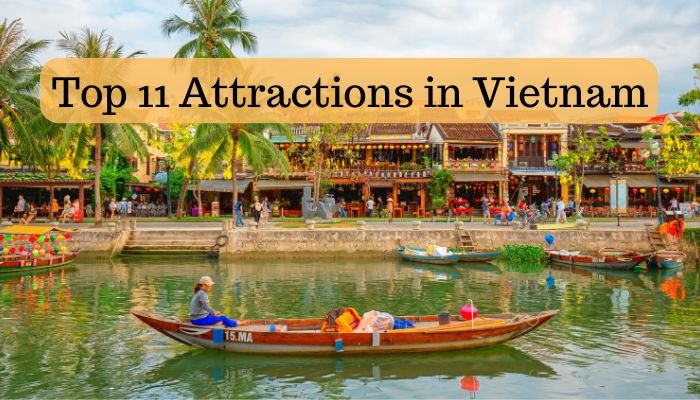
With attractions for every kind of traveller, here are the top 11 places you should not miss in Vietnam, as per this Vietnam travel guide:
1. Halong Bay: A UNESCO World Heritage Site steeped in legend, Halong Bay is famous for its emerald waters and nearly 2,000 towering limestone islands and islets topped with rainforest. Its name means “where the dragon descends to the sea”. A cruise through this mystical bay is a must, and nearby Lan Ha Bay offers a quieter alternative.
- Location: About 2.5–3 hours by road from Hanoi
- Ideal time to spend: 1–2 days (an overnight cruise is recommended)
2. Old Quarter Hanoi: The quintessential heart of the capital, the Old Quarter buzzes with narrow streets, colonial-era architecture, lively markets and tempting street food stalls. Its streets were historically named after the goods sold on them, and it is fascinating to soak in the ancient charm and cultural richness of this historic precinct. Don’t miss the weekend walking street around Hoan Kiem Lake.
3. Hoi An Ancient Town: Known for its well-preserved architecture, this charming UNESCO-listed town reflects Vietnam’s rich trading past, with Japanese, Chinese and European influences. The lanterns that light up its evenings along the Thu Bon River are simply unmissable, especially during the monthly Full Moon Lantern Festival.
4. Cu Chi Tunnels: Another must-visit attraction lies on the outskirts of Ho Chi Minh City. Here, you can imagine, with a shudder, what life was like for the Viet Cong soldiers during the Vietnam War. The vast underground network once stretched over 200 km, and visitors can crawl through specially widened sections of the tunnels.
- Location: Around 1.5–2 hours by road from central Ho Chi Minh City
- Tip: Choose the Ben Dinh or Ben Duoc site and go early in the morning to avoid the heat and crowds.
5. Hue Imperial City: The former capital of Vietnam under the Nguyen Dynasty (1802–1945) boasts an enormous Imperial City, a vast complex of palaces, temples, walls and gates that echoes the country’s royal past. The royal tombs along the Perfume River are equally impressive.
6. Phong Nha-Ke Bang National Park: This UNESCO World Heritage park is home to some of the most spectacular cave systems on Earth, including Son Doong, the largest cave passage in the world. Paradise Cave and Phong Nha Cave are easily accessible for regular visitors, making the park heaven on earth for adventure-loving nature enthusiasts.
7. Mekong Delta: Known as the “rice bowl” of Vietnam, the Mekong Delta is a vast maze of rivers, canals and islands where nearly every part of daily life revolves around water. Take a boat tour to see floating markets, stilt-house villages, fruit orchards and lush landscapes.
8. Sa Pa: Another of the best places to visit in Vietnam, Sa Pa is famous for its sweeping rice terraces in the northern highlands. It offers amazing mountain treks, visits to ethnic villages and fabulous views. You can also take the cable car up Mount Fansipan, the “Roof of Indochina” at 3,143 metres.
9. My Son Sanctuary: This UNESCO World Heritage Site is an ancient Hindu temple complex that once served as the religious centre of the Champa Kingdom. Built between the 4th and 13th centuries and largely dedicated to Lord Shiva, its ruins bear outstanding testimony to Cham culture and will feel especially meaningful to Indian travellers.
10. Phu Quoc Island: Vietnam’s largest island is a tropical paradise of white-sand beaches, crystal-clear waters and dense forests. It is perfect for relaxing, snorkelling and exploring its pristine beauty. Don’t miss the Hon Thom cable car, one of the longest over-sea cable cars in the world, and the sunset at Sunset Town.
- Good to know: Foreign tourists flying directly into Phu Quoc can stay on the island visa-free for up to 30 days. Check the latest rules before you book.
11. Ba Na Hills with Golden Bridge: Set high above the clouds, Ba Na Hills is known for its French-style village, breathtaking panoramic views, and the famous Golden Bridge held up by two giant stone hands. Located on the outskirts of Da Nang, this hill station sits around 1,400 metres above sea level and is reached by one of the world’s longest cable car rides.
| Attraction | Region | Best For | Time Needed |
|---|---|---|---|
| Halong Bay | North | Cruises, kayaking, scenery | 1–2 days |
| Old Quarter Hanoi | North | Street food, culture, shopping | 1 day |
| Hoi An Ancient Town | Central | Heritage, lanterns, tailoring | 2 days |
| Cu Chi Tunnels | South | War history | Half day |
| Hue Imperial City | Central | Royal history, architecture | 1–2 days |
| Phong Nha-Ke Bang | Central | Caves, adventure | 2 days |
| Mekong Delta | South | Floating markets, river life | 1–2 days |
| Sa Pa | North | Trekking, rice terraces | 2–3 days |
| My Son Sanctuary | Central | Hindu Cham temples | Half day |
| Phu Quoc Island | South | Beaches, snorkelling | 3–4 days |
| Ba Na Hills | Central | Golden Bridge, views | 1 day |
Bonus: 5 More Hidden Gems Worth Adding to Your List
- Ninh Binh (Trang An and Tam Coc): Often called “Halong Bay on land”, with boat rides past limestone karsts, caves and rice fields. A UNESCO site and an easy day trip from Hanoi.
- Temple of Literature, Hanoi: Built in 1070 to honour Confucius, it houses Vietnam’s first national university and is the perfect stop for anyone curious about the country’s literary soul.
- Ha Giang Loop: A thrilling multi-day motorbike journey through some of the most dramatic mountain passes in Southeast Asia, including Ma Pi Leng Pass.
- Lan Ha Bay and Cat Ba Island: A quieter, less crowded neighbour of Halong Bay with hidden lagoons and beaches.
- Con Dao Islands: Remote, unspoilt islands with turtle-nesting beaches, great diving and a moving historical prison site.
Must-Have Experiences in Vietnam

Experiences in Vietnam are not only rich but also diverse. Here is a small taste of what you should not miss.
Street Food Tours: Vietnam’s street food is next level. From Hanoi to Ho Chi Minh City to Hoi An, you can join street food tours that take you through fresh local delicacies such as pho, banh mi and fresh spring rolls, often on the back of a scooter.
Countryside Cycling: Hop on a bike and explore rural Vietnam. Whether it is the rice paddies around Sa Pa and Hoi An or the scenic routes of the Mekong Delta, cycling gives you an exclusive view of local life.
Halong Bay Overnight Cruise: Enjoy an overnight stay on board a traditional junk-style boat in Halong Bay. Take in the surreal beauty of the bay under the stars, with activities such as kayaking, squid fishing and cave exploration.
Ethnic Village Visits: Vietnam is home to 54 officially recognised ethnic groups, each with its own culture and traditions. The ethnic minority villages around places such as Sa Pa and the Central Highlands offer a glimpse into their distinct way of life, crafts and homestays.
Vietnamese Coffee Culture: As the world’s second-largest coffee producer and exporter, Vietnam has a coffee culture that is truly unique. Sitting on a tiny plastic stool sipping a slow-drip phin coffee is a ritual in itself. Among the most important things not to miss is the famous Hanoi egg coffee, along with coconut coffee and salt coffee from Hue.
Cooking Classes: Vietnamese cuisine has reached world-class stature. Sign up for a cooking class to learn some of the most iconic Vietnamese dishes, such as pho, spring rolls and bun cha. Most classes also include a quick trip to the local market to shop for the freshest ingredients.
Caving: Vietnam is blessed with some of the most beautiful caves in the world beyond Son Doong. Hang En, Paradise Cave and Phong Nha Cave are just a few of them, and several tours let you explore these natural wonders.
Bonus Experiences for a Richer Trip:
- Water Puppet Show in Hanoi: A centuries-old art form born in the rice paddies of the Red River Delta.
- Get Clothes Tailored in Hoi An: Order a custom suit, dress or ao dai and have it ready within 24–48 hours.
- Walk the Book Streets: Browse bookshops and cafés on Hanoi’s book street near Hoan Kiem Lake or Nguyen Van Binh Book Street in Ho Chi Minh City.
- Cyclo Ride: Take a slow, nostalgic three-wheeled cyclo ride through Hanoi or Hue.
- Fansipan Cable Car: Ride up to the highest peak in Indochina for clouds-below-your-feet views.
Food and Beverages to Taste in Vietnam
Vietnamese food is not only about delicacies but a cocktail of taste, texture and colour, and this Vietnam travel guide has you covered. Here are a few foods and drinks you must try in Vietnam:
1. Pho: The national dish is a fragrant, herb-laden noodle soup made with either beef (pho bo) or chicken (pho ga). It is the ultimate comfort food and can be enjoyed at literally any time of the day.
2. Banh Mi: A crispy baguette filled with anything from pork and pâté to pickles and coriander, banh mi is a heady combination of French and Vietnamese flavours.
3. Bun Cha: Originating in Hanoi, this dish pairs rice noodles and fresh herbs with grilled pork, all dipped in a light, sweet-and-sour fish sauce broth.
4. Goi Cuon: Also known as fresh spring rolls, these are filled with shrimp, pork and vermicelli noodles, wrapped in rice paper and served with a dipping sauce.
5. Com Tam: Broken rice served with grilled pork, usually topped with a fried egg and accompanied by a spicy-sweet fish sauce. It is a Saigon favourite.
6. Ca Phe Sua Da: Strong, sweet and refreshing, this iced coffee beats almost all others. The pairing of sweetened condensed milk and dark-roast Robusta coffee is a match made in heaven.
7. Egg Coffee: Invented in Hanoi in the 1940s, this rich and creamy drink brings together egg yolk, sugar, condensed milk and Robusta coffee.
8. Bia Hoi: This is Vietnam’s fresh local draught beer, and it is super light and refreshing. It is usually served in small glasses and is best enjoyed at streetside stalls with friends.
9. Cao Lau: A signature dish of Hoi An, it consists of thick, chewy noodles, pork and greens served in a small amount of rich, herb- and spice-infused broth.
Bonus Dishes to Try: Bun Bo Hue (spicy beef noodle soup from Hue), Banh Xeo (crispy turmeric pancakes), Mi Quang (turmeric noodles from Quang Nam), Banh Cuon (steamed rice rolls) and Che (sweet dessert soups).
Tips for Indian and Vegetarian Travellers:
- Look for restaurants marked “chay”, which means vegetarian. Many are run near Buddhist pagodas and serve delicious tofu and mushroom versions of pho and spring rolls.
- Learn the phrase “Tôi ăn chay” (I eat vegetarian) and ask for dishes without fish sauce (“không nước mắm”).
- Hanoi, Ho Chi Minh City, Da Nang, Hoi An and Phu Quoc all have Indian restaurants serving North and South Indian food.
Top 7 Cities as per the Vietnam Travel Guide
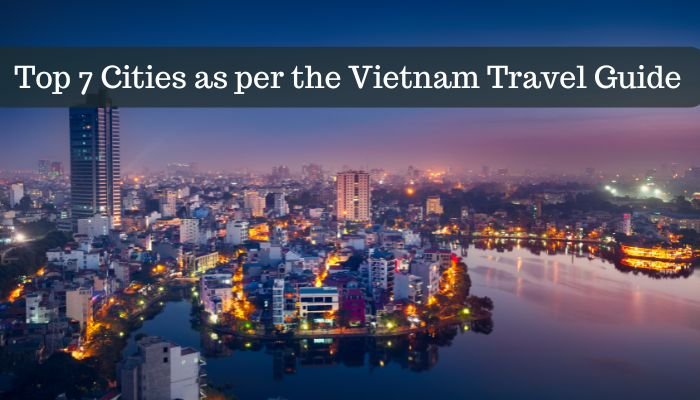
Vietnam’s cities are a fascinating mix of history, culture and modernity. Let us have a look at the top 7 cities to explore:
1. Hanoi: Strolling through the capital city is always interesting, as currents from the past and present swirl together. Visitors can explore the Old Quarter, the Ho Chi Minh Mausoleum, the Temple of Literature and many other landmarks that make Hanoi a wonderful cradle of history and culture.
2. Ho Chi Minh City (Saigon): The largest city in Vietnam is full of life and nightlife, packed with historic sites such as the War Remnants Museum and the Central Post Office, and overflowing with local food culture.
3. Da Nang: This coastal city is home to amazing beaches such as My Khe. It also serves as the gateway for visitors heading to Hoi An and the ancient capital, Hue. The Marble Mountains, the Dragon Bridge (which breathes fire on weekend nights) and the Golden Bridge are must-visits.
4. Hue: The former imperial capital carries vast history within its citadel walls, royal tombs and pagodas, making it a city steeped in royal heritage.
5. Hoi An: This town is a UNESCO World Heritage Site with an incredibly well-preserved ancient quarter, lantern-lit streets and traditional crafts. Its legendary local food scene makes it just what any food lover will want.
6. Nha Trang: This coastal city is really beautiful, with long beaches and great diving spots. Nha Trang is a mix of relaxation and adventure. You can go island hopping, unwind in mud baths or enjoy the lively nightlife.
7. Can Tho: Located in the Mekong Delta region, Can Tho is famous for its floating markets, such as Cai Rang, its river cruises and its lush greenery. It is the heart of the region and offers a glimpse of life lived on the water.
Bonus Cities to Explore:
- Da Lat: A cool hill city with pine forests, flower gardens, waterfalls and French colonial villas, perfect as a summer escape.
- Quy Nhon: An emerging beach city with uncrowded bays, fresh seafood and ancient Cham towers.
- Ninh Binh: A small city surrounded by limestone landscapes, pagodas and boat rides, ideal for nature lovers.
Suggested 10-Day Vietnam Itinerary
Here is a well-paced itinerary that covers the north, centre and south of Vietnam for first-time visitors:
| Day | Destination | Highlights |
|---|---|---|
| Day 1 | Hanoi | Old Quarter walk, Hoan Kiem Lake, water puppet show, egg coffee |
| Day 2 | Hanoi / Ninh Binh | Temple of Literature in the morning or a day trip to Trang An and Tam Coc |
| Day 3–4 | Halong Bay | Overnight cruise, kayaking, cave visits, sunrise on deck |
| Day 5 | Da Nang | Fly to Da Nang, Ba Na Hills and the Golden Bridge |
| Day 6 | Hue | Day trip to the Imperial City and royal tombs |
| Day 7 | Hoi An | Ancient Town, lantern-lit evening, cooking class |
| Day 8 | Ho Chi Minh City | Fly to Saigon, War Remnants Museum, Ben Thanh Market, street food |
| Day 9 | Cu Chi Tunnels | Morning tunnel tour, evening at the book street and rooftop bars |
| Day 10 | Mekong Delta | Day trip to floating markets and river villages, depart |
Short on time? In 7 days, cover Hanoi (2 days), Halong Bay (1 night) and Da Nang–Hoi An (3 days). With more time, add Sa Pa in the north or 3–4 days of beach time in Phu Quoc.
Vietnam Travel Essentials for Indian Travellers
Visa: Indian passport holders need a visa to visit Vietnam. The easiest option is the e-visa, applied for online through the official Vietnam immigration portal. It allows stays of up to 90 days with single or multiple entry, and processing usually takes 3–5 working days. Always use the official government website and check the latest fees and rules before applying.
Flights: Direct flights connect several Indian cities, including Delhi, Mumbai, Kolkata, Bengaluru and Kochi, to Hanoi, Ho Chi Minh City, Da Nang and Phu Quoc. Airlines such as VietJet, Vietnam Airlines and IndiGo operate these routes, with flight times of roughly 4–6 hours.
Getting Around: Domestic flights are the fastest way to cover long distances. The Reunification Express train between Hanoi and Ho Chi Minh City is a scenic alternative, and sleeper buses are the budget option. In cities, ride-hailing apps such as Grab make getting around easy and safe.
Money and SIM: Carry some US dollars to exchange locally, as rupees are hard to exchange in Vietnam. ATMs and card payments are common in cities, but keep cash for street food and markets. Buy a local SIM or eSIM at the airport for affordable data.
Estimated Daily Budget (Per Person):
| Travel Style | Approx. Cost per Day | What It Covers |
|---|---|---|
| Budget | ₹2,500–4,000 | Hostels or guesthouses, street food, buses |
| Mid-range | ₹6,000–10,000 | 3–4 star hotels, restaurants, guided tours |
| Luxury | ₹15,000 and above | 5-star resorts, premium cruises, private transfers |
Note: Costs are indicative and exclude international flights. A bowl of pho typically costs around 40,000–70,000 VND, while a banh mi costs around 20,000–40,000 VND.
Quick Travel Tips:
- Cross roads slowly and steadily. Motorbike traffic flows around you, so avoid sudden stops or running.
- Dress modestly, covering shoulders and knees, when visiting temples and pagodas.
- Bargaining is normal in markets but not in restaurants or malls.
- Get comprehensive travel insurance, especially if you plan treks, motorbike rides or caving.
- Download Grab and an offline map before you land.
Frequently Asked Questions (FAQs) About Travelling to Vietnam
1. What is the best time to visit Vietnam?
The best time to visit Vietnam overall is March–April and September–November. For the central coast (Hoi An, Hue, Da Nang), February to August is ideal, while the south and Phu Quoc are best from November to April.
2. Do Indians need a visa for Vietnam?
Yes. Indian citizens need a visa, and the simplest option is the e-visa, applied for online, which allows stays of up to 90 days.
3. How many days are enough for Vietnam?
Seven days are enough to cover Hanoi, Halong Bay and Hoi An. Ten to fourteen days let you explore the north, centre and south comfortably.
4. Is Vietnam expensive for Indian tourists?
No. Vietnam is one of the most affordable international destinations from India. A mid-range trip costs roughly ₹6,000–10,000 per person per day, excluding flights.
5. Is vegetarian food easily available in Vietnam?
Yes. Look for “chay” (vegetarian) restaurants, and you will find Indian restaurants in all major tourist cities.
6. Why is Vietnam called the country of coffee and literature?
Vietnam is the world’s second-largest coffee producer and has a deep-rooted café culture. It also has a long literary tradition, from Hanoi’s Temple of Literature, home to the country’s first university, to classic works such as The Tale of Kieu.
7. Is Vietnam safe for tourists?
Yes, Vietnam is generally safe for tourists, including solo and women travellers. Stay alert to petty theft such as bag snatching in busy areas and use registered taxis or ride-hailing apps.
8. Which is better for a first trip, North or South Vietnam?
If you love history, mountains and Halong Bay, start in the north. If you prefer beaches, food and a buzzing city vibe, start in the south. With 10 days or more, you can comfortably do both.
Have fun with this in-depth Vietnam Travel Guide as you go on an adventure to a land of coffee, culture and wisdom.
ALSO READ: 6 American Cities to Visit This Year to Elevate Your Travelling Experience