 CHAT WITH US NOW!

Know the most popular Indian trekking locations and get in-depth details about trek selection, tentative budget, planning and preparation, permits, safety, local experiences you must consider, trekking package booking, and more.
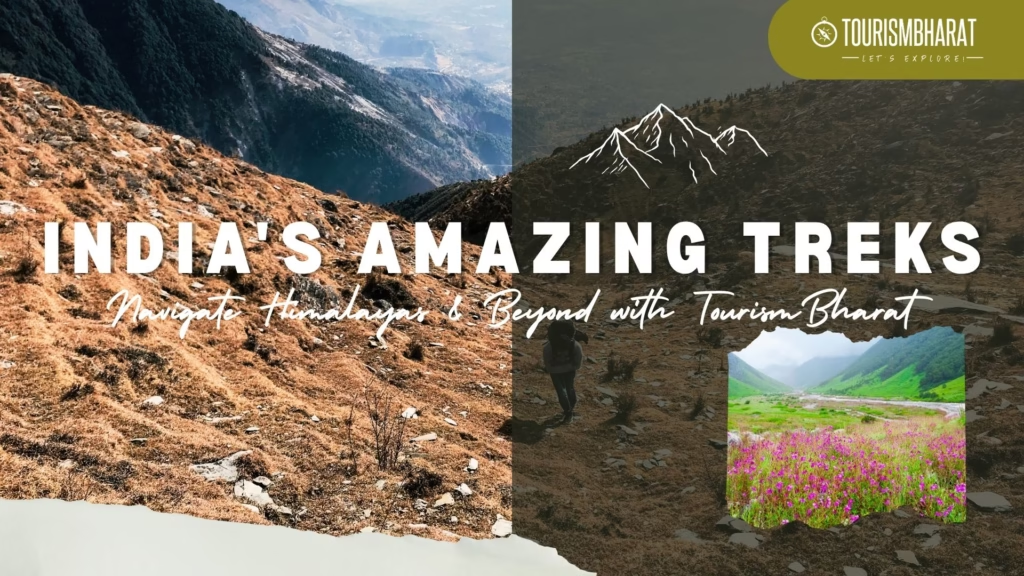
India, a land where ancient wisdom meets untamed wilderness, offers a tapestry of trekking expeditions unlike any other. From the towering, snow-capped peaks of the Himalayas to the lush, mist-shrouded trails of the Western Ghats and the serene, spiritual paths of the Nilgiris, this subcontinent is a trekker’s paradise. At Tourism Bharat, we invite you to get on a journey of discovery, push your limits, and immerse yourself in breathtaking landscapes and vibrant cultures. Our meticulously curated expeditions promise not just a physical adventure, but a profound connection with nature and the soul of India.
Choosing Your Trekking Expedition: A Comprehensive Guide
Choosing the right trekking expedition in India depends on your experience, desired challenge, and the season. Consider difficulty (beginner to expert), duration (days to weeks), and budget (₹15,000-₹35,000 for a 7-day guided trip). India offers diverse terrain from Himalayan high-altitude routes to forest trails, each with unique seasonal appeal, ensuring a perfect adventure for every type of explorer.
A trekking journey in India requires careful planning to ensure a rewarding, safe experience. Understanding the nuances of difficulty, duration, ideal seasons, and budget will help you select the perfect adventure.
Difficulty Levels
- Easy: Well-defined paths, moderate altitude (below 3,500m), shorter duration (2-4 days). Ideal for beginners, families with children, or those seeking a leisurely walk. Examples: Triund, Valley of Flowers.
- Moderate: Longer routes (5-8 days), varied terrain including ascents/descents, moderate altitudes (3,500m-4,500m). Requires good physical fitness and some prior trekking experience. Examples: Hampta Pass, Kedarkantha.
- Challenging/Difficult: High altitude (above 4,500m), steep ascents, remote areas, potentially difficult weather conditions. Requires excellent physical conditioning, mental fortitude, and prior high-altitude experience. Examples: Roopkund, Stok Kangri, Chadar Trek.
Duration and Ideal Season by Region
India’s diverse geography means ideal trekking seasons vary significantly by region. Planning your trek during the optimal window is important for safety and enjoyment.
- Himalayas (Northern India – Ladakh, Uttarakhand, Himachal, Sikkim):
- Spring (April – May): Rhododendrons bloom in Uttarakhand and Sikkim. Clear weather, moderate temperatures, snow receding at lower altitudes.
- Summer (June – September): High-altitude treks in Ladakh and Spiti become accessible. Post-monsoon, the Valley of Flowers is spectacular in July-August.
- Autumn (September – November): Widely considered the best time for most Himalayan treks. Stable weather, clear skies, crisp air, and vibrant autumn foliage. Perfect for routes like Annapurna Base Camp (Nepal, but indicative of Himalayan conditions), Hampta Pass, Kedarkantha.
- Winter (December – March): Challenging snow treks like Kedarkantha, Chadar Trek. Requires specialised gear and experience.
- Western Ghats (South-Western India – Maharashtra, Karnataka, Kerala):
- Monsoon (June – September): Transforms the Western Ghats into a lush, emerald paradise. Ideal for waterfall treks and exploring biodiversity. Examples: Chembra Peak, Dudhsagar Waterfall Trek. Expect leeches and slippery trails.
- Post-Monsoon (October – February): Pleasant weather, green landscapes, less rain. Excellent for treks like Kumara Parvata, Kodachadri.
- Eastern Himalayas (North-East India – Arunachal Pradesh):
- Autumn (October – November): Best for clear views and stable weather.
- Spring (March – April): Rhododendron blooms.
Seasonal & Weather Matrix for Trekking in India
| Region/Trek Type | Best Months | Typical Temperature | Rainfall | Crowd Levels |
|---|---|---|---|---|
| Himalayan High Altitude (e.g., Ladakh) | June – September | 5°C to 20°C (day) / -5°C to 5°C (night) | Minimal | Moderate to High |
| Himalayan Mid-Altitude (e.g., Uttarakhand, Himachal) | April – June, September – November | 10°C to 25°C (day) / 0°C to 10°C (night) | Moderate (Monsoon), Low (Spring/Autumn) | High (Peak Season) |
| Western Ghats (Monsoon Treks) | June – September | 20°C to 30°C | High | Moderate |
| Western Ghats (Post-Monsoon) | October – February | 15°C to 25°C | Low | Moderate |
| Winter Snow Treks (Himalayas) | December – March | -10°C to 10°C (day) / -20°C to 0°C (night) | Snowfall | Low to Moderate (Specialised Treks) |
Budget Considerations: Understanding Costs
A 7-day guided trekking expedition in India typically ranges from ₹15,000 to ₹35,000 per person. This usually covers guide services, porters, permits, food, and basic tented accommodation. Exclusions often include personal gear, travel to and from the trailhead, and any emergency expenses. Costs vary by trek difficulty, region, and inclusions. For independent trekkers, costs involve permits, food supplies, local transport, and potentially renting equipment. TourismBharat offers transparent pricing and detailed breakdowns for all packages.
Budget & Category Breakdown (Per Person, Per Day)
| Category | Estimated Cost (INR) | Estimated Cost (USD) | Services Included (Typical) |
|---|---|---|---|
| Budget Trekking | ₹1,500 – ₹2,500 | $18 – $30 | Basic shared accommodation (tents/dorm), simple meals, local guide (shared), basic permits. |
| Mid-Range Expedition | ₹2,500 – ₹5,000 | $30 – $60 | Comfortable tented camps, varied meals, experienced guide, porters, all permits, some gear. |
| Luxury/Bespoke Trek | ₹5,000 – ₹10,000+ | $60 – $120+ | Premium campsites/guesthouses, gourmet meals, highly certified lead guide, personal porter, satellite phone, comprehensive insurance, pre/post-trek hotel stays. |
Featured Trekking Expeditions in India
India’s landscape is dotted with countless trekking trails, each offering a unique narrative. Here are some of our top recommendations, catering to various skill levels and preferences.
1. Triund Trek, Himachal Pradesh (Beginner-Friendly)
Overview: A perfect weekend trek offering spectacular views of the Dhauladhar range and Kangra Valley. It’s short, relatively easy, and rewards you with stunning natural beauty. For beginners, treks like Triund (Himachal Pradesh) offer achievable challenges with moderate altitudes and clear trails, making them ideal for a first high-altitude experience.
- Highlights: Majestic Dhauladhar views, lush rhododendron and oak forests, charming local cafes, starry nights at the summit.
- Itinerary (Typical 2 Days/1 Night):
- Day 1: Drive to Galu Temple (near McLeod Ganj). Trek 3-4 hours to Triund. Overnight in tents/guesthouse.
- Day 2: Sunrise views, trek back down to Galu Temple or Bhagsunag.
- Permits: No specific permits required, but a nominal forest entry fee (₹50-₹100) might be collected by local authorities at checkpoints.
- How to Reach:
- Major Hub: Dharamshala/McLeod Ganj.
- Local Transport: From McLeod Ganj, take a local bus or shared jeep (₹50-₹150) to Galu Temple or Bhagsunag. Private taxis are also available (₹300-₹500).
- Estimated Cost: ₹2,500 – ₹5,000 per person (guided, including basic stay and meals).
- Best Time: March-June and September-December. Avoid monsoon (July-August) due to slippery trails.
- Pre/Post-Trek Accommodation: McLeod Ganj offers a wide range from budget guesthouses (₹500-₹1500) to mid-range hotels (₹2000-₹4000) and boutique stays (₹5000+). Consider options like Hotel Bhagsu or The Pause for comfort.
2. Valley of Flowers & Hemkund Sahib Trek, Uttarakhand (Moderate)
Overview: A UNESCO World Heritage Site, famous for its vibrant alpine meadows teeming with endemic flowers. Combined with a pilgrimage to Hemkund Sahib Gurudwara at a high-altitude glacial lake.
- Highlights: Thousands of floral species (July-August), pristine glacial lake, panoramic mountain views, spiritual serenity.
- Itinerary (Typical 6 Days/5 Nights):
- Day 1: Drive Haridwar/Rishikesh to Govindghat.
- Day 2: Govindghat to Ghangaria (trek/pony/helicopter).
- Day 3: Trek to Valley of Flowers, return to Ghangaria.
- Day 4: Trek to Hemkund Sahib, return to Ghangaria.
- Day 5: Ghangaria to Govindghat, drive to Joshimath.
- Day 6: Drive Joshimath to Haridwar/Rishikesh.
- Permits: Forest Department Permit required for Valley of Flowers National Park (₹150 for Indians, ₹600 for foreigners, valid for 3 days). Apply at the Ghangaria forest checkpost. Carry ID proof.
- How to Reach:
- Major Hub: Rishikesh or Haridwar.
- Local Transport: From Rishikesh/Haridwar, shared jeeps (Bolero/Maxx) or local buses (₹500-₹800) depart early in the morning for Govindghat (10-12 hours). Private taxis cost ₹6,000-₹9,000.
- Estimated Cost: ₹10,000 – ₹20,000 per person (guided, including basic stay, meals, and transport).
- Best Time: July-August for peak bloom, September for clear views with fewer flowers.
- Pre/Post-Trek Accommodation: Govindghat has basic guesthouses (₹500-₹1000). Joshimath offers slightly better options (₹1000-₹3000). Rishikesh/Haridwar have abundant hotels from budget to luxury.
3. Hampta Pass Trek, Himachal Pradesh (Moderate to Challenging)
Overview: A spectacular cross-over trek connecting the lush Kullu Valley to the stark, arid landscapes of Lahaul. Known for dramatic changes in scenery.
- Highlights: Lush green valleys, glacial valleys, deep pine forests, Chandratal Lake, crossing a high-altitude pass (4,270m).
- Itinerary (Typical 5 Days/4 Nights):
- Day 1: Drive Manali to Jobra, trek to Chika.
- Day 2: Chika to Balu Ka Ghera.
- Day 3: Balu Ka Ghera to Shea Goru via Hampta Pass.
- Day 4: Shea Goru to Chatru, drive to Chandratal Lake.
- Day 5: Chandratal to Manali.
- Permits: Himachal Forest Department permit (approx. ₹500-₹800 per person) for entry into the National Park area. Easily obtainable through local tour operators or at designated forest offices in Manali.
- How to Reach:
- Major Hub: Manali.
- Local Transport: From Manali, shared jeeps or private taxis (₹1,500-₹2,500) go to Jobra (trek starting point). Shared taxis also connect Chatru to Manali/Kaza.
- Estimated Cost: ₹12,000 – ₹25,000 per person (guided, all-inclusive from Manali).
- Best Time: Mid-June to October.
- Pre/Post-Trek Accommodation: Manali offers a vast array from budget hostels (₹400) to luxury resorts (₹10,000+). Consider options in Old Manali for a backpacker vibe or Manali town for more amenities.
4. Chadar Trek, Ladakh (Difficult – Winter Exclusive)
Overview: A unique and challenging winter trek across the frozen Zanskar River. It’s an unparalleled experience walking on a sheet of ice, surrounded by frozen waterfalls and towering cliffs.
- Highlights: Walking on the frozen Zanskar, stunning frozen waterfalls, interacting with local Zanskari people, extreme winter adventure.
- Itinerary (Typical 9 Days/8 Nights):
- Day 1: Arrive in Leh (acclimatisation).
- Day 2: Leh (acclimatisation, medical check).
- Day 3: Leh to Chilling (drive), trek to Tilad Do.
- Day 4: Tilad Do to Gyalpo.
- Day 5: Gyalpo to Tibb Cave.
- Day 6: Tibb Cave to Naerak Pullar.
- Day 7: Naerak Pullar to Tibb Cave.
- Day 8: Tibb Cave to Gyalpo to Leh.
- Day 9: Depart Leh.
- Permits: Inner Line Permit (ILP) is mandatory for Indian nationals to visit certain restricted areas in Ladakh, including the Chadar trek route. Foreigners require a Protected Area Permit (PAP). These are issued by the District Magistrate’s office in Leh. Applications are typically submitted through a registered local trekking agency. Lead time: 1-2 days in Leh. Required documents: Photo ID, address proof. Additionally, there’s a Wildlife Protection Fee (₹300 for Indians, ₹500 for foreigners) and an environmental fee.
- How to Reach:
- Major Hub: Leh (Ladakh).
- Local Transport: From Leh, shared jeeps (approx. ₹1,000-₹2,000 per person, round trip) or private taxis (₹8,000-₹12,000) take you to Chilling (the trek starting point), subject to road conditions.
- Estimated Cost: ₹25,000 – ₹50,000 per person (guided, all-inclusive from Leh, given the specialised nature).
- Best Time: Mid-January to end of February.
- Pre/Post-Trek Accommodation: Leh offers winter-specific guesthouses and hotels (₹1,500-₹5,000+). Ensure heating and hot water facilities. Consider Hotel Ladakh Palace or The Grand Dragon for comfort.
5. Goecha La Trek, Sikkim (Challenging) – A Lesser-Known Gem
Overview: Leading to the viewpoint of Mt. Kanchenjunga, the third-highest peak in the world. This trek offers unparalleled views, rich biodiversity, and a true wilderness experience. While challenging, parts of the trail can be considered for very fit beginners, especially up to the base camp, before the final ascent.
- Highlights: Panoramic views of Kanchenjunga and other Himalayan giants, Samiti Lake, diverse rhododendron forests, pristine Himalayan wilderness.
- Itinerary (Typical 11 Days/10 Nights):
- Day 1: Arrive in NJP/Bagdogra, drive to Yuksom.
- Day 2: Yuksom to Sachen.
- Day 3: Sachen to Tshoka.
- Day 4: Tshoka to Dzongri.
- Day 5: Dzongri La sunrise, trek to Thansing.
- Day 6: Thansing to Lamuney.
- Day 7: Lamuney to Goecha La (viewpoint 1/2), return to Kokchurang.
- Day 8: Kokchurang to Tshoka.
- Day 9: Tshoka to Yuksom.
- Day 10: Drive Yuksom to Gangtok.
- Day 11: Depart.
- Permits: Mandatory Restricted Area Permit (RAP) for foreign nationals and Protected Area Permit (PAP) for Indian nationals to enter Sikkim. Additionally, a Kanchenjunga National Park Permit is required. These are typically arranged by registered tour operators in Gangtok or Yuksom. Documents: Passport/ID, recent photographs, itinerary. Lead time: 2-3 working days.
- How to Reach:
- Major Hub: Yuksom (West Sikkim).
- Local Transport: From Bagdogra Airport (Siliguri) or NJP Railway Station, shared taxis (₹300-₹500 per person) are available for Gangtok or Jorethang. From there, take another shared taxi (₹200-₹400) to Yuksom. Private taxis from Siliguri to Yuksom cost around ₹3,500-₹5,000.
- Estimated Cost: ₹25,000 – ₹45,000 per person (guided, all-inclusive from Yuksom).
- Best Time: April-May (Rhododendron bloom) and October-November (clear views).
- Pre/Post-Trek Accommodation: Yuksom has charming homestays and basic guesthouses (₹800-₹2000). Consider Hotel Demazong or Limboo Homestay. Gangtok offers a wide range of hotels.
Planning & Preparation: Your Pre-Trek Checklist
Thorough pre-trek preparation is vital for a safe and enjoyable expedition. This includes physical conditioning (cardio, strength training for 4-6 weeks), mental readiness, and a comprehensive gear checklist tailored to your trek’s difficulty and season. Crucially, understand altitude sickness prevention – ascend gradually, stay hydrated, and recognize symptoms for immediate action.
Success on the trail begins long before you set foot on it. Proper physical, mental, and logistical preparation is paramount.
Physical & Mental Fitness
For beginners, a month of light cardio and daily walking is recommended for preparation. For more strenuous treks, dedicate 4-6 weeks to build stamina and strength. Focus on:
- Cardiovascular Fitness: Regular brisk walking, jogging, cycling, swimming (30-60 minutes, 3-4 times a week).
- Strength Training: Focus on legs, core, and back. Lunges, squats, planks, and calf raises are beneficial.
- Flexibility: Stretching exercises to prevent muscle soreness and injury.
- Practice Hikes: If possible, go for shorter day hikes with a loaded backpack to get accustomed to the weight and terrain.
- Mental Fortitude: Trekking can be challenging. Cultivate a positive attitude, resilience, and the ability to adapt to unforeseen circumstances.
Essential Gear Checklist
Your gear list will vary significantly based on the trek’s difficulty, duration, and season. Always prioritise layers, protection from the elements, and comfort.
Basic (Easy/Moderate Treks, e.g., Triund, Valley of Flowers – Spring/Autumn)
- Footwear: Waterproof hiking boots (worn-in), comfortable camp shoes/sandals.
- Clothing:
- Layers: Base layer (quick-dry), fleece/insulating layer, waterproof and windproof outer shell jacket and pants.
- Trekking pants, T-shirts (quick-dry), wool socks (2-3 pairs).
- Headwear: Sun hat/cap, woollen hat/beanie.
- Other: Small backpack (30-40L), water bottles/hydration bladder, headlamp/flashlight with extra batteries, sunglasses, sunscreen, basic first-aid kit, personal toiletries, power bank, trekking poles (optional but recommended).
Advanced (Challenging/High-Altitude Treks, e.g., Hampta Pass, Goecha La – Autumn/Winter)
- All basic gear, plus:
- Footwear: Sturdier, insulated, high-ankle waterproof trekking boots.
- Clothing:
- Heavier down jacket/parka.
- Thermal innerwear (extra pairs).
- Waterproof gloves/mittens.
- Gaiters (for snow/mud).
- Sleeping: 4-season sleeping bag (if not provided by operator), sleeping mat.
- Other: Larger backpack (50-65L), crampons/microspikes (for snow/ice, especially for Chadar), avalanche safety gear (if guided trek in high-risk areas), high-energy snacks, water purification tablets/filter.
Rental vs. Purchase: For first-timers or infrequent trekkers, renting expensive items like high-quality sleeping bags, down jackets, and trekking poles is a cost-effective option. Many trekking operators and shops in major cities or base camps (e.g., Manali, Leh, Rishikesh) offer rentals. For items like hiking boots and base layers, purchasing is recommended for hygiene and comfort, as well-fitting boots are crucial to prevent blisters.
Altitude Sickness: Prevention & Management
How can I prevent altitude sickness on a high-altitude trek in India? To prevent altitude sickness, ascend gradually (‘climb high, sleep low’). Stay well-hydrated with water, avoiding alcohol and excessive caffeine. Maintain a slow, steady pace, and take rest days. Consider consulting a doctor about Diamox. Listen to your body and descend immediately if severe symptoms like persistent headache, nausea, or dizziness worsen.
- Acute Mountain Sickness (AMS): Common at altitudes above 2,500m. Symptoms include headache, nausea, dizziness, fatigue, loss of appetite, and disturbed sleep. These are usually mild and resolve with rest and acclimatisation.
- High Altitude Cerebral Edema (HACE): A severe form of AMS where fluid leaks into the brain. Symptoms include severe headache, confusion, ataxia (loss of coordination), irrational behaviour, and altered consciousness.
- High Altitude Pulmonary Edema (HAPE): A severe form of AMS where fluid collects in the lungs. Symptoms include persistent dry cough, shortness of breath even at rest, chest tightness, and rapid heart rate.
Prevention Strategies:
- Gradual Ascent: The most critical factor. Aim for no more than 300-500 meters of altitude gain per day above 3,000m.
- Acclimatisation Days: Include rest days in your itinerary, especially after significant altitude gains.
- Hydration: Drink 3-4 litres of water daily. Avoid alcohol, caffeine, and smoking.
- Slow Pace: “Go high, sleep low” – if possible, ascend to a higher point during the day and return to a lower altitude for sleeping.
- Diet: Eat a carbohydrate-rich diet. Avoid heavy, fatty foods.
- Medication: Consult your doctor about prophylactic medications like Acetazolamide (Diamox) if you have a history of AMS or are on a rapid ascent itinerary.
- Listen to Your Body: Do not ignore any symptoms. Report them immediately to your guide.
Emergency Procedures & Medical Facilities:
- Immediate Descent: The only definitive treatment for severe altitude sickness (HACE/HAPE) is immediate descent to lower altitude.
- Medication: Dexamethasone for HACE, Nifedipine for HAPE (under medical supervision only).
- Oxygen: Supplemental oxygen can provide temporary relief.
- Nearest Medical Facilities: While remote treks may lack immediate medical facilities, most major trekking regions have medical posts or basic hospitals in larger towns (e.g., Leh in Ladakh, Manali/Dharamshala in Himachal, Joshimath/Uttarkashi in Uttarakhand, Gangtok in Sikkim). Trekking agencies often carry basic medical kits and know emergency evacuation protocols.
Permits, Safety & Responsible Trekking
Trekking in India requires various permits depending on the region. For Ladakh, inner line permits are necessary for certain areas. Uttarakhand and Himachal Pradesh often require forest or national park entry fees. Sikkim and Arunachal Pradesh necessitate Restricted Area Permits. Always check state tourism websites or inquire with local operators; some permits require local agency assistance and advance application. Adhere to ‘Leave No Trace’ principles and cultural etiquette.
Navigating the permit system and ensuring safety are crucial aspects of planning a successful trekking expedition in India. Responsible trekking also plays a vital role in preserving these pristine environments.
Detailed Permit Application Process for Specific Regions
Permits vary significantly across regions, primarily to regulate tourism in ecologically sensitive or strategically important border areas.
- Ladakh (J&K/UT): Inner Line Permit (ILP)
- Applicability: Mandatory for Indian nationals to visit restricted areas like Nubra Valley, Pangong Tso, Tso Moriri, and some trekking routes (e.g., Markha Valley, Chadar Trek). Foreigners require a Protected Area Permit (PAP).
- Required Documents: Valid ID proof (Aadhaar, Passport), address proof, passport-sized photographs.
- Application Process:
- Online: For specific regions, ILP can be applied for online via the Leh DC office website (https://lahdcleh.in/innerlinepermit/).
- Offline: Can be obtained in person from the District Magistrate’s office in Leh, typically with assistance from a local registered travel agent.
- Lead Times: Online applications can take 1-2 days. Offline applications are usually processed within a few hours to one business day. It’s advisable to factor in 1-2 buffer days in Leh for this.
- Cost: Varies by duration and number of restricted areas, typically ₹400-₹600 for environmental fees + Red Cross fund + wildlife fee per person for a week.
- Uttarakhand & Himachal Pradesh (Forest/National Park Permits)
- Applicability: For treks passing through National Parks, Wildlife Sanctuaries, or Reserved Forest areas (e.g., Valley of Flowers, Nanda Devi Biosphere, Hampta Pass, Kedarkantha).
- Required Documents: Valid ID proof.
- Application Process:
- Usually obtained at the entry checkpost of the park/sanctuary (e.g., Ghangaria for Valley of Flowers, Manali Forest Office for Hampta Pass).
- Many local trekking agencies will arrange this for you as part of the package.
- Lead Times: Generally immediate, upon arrival at the checkpost.
- Cost: Varies from ₹100-₹800 for Indians and ₹300-₹1500 for foreigners, depending on the park and duration.
- Sikkim & Arunachal Pradesh (Restricted/Protected Area Permits – RAP/PAP)
- Applicability: Mandatory for all tourists (Indian and foreign) to enter Sikkim and Arunachal Pradesh due to their border locations. Specific trekking routes (e.g., Goecha La in Sikkim) will require additional permits from the Forest Department.
- Required Documents: Valid photo ID, address proof, passport and visa for foreigners, recent passport-sized photographs.
- Application Process:
- For Sikkim, it can be obtained from designated offices in Siliguri, Bagdogra, Rangpo, Melli, Darjeeling, or through registered travel agents in Gangtok.
- For Arunachal Pradesh, issued by the Ministry of Home Affairs, Government of India, or designated authorities. Often best handled by local tour operators.
- Lead Times: 2-3 working days for Sikkim; Arunachal Pradesh can take longer (weeks) depending on nationality and complexity.
- Cost: Varies, generally included in package costs.
Always verify the latest permit requirements and fees closer to your travel date, as regulations can change. TourismBharat.com’s trekking specialists provide up-to-date guidance and assist with permit applications for all our treks.
Safety Guidelines & Emergency Contacts
- Travel Insurance: Comprehensive travel insurance covering high-altitude trekking, medical emergencies, and evacuation is highly recommended.
- Emergency Contacts:
- India Emergency Number: 112 (general emergency)
- Police: 100, Ambulance: 102, Fire: 101
- Your trekking operator’s emergency contact, local guide’s number.
- Family/friends at home aware of your itinerary.
- Stay with Group: Never trek alone, especially in remote areas. Always follow your guide’s instructions.
- Weather Monitoring: Be aware of changing weather conditions and prepare for sudden shifts.
- Communication: Carry a fully charged mobile phone and power bank. Consider a satellite phone for extremely remote expeditions.
Culturally Sensitive Trekking Tips
India is a land of diverse cultures and traditions. Showing respect to local communities enhances your experience and promotes positive interactions.
- Appropriate Attire: While trekking, comfortable and modest clothing is advisable. When passing through villages or visiting religious sites, cover your shoulders and knees. Avoid revealing clothing out of respect for local customs. For women, carrying a scarf or shawl is often useful.
- Interaction Etiquette:
- Greetings: A polite “Namaste” (Hindi) or “Julley” (Ladakhi) is always appreciated.
- Photography: Always ask for permission before taking photos of people, especially children, or religious ceremonies. Respect their decision if they decline.
- Gifts: Avoid distributing candy or money to children, as it can foster begging. If you wish to contribute, consider donating to local schools or community projects.
- Local Customs: Remove your shoes before entering homes, temples, or monasteries. Walk clockwise around stupas and prayer flags. Avoid public displays of affection.
- Bargaining: In local markets, polite bargaining is common, but be fair and respectful.
- Respect for Elders: Show deference to elders in the community.
- Tribal/Rural Communities: Some regions host specific tribal communities (e.g., Lahaul-Spiti, parts of Northeast). Research their unique customs beforehand or ask your local guide for advice. Generally, a respectful, open, and non-intrusive attitude goes a long way.
‘Leave No Trace’ Principles
As adventurers, it is our collective responsibility to minimise our impact on India’s fragile ecosystems.
- Plan Ahead & Prepare: Know the regulations and special concerns for the area you’ll visit.
- Travel & Camp on Durable Surfaces: Stick to existing trails and campsites.
- Dispose of Waste Properly: Pack it in, pack it out – including all trash, food scraps, and toilet paper. Use designated toilets or dig cat holes away from water sources.
- Leave What You Find: Preserve the past and present. Leave rocks, plants, and other natural objects as you find them.
- Minimise Campfire Impacts: Use established fire rings or portable stoves. Never leave a fire unattended.
- Respect Wildlife: Observe wildlife from a distance. Never feed animals.
- Be Considerate of Other Visitors: Respect other trekkers and the quality of their experience. Yield to others on the trail.
Beyond the Trail: Cultural Immersion & Local Experiences
Trekking in India is more than just trails; it’s an opportunity for deep cultural immersion. Engage with vibrant village life, savor authentic local cuisine, and witness traditional festivals that bring communities to life. From homestays to local workshops, these experiences enrich your journey, offering a genuine glimpse into the diverse heritage of the regions you explore.
A trekking expedition with TourismBharat isn’t just about conquering peaks; it’s about connecting with the soul of India. The paths you traverse often lead through remote villages, offering invaluable opportunities for cultural exchange.
Engaging with Villages and Local Life
- Homestays: Many trekking regions, especially in Himachal Pradesh, Uttarakhand, and Sikkim, offer village homestays. This provides an authentic glimpse into local life, traditions, and cuisine, fostering direct interaction with families.
- Local Markets: Explore the vibrant local markets in base towns like Manali, Leh, or Gangtok, where you can find handcrafted souvenirs, local produce, and traditional garments.
- Monasteries & Temples: Many Himalayan treks pass ancient Buddhist monasteries or Hindu temples. Take time to visit, observe, and learn about the spiritual practices of the region.
Savouring Local Cuisine
Each region boasts its unique culinary delights. Don’t miss the chance to try:
- Himachal: Siddu (steamed bread with filling), Dham (traditional feast), Chha Gosht (lamb in yoghurt gravy).
- Uttarakhand: Aloo Ke Gutke (spiced potatoes), Kumaoni Raita, Garhwali Phaanu (lentil dish).
- Ladakh: Thukpa (noodle soup), Momos (dumplings), Tingmo (steamed bread), Butter Tea.
- Sikkim: Phagshapa (pork with radish), Gundruk (fermented leafy greens soup), Chang (millet beer).
Experiential Add-ons & Festivals
Enhance your trekking journey with unique experiences:
- Local Village Stays: Extend your stay in a mountain village to truly unwind and learn about their way of life.
- Photography Workshops: Many operators offer specialised photography treks, perfect for capturing the stunning landscapes.
- Wildlife Spotting: Post-trek, consider a jeep safari in areas like Hemis National Park (Ladakh for snow leopards) or Great Himalayan National Park (Himachal) for wildlife encounters.
- Festivals: Time your trek to coincide with local festivals for an immersive cultural experience. Key festivals include:
- Hemis Festival (Ladakh): June/July, vibrant masked dances.
- Losar (Tibetan New Year, Ladakh/Sikkim): Feb/March, grand celebrations.
- Kullu Dussehra (Himachal): October, unique Rath Yatra procession.
- Nanda Devi Raj Jat (Uttarakhand): Quadrennial pilgrimage, grand spectacle.
Trekking with TourismBharat: Tailored Expeditions for Every Adventurer
TourismBharat.com curates trekking expeditions for every adventurer, from family-friendly routes to luxury escapes and challenging high-altitude ascents. Our unique selling propositions include certified local guides, stringent sustainable practices, 24/7 emergency support, and the flexibility to customize itineraries for solo travelers, women-only groups, corporate offsites, or specialized research-oriented treks, ensuring a truly personalized and responsible journey.
At TourismBharat, we understand that every trekker has a unique vision for their adventure. Our commitment is to provide not just a trip, but a meticulously crafted experience that aligns with your aspirations, comfort levels, and values.
Our Unique Selling Propositions (USPs)
- Certified Local Guides: Our guides are not just experienced trekkers but also certified in wilderness first aid and local culture. Their deep regional knowledge ensures safety, enriches your understanding of the landscape, and provides authentic interactions.
- Sustainable Practices: We are committed to ‘Leave No Trace’ principles, promoting eco-friendly camping, responsible waste management, and supporting local economies through fair wages and ethical sourcing. Our treks are designed to minimise environmental impact.
- 24/7 Emergency Support Infrastructure: Safety is our highest priority. We maintain robust communication channels, carry essential safety gear, and have established protocols for medical emergencies and evacuations, ensuring peace of mind throughout your journey.
- Customizable Itineraries: Your dream trek is unique. We offer a ‘build your own trek’ option, allowing you to tailor routes, duration, pace, and inclusions to your exact preferences.
Tailored Packages for Specific Demographics
We believe trekking is for everyone, which is why we offer specialised packages:
- Family Treks: Child-friendly routes with moderate altitudes, shorter daily distances, and engaging activities. Our guides ensure safety and fun for all ages.
- Senior-Specific Expeditions: Carefully chosen routes with lower altitudes, gentle gradients, comfortable accommodation, and a relaxed pace, focusing on enjoyment and cultural immersion.
- Women-Only Trekking Groups: Safe, supportive, and empowering expeditions led by experienced female guides, fostering camaraderie and confidence.
- Luxury Expeditions: Indulge in premium services, including glamping-style tented accommodations, gourmet meals prepared by professional chefs, personal porters, and satellite phone connectivity.
- Budget-Friendly Options: Experience India’s magnificent trails without breaking the bank, with well-planned itineraries that balance cost and comfort.
- Group Bookings & Corporate Offsites: Special rates and customised team-building activities for larger groups, ensuring leadership, collaboration, and adventure.
- Educational/Research-Oriented Treks: Curated expeditions for academic groups, photographers, or naturalists focusing on specific flora, fauna, geology, or cultural studies.
Commercial Booking Block: Find Your Perfect Trekking Segment with Tourism Bharat
No matter your travel style or companions, Tourism Bharat has a trekking expedition designed for you. Explore our tailored offerings:
- Couples/Honeymoon Treks: Romantic trails with stunning views, private camping options, and unique experiential add-ons like stargazing nights.
- Families with Children: Safe, engaging, and educational treks with manageable distances, experienced guides, and options for cultural interaction.
- Solo Adventurers: Join a group or opt for a custom solo journey with full logistical support, safety measures, and opportunities to connect with fellow trekkers.
- Hardcore Adventurers: Conquer the most challenging peaks and remote passes with expert guides, top-tier gear, and unparalleled support for high-altitude expeditions.
- Corporate/MICE Offsites: Boost team morale and foster leadership with customised trekking programs designed for corporate groups, blending adventure with professional development.
FAQs About Trekking in India
Q1: What permits are required for trekking in the Indian Himalayas?
Permits vary by region. For Ladakh, inner line permits are crucial for certain areas. Uttarakhand and Himachal Pradesh often require forest or national park entry fees. Sikkim and Arunachal Pradesh necessitate Restricted Area Permits. Always check state tourism websites or inquire with local operators; some permits require local agency assistance and advance application.
Q2: How much does a typical 7-day trekking expedition cost in India?
A 7-day guided trekking expedition in India typically ranges from ₹15,000 to ₹35,000 per person. This usually covers guide services, porters, permits, food, and basic tented accommodation. Exclusions often include personal gear, travel to and from the trailhead, and any emergency expenses. Costs vary by trek difficulty, region, and inclusions.
Q3: What are the best treks for beginners in India?
For beginners, treks like Triund (Himachal Pradesh), Valley of Flowers (Uttarakhand), or Goecha La base camp (Sikkim, in part) offer achievable challenges. They feature moderate altitudes (typically under 4,000m), clear trails, and often accessible support infrastructure. A month of light cardio and daily walking is recommended for preparation.
Q4: How can I prevent altitude sickness on a high-altitude trek in India?
To prevent altitude sickness, ascend gradually (‘climb high, sleep low’). Stay well-hydrated with water, avoiding alcohol and excessive caffeine. Maintain a slow, steady pace, and take rest days. Consider consulting a doctor about Diamox. Listen to your body and descend immediately if severe symptoms like persistent headache, nausea, or dizziness worsen.
Q5: Is it safe for solo female trekkers in India?
While India is generally safe, solo female trekkers should exercise caution, especially in remote areas. It’s highly recommended to join a reputable trekking agency, opt for women-only trekking groups, or trek with a trusted local guide. TourismBharat prioritises safety and offers secure options for solo female travellers.
Q6: What is the best time to trek in the Himalayas?
The ideal time is typically spring (April-May) for blooming flowers and autumn (September-November) for clear skies and pleasant weather. Winter (Dec-March) is suitable for snow treks like Chadar, while monsoon (July-August) is best avoided for most high-altitude routes, except for specific rain-shadow regions like Ladakh or the Valley of Flowers.
Q7: Can I rent trekking gear in India?
Yes, major trekking hubs like Manali, Leh, Rishikesh, and Darjeeling have shops that rent essential trekking gear such as sleeping bags, down jackets, trekking poles, and sometimes even boots. This is a cost-effective option for those who trek infrequently.
Book Your Unforgettable Trekking Expedition in India
The mountains are calling, and India’s trails await your footprints. With Tourism Bharat, you’re not just booking a trek; you’re investing in an unparalleled adventure, supported by experts who prioritise your safety, comfort, and cultural immersion. Let us be your trusted partner in exploring the majestic landscapes and rich heritage of India.
Commercial Booking Block: Seamless Transit & Logistics with TourismBharat
Your adventure starts even before the first step on the trail. Tourism Bharat ensures smooth and reliable transit and logistics for your trekking expedition:
- Flight Connectivity: We assist with booking domestic flights to major gateway airports (e.g., Delhi, Chandigarh, Srinagar, Bagdogra, Dehradun) that connect you to various trekking regions.
- Nearest Airport/Railway Stations: Get detailed information and booking assistance for reaching the closest airports (e.g., Leh, Kullu-Manali, Jolly Grant-Dehradun) or railway stations (e.g., Haridwar, NJP-Siliguri) to your trailhead.
- Vetted Cab Rentals: We partner with trusted local transport providers to arrange comfortable and safe cab rentals or shared jeeps from major city hubs directly to your trailhead starting points. Our network ensures fair pricing and experienced drivers familiar with mountain roads. Fares range from ₹500 for shared jeeps on short routes to ₹8,000-₹12,000 for private long-distance taxis.
Book your flights and ground transport seamlessly through TourismBharat.com!
Ready to answer the call of the wild?
Whether you’re a seasoned mountaineer seeking solitude on lesser-known trails or a first-timer yearning for a glimpse of the Himalayas, TourismBharat is here to craft your perfect trekking expedition. Our commitment to sustainability, local expertise, and personalised service ensures an experience that is both exhilarating and deeply enriching.
Request a customised itinerary or create one using our AI Itinerary Maker tool tailored to your dreams, or speak to a TourismBharat travel specialist today to begin planning your unforgettable journey into the heart of India’s wilderness. We also offer integrated booking services for verified hotels, flights, and essential gear rental to ensure a hassle-free adventure.