 CHAT WITH US NOW!

Read this travelogue written by traveller V. Rajesh Mohan Rao and learn about his beautiful journey from Kerala to Karnataka and Goa.

For me, travelling to Goa has never been just another holiday. It is a journey into memory.
I was born and raised in Kerala, but my family’s Konkani cultural roots have always drawn me back to Goa. My mother’s ancestral place is Mangeshi in Goa. Because of this connection, travelling to Goa with my family has always carried a meaning beyond sightseeing. Every temple, road, village and familiar Konkani name seemed to connect the present with memories of an older generation.
Over the years, my family and I have travelled through Kerala, Karnataka and Goa, visiting temples, meeting people and experiencing the food and traditions of the Konkani community. These journeys gradually became a personal way of understanding our cultural history.
Beginning the Journey in Kerala
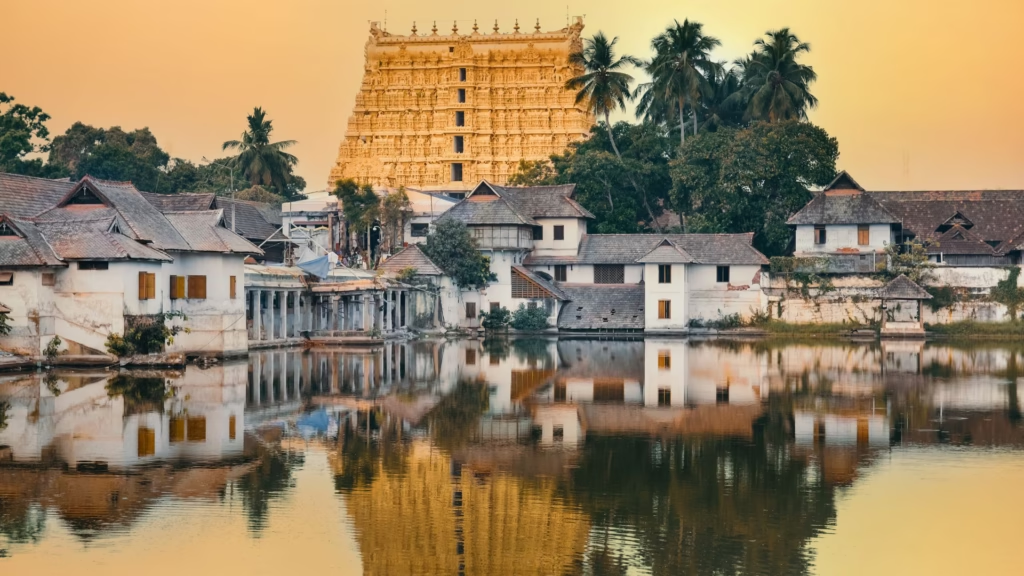
My journey often begins in and around Thalassery, where I live.
Northern Kerala itself has a long history of Konkani settlement. Some of the temples associated with Konkani communities are not merely places of worship for us; they are part of the history of families who settled in Kerala generations ago.
I have visited the Lakshmi Narasimha Swami Temple at Thalassery and the Venkataramana Temple at Thayyil, Kannur. Travelling further north, I have also experienced the cultural atmosphere around Payyanur, Kanhangad, Kasaragod and Manjeshwaram.
The Sri Lakshmi Venkataramana Temple at Kanhangad and the temples at Manjeshwaram are particularly interesting from the point of view of the Konkani cultural journey along the western coast.
At Manjeshwaram, the Sri Anantheshwara and Lakshmi Narasimha traditions reminded me once again that language and culture do not stop at state borders.
Towards Karnataka

As we travel north from Kerala, the landscape slowly changes.
The road itself becomes part of the experience. Kerala’s familiar greenery gives way to the coastal landscapes of Karnataka. Mangaluru is an important stop in this journey.
For me, Mangaluru is not simply a city to pass through. It is one of the places where the history of Konkani-speaking communities can be felt in everyday life.
From Mangaluru, travelling towards Udupi opens another chapter of the journey.
Udupi has its own distinctive religious and culinary traditions. The Sri Krishna Temple and the surrounding cultural atmosphere make the place memorable. At the same time, the coastal cuisine reminded me of how food travels with people.
Rice, coconut, vegetables and spices appear in different forms across Kerala, Karnataka and Goa. Yet each region gives them its own character.
When Travel Becomes Family Memory
One thing I have realised during these journeys is that travelling with family changes the meaning of a place.
A temple is no longer simply a monument that we photograph and leave behind. We stop, pray, talk about our elders, remember family stories and sometimes discuss the names of places and people we have heard since childhood.
Some memories cannot be recorded in a camera. They remain in conversations inside the vehicle, in the food we share after a temple visit, in the roads we travel together and in the excitement of recognising a familiar name in an unfamiliar place.
These are the memories that have made my journeys through Kerala, Karnataka and Goa special.
Goa: A Journey Towards My Roots
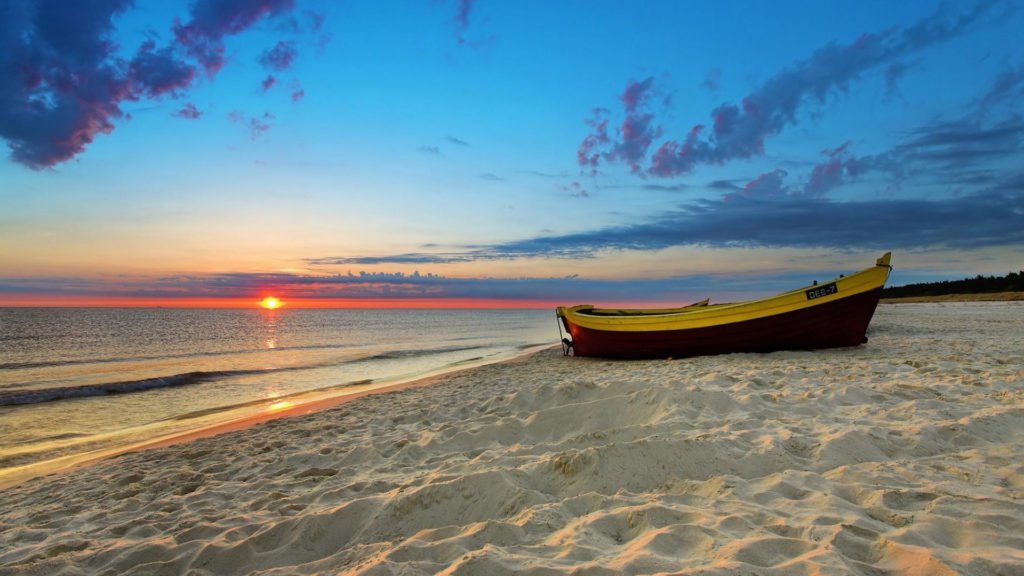
When we finally reach Goa, the feeling is different.
Goa is famous for its beaches, tourism and beautiful coastal scenery. But for me, the deeper attraction lies elsewhere.
My journey takes me towards the temples and cultural places connected with the Konkani community. Mangeshi has a special emotional significance because of my mother’s ancestral connection.
Standing in Mangeshi, I do not feel that I am visiting an entirely unfamiliar place. Instead, there is a strange sense of returning to something that belongs to an earlier generation of my family.
The Shri Mangesh Temple, with its traditional architecture and peaceful surroundings, becomes more than a tourist attraction in such a moment. It becomes a place of memory.
Exploring Goa’s Temple Heritage
Our travels in Goa have taken us to several temples and sacred places associated with the region’s cultural history.
Mahalasa, Ramnathi, Nageshi, Veling Narasimha Swami and the temple traditions of Jambavali are among the places that have remained in my memory.
Each temple has its own atmosphere. Some are surrounded by quiet village landscapes. Others are located within communities where festivals and traditional practices continue to be part of everyday life.
While travelling between these places, I began to understand that Goa cannot be described only through its beaches. Its temples, churches, traditional houses, village roads, festivals, food and languages together form a much larger cultural landscape.
The Food That Travels With Us
Food has always been an important part of my travel experiences.
The Konkani dishes I have known through family and community traditions include dalitoy, gheshi, valval, ambat, bibbya upkari, modak, saatta, surnoli and godshe.
When these are compared with Kerala’s puttu, appam and stew, parotta, idli, dosa, idiyappam and sadya, one can see both differences and connections.
Food tells us how communities adapt to new surroundings without completely losing their identity. The same basic ingredients can become different dishes in different regions. Coconut, rice and spices connect the western coast, but local traditions give each cuisine its own character. For me, tasting these foods during family gatherings and travels has been another way of experiencing our cultural heritage.
Beyond Goa
My travels have also taken me to other important places in Karnataka and Kerala, including Bengaluru and Mysuru, as well as well-known pilgrimage centres in Kerala.
Guruvayur, Sree Padmanabhaswamy Temple in Thiruvananthapuram and Sabarimala represent different dimensions of Kerala’s religious and cultural landscape. Visiting these places made me appreciate the extraordinary diversity within Kerala itself.
The journey also reminded me that cultural identity is rarely confined to one geographical location.
People move. Languages move. Food moves. Memories move.
The Konkani story along the western coast is one example of this larger Indian experience.
What These Journeys Taught Me

After travelling through these regions with my family, I began to see travel differently.
Earlier, I might have considered a journey successful if I had visited the major attractions of a destination.
Today, I look for something else.
I want to know why a particular temple exists in that place. I want to understand how a community reached there. I want to taste the local food, listen to the language and observe how old traditions continue in modern life. That is when tourism becomes cultural discovery.
Returning Home
Every journey eventually brings us back to Dharmadam.
But something from the journey always comes back with us.
Sometimes it is a photograph. Sometimes it is a packet of local food. Sometimes it is a new story. More importantly, it is a memory.
My journeys through Kerala, Karnataka and Goa have helped me understand that my cultural identity is not limited to the place where I live today.
It is connected to the roads travelled by earlier generations, to the temples they worshipped in, to the language they preserved, and to the food they carried with them. Perhaps this is what makes travel so meaningful.
We travel to see new places, but sometimes, along the way, we discover an older part of ourselves.
For me, the road from Kerala to Karnataka and Goa has been exactly that — not merely a journey across states, but a journey through family memory, Konkani culture and the living heritage of India’s western coast.
By V. Rajesh Mohan Rao –
Dharmadam, Thalassery,
Kannur, Kerala, India