 CHAT WITH US NOW!

Here’s what you need to know about the best time to visit Thailand. Learn about the month-by-month breakdown of weather conditions in Thailand, national parks’ closure months, a seasonal festival guide, and what to pack.
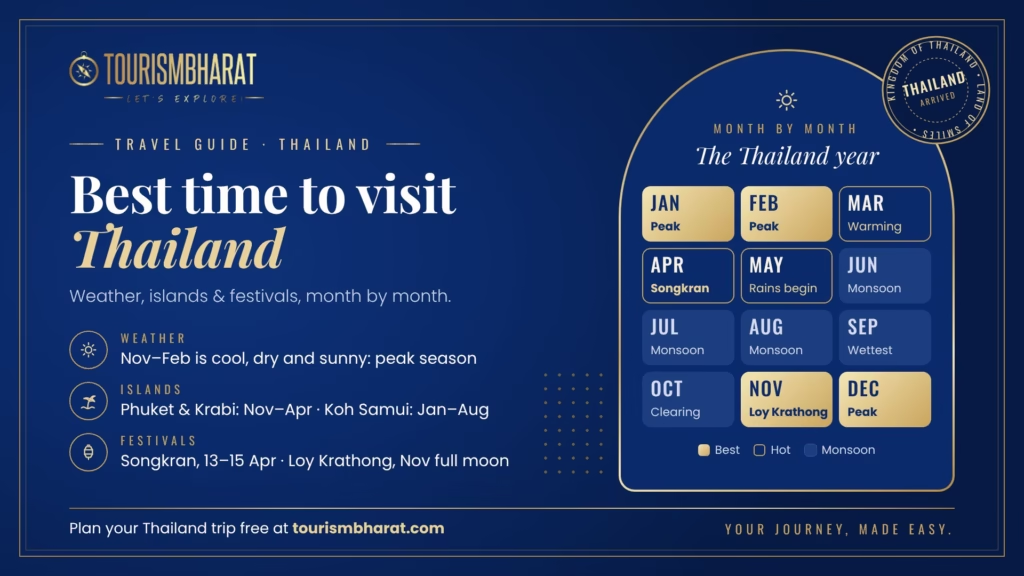
Thailand remains one of the world’s most alluring travel destinations, offering an intoxicating blend of neon-lit metropolitan energy, mist-shrouded northern peaks, and idyllic southern islands. However, planning a trip to the Kingdom is not as simple as picking a date on the calendar. Thailand’s unique geography means that while one coast bathes in glorious sunshine, the other may be hit by torrential monsoonal downpours.
As the Lead Travel Journalist and Commercial Strategist for TourismBharat, I have mapped out this definitive, publication-ready guide to help you navigate Thailand’s microclimates, national park schedules, and culturally significant festivals. By understanding these seasonal nuances, you can avoid the tourist traps, bypass the monsoons, and secure the ultimate Thai getaway.
The Microclimate Split: Andaman Coast vs. Gulf of Thailand Weather Calendar

The worst nationwide rainfall occurs in September and October. However, avoid the Andaman Coast (Phuket, Krabi) from May to October, and the Gulf of Thailand (Koh Samui, Koh Phangan) from October to December, as their respective regional monsoon cycles peak during these distinct windows.
To plan a flawless beach holiday, you must understand the stark Andaman Sea vs. Gulf of Thailand monsoon divergence. Thailand’s southern peninsula is divided by a narrow strip of land, creating two completely different weather systems on either side.
The Andaman Sea Coast (including Phuket, Krabi, Koh Lanta, Khao Lak, and the Similan Islands) is governed by the Southwest Monsoon. This weather system sweeps in from the Indian Ocean, bringing heavy rain and choppy seas from May to October. During this period, beach red flags are common, ferry crossings are frequently suspended, and underwater visibility drops significantly.
Conversely, the Gulf of Thailand (home to Koh Samui, Koh Phangan, and Koh Tao) enjoys relatively sheltered weather during the summer months. While Phuket is drenched in July and August, Koh Samui experiences mostly sunny days with occasional afternoon showers. However, the Gulf’s own Northeast Monsoon strikes later in the year, bringing intense rainfall and rough seas from late October to mid-December.
Therefore, if you are travelling between May and September, head east to the Gulf islands. If you are travelling between December and April, head west to the Andaman Coast.
Month-by-Month Breakdown: Weather, Crowds, and Average Hotel Prices
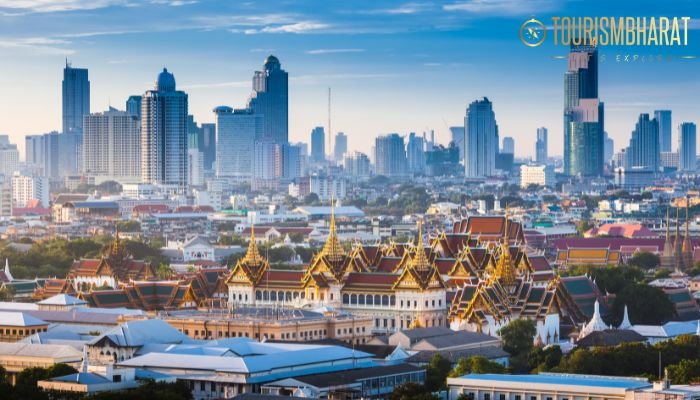
The absolute best time to visit Thailand is from November to February, when the dry, cool northeast monsoon brings pleasant temperatures nationwide. High-altitude northern regions like Chiang Mai experience chilly nights, while central and southern beach destinations enjoy sunny skies and calm seas.
Thailand generally experiences three distinct seasons: Cool (November to February), Hot (March to May), and Wet (June to October). However, regional anomalies can surprise unprepared travellers.
For instance, the high-altitude Northern weather anomalies can catch tropical vacationers off guard. During the cool season, peaks like Doi Inthanon in Chiang Mai experience a winter chill where temperatures drop to near freezing (0–5°C) at night, requiring heavy jackets and thermals. Meanwhile, marine enthusiasts should note that the seasonal marine migrations—specifically the chance to swim with majestic whale sharks in Koh Tao—peak between March and May, and again in October.
To help you visualise the year, here is our comprehensive Seasonality & Weather Matrix:
| Month Range | Climate Season | Andaman Coast | Gulf Coast | Northern Thailand | Crowd & Price Level |
|---|---|---|---|---|---|
| Nov – Feb | Cool & Dry | Excellent (Sunny, dry) | Good (Rain clears in Dec) | Chilly nights, sunny days | Peak (High prices) |
| Mar – May | Hot & Dry | Very Hot, calm seas | Excellent (Whale sharks) | Scorching (Smoky season) | Moderate (Mid-range prices) |
| Jun – Oct | Wet / Monsoon | Heavy rain, rough seas | Good (Heavy rain only Oct) | Humid, lush green landscapes | Low (Exceptional deals) |
Plan Your Bespoke Thai Experience with TourismBharat
Every traveller is unique, and so should be their itinerary. Tourism Bharat offers highly curated, tailor-made travel plans based on seasonal sweet spots. Here is our recommended guide for specialised segments:
- Couples & Honeymooners: Fly to Koh Samui or Yao Noi between January and March for intimate beach dinners and perfectly calm turquoise waters.
- Families: Visit Phuket and Krabi in December and January for safe swimming, kid-friendly beach clubs, and operating island-hopping ferries.
- Solo Travellers: Opt for Chiang Mai and Pai in November to experience the spiritual lantern festivals and meet fellow travellers in cool, dry weather.
- Adventurers: Head to Koh Tao in March or April for prime scuba diving conditions, deep-sea currents, and reliable whale shark encounters.
- Corporate & MICE: Book luxury resorts in Bangkok or Hua Hin in September or October to capitalise on low-season luxury rates, utilising world-class indoor conference facilities.
Ready to design your dream getaway? Contact a TourismBharat Destination Expert Today.
When Do Thailand’s National Parks Close? Island Hopping Restrictions Explained
To preserve fragile marine ecosystems, Thailand’s Department of National Parks closes the Similan and Surin Islands in the Andaman Sea from May 16 to October 14 annually. Visiting these world-class dive sites is only possible during the dry season from mid-October to mid-May.
Many travellers arrive in Thailand expecting to tick off bucket-list island tours, only to find the destinations completely off-limits. The Department of National Parks, Wildlife and Plant Conservation (DNP) strictly enforces the Surin and Similan Islands national park closures from May 15 to October 15. During these months, the islands are completely closed to all tourist boats to allow coral reefs, nesting sea turtles, and marine life to regenerate without human interference.
Other major marine parks in the Andaman Sea, including Koh Haa, Koh Rok, and Maya Bay in Koh Phi Phi, also experience rolling ecological closures during the peak of the rainy season (typically August to September for Maya Bay).
Essential Travel Permits & Logistics
- Marine Park Entry Permits: Foreign visitors must pay a national park entry fee. For the Similan and Surin Islands, this is typically 500 THB (~14 USD / 1,200 INR) per adult and 300 THB per child.
- Verified Booking Channels: You cannot visit these protected islands independently. Permits must be purchased in advance through DNP-approved, eco-certified tour operators. It is recommended to book Similan day-trips at least 2 weeks in advance during the dry season.
- Local Transport Fare Ranges:
- Speedboat packages from Khao Lak pier to the Similans range from 2,500 to 3,800 THB ($70 – $110 USD / 6,000 – 9,000 INR) per person, inclusive of park fees, lunch, and snorkel gear.
- Longtail boat charters for local island hopping in Krabi (Hong Islands) cost 2,000 to 4,500 THB ($55 – $125 USD / 4,800 – 10,800 INR) per day depending on the route and boat size.
TourismBharat Transit & Logistics Gateway
Reaching Thailand’s remote paradises requires coordinated land, air, and sea travel. Let Tourism Bharat streamline your logistics:
- International Flights: Fly directly into Suvarnabhumi Airport (BKK) in Bangkok or Phuket International Airport (HKT). Key airlines include Thai Airways, Singapore Airlines, and Indigo/Air India from major Indian hubs.
- Domestic Connectivity: Use budget carriers like AirAsia, Nok Air, or Bangkok Airways to fly from Bangkok to Surat Thani (for Gulf Islands access) or Krabi/Phuket. Alternatively, secure first-class sleeper train tickets from Bangkok’s Krung Thep Aphiwat Central Terminal to Surat Thani or Chiang Mai.
- Vetted Ground Transfers: Avoid the stress of local scams. TourismBharat provides pre-booked, private, air-conditioned SUV and luxury van rentals with vetted, English-speaking drivers. Transfers from Phuket Airport to Khao Lak piers range from 1,200 to 1,800 THB.
Let us handle the details. Book Your Airport Transfers & Inter-Island Ferry Tickets Here.
Seasonal Festival Guide: Songkran, Yi Peng, and Phuket Vegetarian Festival Dates

November is the best month, aligning with the full moon of the twelfth lunar month for the Loy Krathong and Yi Peng festivals in Chiang Mai. Travelers must book Chiang Mai accommodations and festival entry tickets four to six months in advance.
Aligning your travel with Thailand’s cultural calendar is incredibly rewarding, but it requires precise timing and respect for local traditions.
Songkran (The Thai New Year)
Held annually from April 13 to April 15, Songkran is the world’s largest water fight, symbolising purification and the washing away of sins.
- Regional Timing & Scope: While Bangkok’s Silom and Khao San roads host intense, high-energy water battles, Chiang Mai’s old city moat sees week-long celebrations. In Pattaya, the “Wan Lai” festival extends the water throwing until April 19.
- Safety & Etiquette: Always protect your electronics in heavy-duty dry bags. Wear protective goggles to shield your eyes from high-powered water streams. Avoid driving scooters during Songkran, as wet roads and festive drinking significantly increase traffic risks. Only throw clean, room-temperature water, and never throw water at monks, infants, or the elderly.
Yi Peng and Loy Krathong (The Festival of Lights)
These dual festivals occur simultaneously during the full moon of the 12th Thai lunar month (almost always in mid-to-late November). Loy Krathong involves floating lotus-shaped baskets on water bodies, while Yi Peng is Chiang Mai’s famous mass lantern release.
- Important Booking Warning: Because of strict air traffic control laws, lanterns can only be released at designated ticketed venues (such as the Lanna Dhutanka temple grounds). Tickets sell out months in advance.
Phuket Vegetarian Festival (Nine Emperor Gods Festival)
Occurring over nine days in October, this Taoist event is famous for its extreme rituals. Devotees undergo shocking facial piercings with swords, needles, and household items, and walk across hot coals to demonstrate spiritual devotion.
- Visitor Guidelines: Wear white clothing while visiting temples, do not consume meat, alcohol, or sex during this period, and prepare for loud, continuous firecrackers designed to ward off evil spirits.
Cultural Etiquette & Dress Codes
When attending any religious festival or visiting temples (such as Wat Phra Kaew in Bangkok), dress conservatively. Both men and women must cover their shoulders and knees. Remove your shoes before entering any temple hall, never point your feet toward a Buddha image, and greet locals with a polite Wai (palms pressed together at chest height with a slight bow).
What to Pack for Thailand: Essential Gear for Wet, Dry, and Hot Seasons
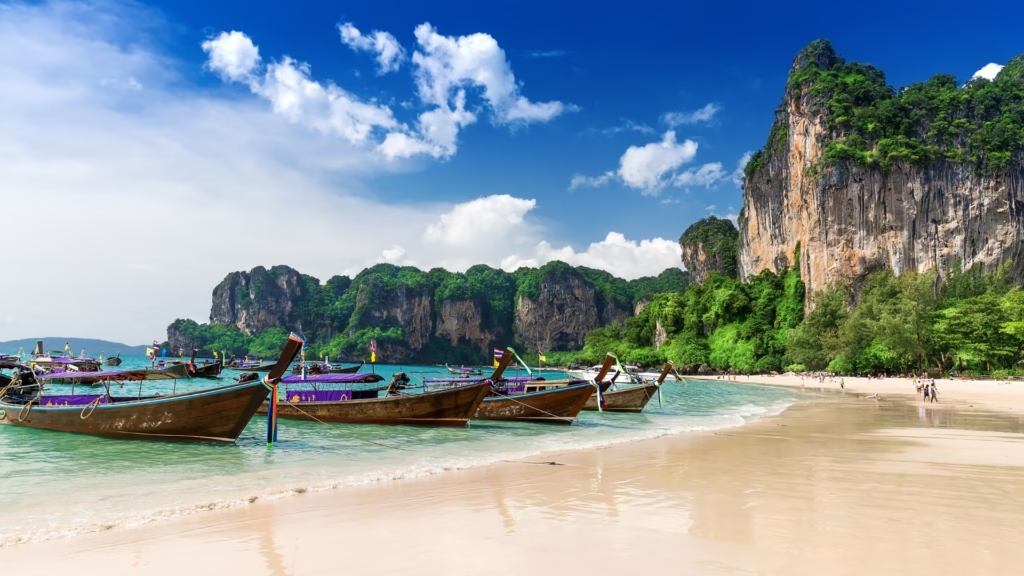
Pack breathable linen clothing and UV-rated sunglasses for the hot season; a sturdy windproof poncho and dry bags for the monsoon; and lightweight layers, fleece, and sturdy hiking shoes for northern Thailand’s chilly high-altitude winter nights in Chiang Mai and Chiang Rai.
Your packing list will vary dramatically depending on your travel window and chosen destinations. A packing mistake can leave you shivering on a mountain peak or soaked to the bone on an island ferry.
- The Hot & Dry Season (March to May): Pack loose-fitting, light-colored clothing made of linen or bamboo. Bring a wide-brimmed hat, polarised sunglasses, and high-quality, reef-safe biodegradable sunscreen (oxybenzone-free to protect marine life). Pack hydration salts to combat heat exhaustion.
- The Wet Season (June to October): Skip the cheap umbrellas, which break easily in monsoonal winds. Invest in a lightweight, breathable, windproof rain poncho. Pack a 10L or 15L waterproof dry bag for your camera and passport. Bring slip-resistant shoes or high-traction waterproof sandals like Tevas. A premium mosquito repellent containing at least 20% DEET or Picaridin is non-negotiable to protect against Dengue fever.
- The Cool Season & Northern Peaks (November to February): If travelling north, bring packing layers. High-altitude spots like Doi Inthanon require thermal undergarments, a fleece jacket, a beanie, and sturdy hiking shoes. Down in the valleys, lightweight cardigans or light jackets are perfect for open-air night markets.
To help you budget for your journey, we have broken down the average daily travel expenses across low, mid, and high seasons:
| Traveler Category | Low Season (Jun – Oct) | Shoulder Season (Mar – May) | Peak Season (Nov – Feb) | Key Inclusions per Day |
|---|---|---|---|---|
| Budget | ₹2,500 / $30 USD | ₹3,500 / $42 USD | ₹5,000 / $60 USD | Hostel beds, street food, public songthaews, free beaches. |
| Mid-Range | ₹7,000 / $85 USD | ₹10,000 / $120 USD | ₹15,000 / $180 USD | 3-star boutique hotels, sit-down local dining, group speedboats, private taxis. |
| Luxury | ₹20,000+ / $240+ USD | ₹30,000+ / $360+ USD | ₹50,000+ / $600+ USD | 5-star beach villas, fine dining, private luxury yacht charters, personal guides. |
Your Seamless Thai Getaway Awaits
Don’t leave your holiday to chance. Monsoonal shifts, national park closures, and festival ticket windows require expert planning and coordination. At TourismBharat, our dedicated destination experts live and breathe Thailand. We craft flawless, worry-free itineraries tailored specifically to your budget, style, and seasonal preferences.
Let us handle your flights, luxury hotels, verified transfers, and exclusive temple tours.