 CHAT WITH US NOW!

Here’s the list of must-visit offbeat destinations in India. From Spiti to Tawang, you will have a completely different experience at these offbeat places in India.
India, a kaleidoscope of cultures and landscapes, holds not just the iconic and the celebrated, but also a wealth of uncharted territories. For the discerning traveller seeking authentic experiences beyond the well-trodden tourist circuits, an offbeat journey through India offers a profound revelation. At TourismBharat.com, we invite you to peel back the layers and discover the soul-stirring beauty of destinations less explored, where every turn presents a new story, a unique culture, and an unforgettable adventure.
Planning Your Offbeat India Adventure: Essential Tips Before You Go
An offbeat journey in India requires thoughtful preparation, focusing on safety, sustainability, and cultural sensitivity. Prioritize physical readiness, especially for high altitudes, and pack mindfully. Engage with local communities respectfully, minimize your environmental footprint, and ensure all necessary permits are secured well in advance for a smooth and rewarding experience.
Venturing into India’s lesser-known corners promises unparalleled experiences, but it demands a different kind of preparation. Your journey’s success hinges on meticulous planning, from understanding local nuances to ensuring your own well-being.
- Physical Readiness: Many offbeat destinations involve trekking, uneven terrain, or high altitudes. Engage in cardiovascular exercises before your trip.
- Altitude Sickness Prevention: For high-altitude locations like Spiti, Ladakh, or Tawang, acclimatisation is key. Ascend gradually, stay hydrated (avoid alcohol and excessive caffeine), and recognise symptoms (headache, nausea). Consult your doctor about prophylactic medication like Diamox. Carry portable oxygen canisters for emergencies.
- Sustainable Travel Practices: Be a responsible traveller. Carry reusable water bottles, minimise plastic waste, and dispose of all garbage properly. Support local businesses and respect the natural environment.
- Community Engagement: Learn a few local phrases, ask permission before photographing people, and engage genuinely with residents. Homestays offer excellent opportunities for cultural exchange.
- Essential Gear Recommendations:
- Layered Clothing: For varying temperatures (thermals, fleece, waterproof outer shell).
- Sturdy Trekking Boots: With good ankle support and grip.
- Rain Gear: Waterproof jacket and trousers.
- Headlamp/Torch: For power outages or early morning treks.
- Portable Charger/Power Bank: Electricity can be intermittent.
- Basic First-Aid Kit: Including altitude sickness medication, pain relievers, antiseptic wipes, band-aids.
- Sun Protection: High-SPF sunscreen, hat, sunglasses.
- Personal Water Filter/Purifier: To reduce plastic bottle usage.
Permits, Regulations, and Safety: What Every Traveller Must Know
Navigating permits for offbeat Indian regions like Spiti, Ladakh, and Arunachal Pradesh is crucial. Inner Line Permits (ILP) or Protected Area Permits (PAP) are often mandatory for both Indian and foreign nationals, with specific application processes. Prioritizing safety, especially for solo female travelers, involves informed choices, respecting local customs, and having emergency contacts readily available to ensure a secure and respectful journey.
Before you set foot on an offbeat trail, understanding the specific permits, local regulations, and safety protocols is paramount. These often-remote regions have unique requirements designed to protect both the environment and their indigenous communities.
Inner Line Permit (ILP) & Protected Area Permit (PAP) Requirements
- Spiti Valley, Himachal Pradesh:
Indian nationals typically do not require an Inner Line Permit (ILP) for Spiti Valley. However, foreign nationals must obtain an ILP, usually processed at District Collector offices in Kaza or Reckong Peo, or via online application. Essential documents include passport, visa, and passport-sized photographs.
For foreign nationals, the ILP is mandatory. It can be obtained from the District Collector’s office in Shimla, Manali, Reckong Peo, or Kaza. Online applications are also available through the Himachal Pradesh government portal, which often requires a local guarantor.
- Ladakh (Specific Areas): Both Indian and foreign nationals require an ILP to visit certain restricted areas like Pangong Tso, Nubra Valley, Tso Moriri, and Turtuk. Indian nationals can apply online or in person at the Leh Deputy Commissioner’s office. Foreign nationals must apply in person at the Leh DC office through a registered travel agent. Documents required include ID proof, address proof, and passport-sized photos.
- Arunachal Pradesh: All visitors, both Indian and foreign nationals, require permits.
- Indian Nationals: Need an Inner Line Permit (ILP), obtainable from Resident Commissioner Offices in Kolkata, Guwahati, Tezpur, Shillong, New Delhi, or online via the Arunachal Pradesh government website.
- Foreign Nationals: Need a Protected Area Permit (PAP), obtainable from the Ministry of Home Affairs, New Delhi, or through authorised travel agents. It requires a minimum of two persons travelling together.
Safety Considerations and Tips
- General Safety: Inform family or friends of your itinerary, carry a local SIM card, and save emergency contacts (local police, medical services, embassy details). The general emergency number in India is 112.
- Solo Female Travellers:
- Choose reputable homestays or guesthouses with good reviews.
- Dress modestly, respecting local cultural norms.
- Avoid late-night travel or venturing alone into isolated areas after dark.
- Trust your instincts. If a situation feels uncomfortable, remove yourself.
- Always keep your phone charged and carry a power bank.
- Local Customs and Etiquette: Always remove your shoes before entering temples, mosques, or homes. Dress modestly, especially when visiting religious sites. Ask permission before taking photographs of people.
Unveiling India’s Hidden Gems: Top Offbeat Destinations
From the ancient monasteries of Spiti to the vibrant tribal culture of Ziro, and the misty living root bridges of Meghalaya to the serene Himalayan grandeur of Tawang, India’s offbeat destinations offer a tapestry of unique experiences. Each location promises deep cultural immersion, breathtaking natural beauty, and a chance to escape the ordinary, requiring travelers to embrace local rhythms and remote charm.
India’s true magic often lies beyond the guidebook. Here, we delve into a few of these captivating, less-explored regions, offering a glimpse into their unique allure and practical insights for your visit.
Spiti Valley, Himachal Pradesh: The Middle Land

Nestled high in the Himalayas, Spiti Valley is a cold desert mountain valley, famed for its surreal landscapes, ancient monasteries, and a culture deeply influenced by Tibetan Buddhism. It’s a land of rugged beauty, challenging terrain, and profound serenity.
Getting There & Last-Mile Connectivity
The valley is accessible via two routes: Shimla-Kinnaur (open almost year-round) and Manali-Kunzum Pass (open only from June to October). From Manali, shared taxis (Sumo/Tempo Traveller) depart from the Manali bus stand (fare ₹800-₹1200) to Kaza. From Shimla, buses ply to Reckong Peo, from where local HRTC buses or shared taxis (fare ₹700-₹1000) are available to Kaza. Inner valley connectivity relies on shared jeeps departing from Kaza bus stand to villages like Komik, Hikkim, and Langza.
Unique Local Festivals & Culture
Experience the traditional Lobar Festival (Tibetan New Year) in February-March, marked by masked dances, rituals, and local delicacies. The Ladarcha Festival in August, near Kaza, is a vibrant fair showcasing local handicrafts, cultural performances, and traditional sports.
Where to Stay & Local Flavours
Homestays: Enjoy the authentic Spitian life by staying in local homestays in villages like Komik, Langza, or Demul. These offer basic amenities, warmth, and delicious home-cooked meals. For a slightly more upscale experience, consider eco-lodges around Kaza. Try the local Thukpa (noodle soup), Momos, and the traditional barley beer called Chang. Don’t miss Pitti, a local Spitian pancake.
TourismBharat.com Recommendation: Explore our curated Spiti Valley Homestay Collection for authentic experiences, including our partner ‘The Himalayan Cafe & Homestay’ in Kaza, offering unparalleled mountain views and traditional hospitality.
Ziro Valley, Arunachal Pradesh: Apatani Heartland
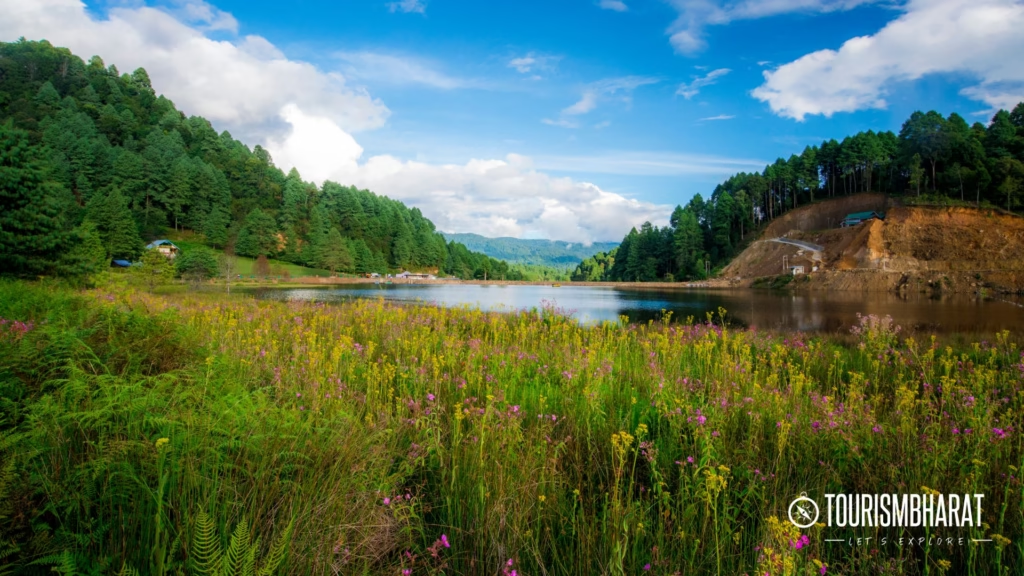
Ziro Valley, a UNESCO World Heritage Site candidate, is a picturesque plateau known for its terraced paddy fields, pine-clad hills, and the unique cultural practices of the Apatani tribe. It’s a haven for nature lovers and cultural enthusiasts.
To reach Ziro Valley by public transport, take a train to Naharlagun (near Itanagar) from Guwahati, then a shared taxi or bus. Alternatively, fly to Jorhat (Assam) and take a shared Sumo or local bus for the 6-7 hour journey. Direct Arunachal Pradesh State Transport buses also run from Itanagar.
Getting There & Last-Mile Connectivity
The nearest railway station is Naharlagun (approx. 100 km). From Naharlagun, shared Sumos (fare ₹300-₹500) and buses depart regularly for Ziro (New Ziro/Hapoli). The nearest airport is Jorhat (Assam, approx. 120 km) or Lilabari (Assam, approx. 100 km). From these airports, private taxis (₹2500-₹4000) or shared Sumos (₹500-₹700) are available. Local transport within Ziro includes auto-rickshaws and shared taxis.
Unique Local Festivals & Culture
The highlight is the Ziro Music Festival (September/October), an outdoor music festival celebrating independent music, held amidst stunning landscapes. Experience the vibrant Myoko Festival (March) or the Murung Festival (January) of the Apatanis, featuring traditional dances, rituals, and community feasts.
Where to Stay & Local Flavours
Homestays: Opt for traditional Apatani homestays in villages like Hija, Hong, or Hari, offering insights into their unique bamboo-stilt houses and sustainable farming practices. Try the local delicacies like Bamboo Shoot Fry, smoked pork, and the famous Apatani rice beer called Apong. The Pika Pila (a spicy pickle made from bamboo shoot and meat fat) is a must-try.
TourismBharat.com Recommendation: Discover eco-friendly stays and authentic Apatani homestays in Ziro. Book your cultural immersion package with us for hassle-free travel.
Tawang, Arunachal Pradesh: The Land of Monasteries

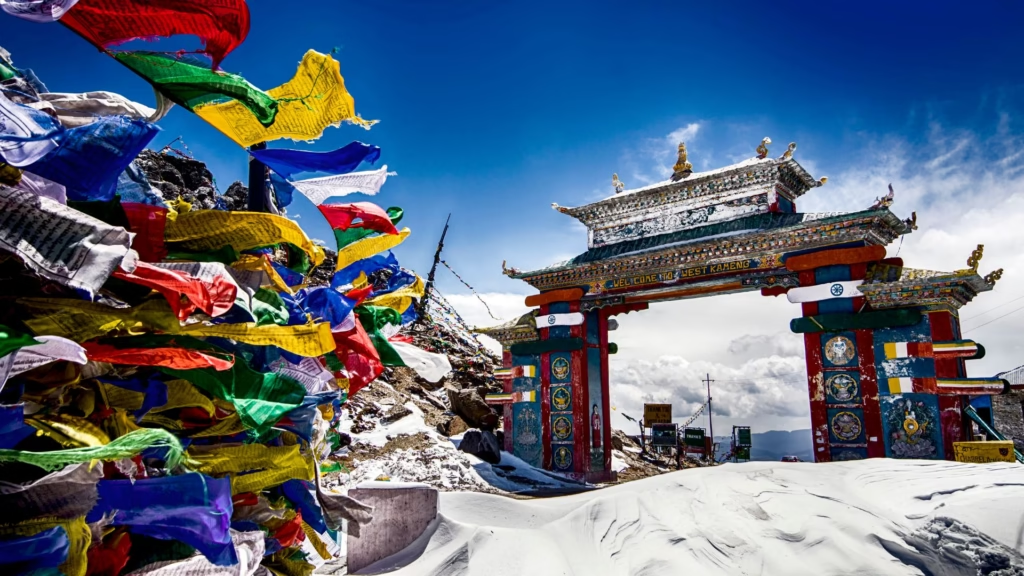
Tawang, perched at an altitude of 10,000 feet, is renowned for its majestic Tawang Monastery, scenic beauty, and a deeply spiritual atmosphere. It’s a land of snow-capped peaks, glacial lakes, and vibrant Monpa culture.
The best time to experience snowfall and a true winter wonderland in Tawang, Arunachal Pradesh, is typically from late December to early March. January and February usually offer the highest probability of heavy snowfall, though this period can also lead to temporary road closures due to snow accumulation.
Getting There & Last-Mile Connectivity
Tawang is best reached by road from Bomdila or Dirang, after flying into Tezpur (Assam) or Guwahati (Assam). Shared Sumos (fare ₹800-₹1200 per seat) operate from Tezpur to Tawang, taking approximately 10-12 hours, often with an overnight halt in Bomdila or Dirang. The roads are challenging, especially during monsoon or winter. Local shared taxis or private vehicles are available for sightseeing within Tawang and to nearby attractions like PTSO Lake or Bum La Pass.
Unique Local Festivals & Culture
The Torgya Monastery Festival (January), a three-day festival held at Tawang Monastery, is a spectacular display of masked dances, prayers, and rituals, attracting pilgrims and tourists alike. The Losar Festival (Tibetan New Year) is also celebrated with great fervour.
Where to Stay & Local Flavours
Guesthouses/Hotels: Tawang has a mix of government guesthouses and private hotels. For an authentic experience, look for smaller, family-run guesthouses. Try the local Monpa cuisine, including Thukpa, Gyapa Khazi (a traditional Monpa pancake), and Momos. Sample the local butter tea and Chhang (local rice beer).
Rural Meghalaya: The Abode of Clouds
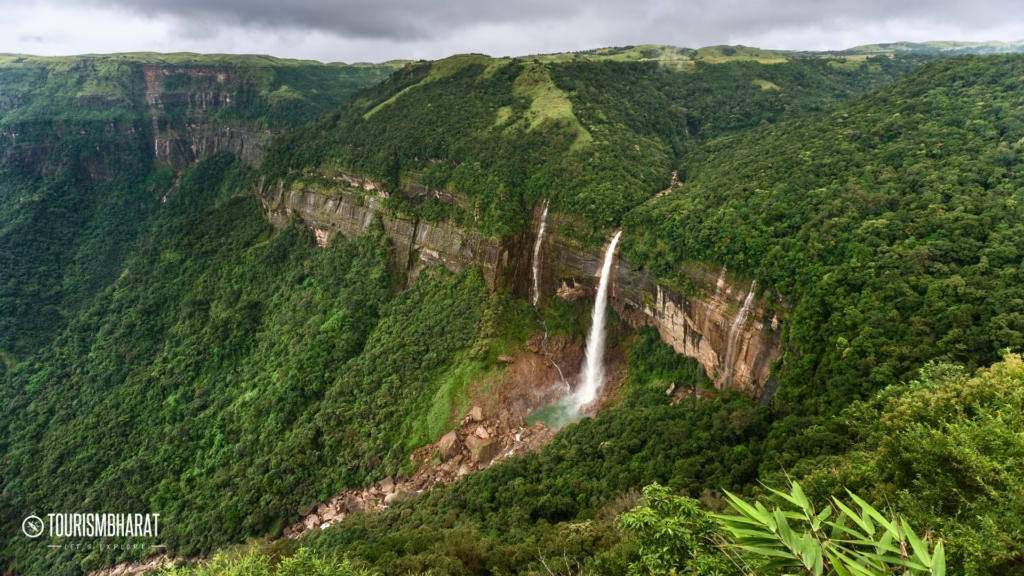
Meghalaya, with its living root bridges, crystal-clear rivers, and verdant hills, offers a unique blend of adventure and cultural immersion. The Khasi, Garo, and Jaintia tribes maintain a rich matrilineal culture amidst breathtaking natural wonders.
A solo backpacker in rural Meghalaya can expect an average daily budget of ₹1800-₹2800 (approx. $22-$34). This includes basic homestay accommodation (₹600-₹1200), local meals (₹400-₹700), and shared transport for sightseeing (₹800-₹1000). Costs may fluctuate based on specific activities and remoteness.
Getting There & Last-Mile Connectivity
Shillong (Umroi Airport) is the capital, with direct flights from Kolkata. Guwahati (Assam) is the nearest major airport and railway station, from where shared taxis (Sumo/Alto, ₹300-₹500 per seat) and buses frequently depart for Shillong. To reach rural areas like Mawlynnong, Dawki, or Cherrapunjee from Shillong, shared Sumos or local buses are available from Bara Bazar/Police Bazar. Last-mile connectivity in villages often involves walking or local taxi hires.
Unique Local Festivals & Culture
Witness the vibrant Nongkrem Dance Festival (November) of the Khasi tribe near Shillong, a thanksgiving festival involving traditional dances and animal sacrifices. The Wangala Festival (November/December) of the Garo tribe is another highlight, celebrating harvest with drums and dances.
Where to Stay & Local Flavours
Homestays & Treehouses: Mawlynnong (Asia’s cleanest village) offers charming guesthouses and treehouses. Cherrapunjee (Sohra) and Dawki also have excellent homestay options. Relish Jadoh (rice cooked with meat), Dohneiiong (pork with black sesame), and Putharo (steamed rice bread). Don’t miss the fresh pineapple and local organic produce.
Getting There: Detailed Transportation Guides
Efficiently reaching India’s offbeat destinations often involves a multi-modal journey: flying to nearest major airports (e.g., Guwahati for Northeast, Leh for Ladakh), then connecting via trains to regional hubs, and finally utilizing shared taxis, local jeeps, or state buses for last-mile access. Booking well in advance, especially for remote regions, is crucial for seamless travel.
The journey to offbeat locales is often as much an adventure as the destination itself. Here’s how to navigate the intricate web of Indian transport:
- By Air: Fly to the nearest major airport (e.g., Guwahati for Northeast India, Leh for Ladakh, Bagdogra for Sikkim/North Bengal, Bhuntar for Kullu/Manali). From there, connect to ground transport.
- By Rail: Indian Railways offers extensive connectivity. Major railheads often serve as gateways to regions, requiring onward travel by road (e.g., Jammu Tawi for Ladakh, New Jalpaiguri for Sikkim).
- By Road:
- State Transport Buses: Budget-friendly but can be slower and less comfortable.
- Shared Taxis/Sumos: The lifeline of mountain travel. Cost-effective, depart once full, and navigate challenging terrains efficiently. Fares typically range from ₹300-₹1500 depending on distance and terrain.
- Private Taxis: Offer comfort and flexibility but are significantly more expensive.
Transit & Logistics: Seamless Connections Await
Let TourismBharat.com simplify your journey. We offer comprehensive flight connectivity options to the nearest airports (e.g., Guwahati, Leh, Jorhat), detailed railway schedules to key stations (e.g., Naharlagun, New Jalpaiguri), and vetted cab rental services with experienced local drivers for safe and reliable last-mile travel. Explore & Book Your Transport Here!
Where to Stay: Curated Unique Accommodations
Beyond conventional hotels, offbeat India offers an array of unique stays from rustic homestays and sustainable eco-lodges to charming treehouses and heritage guesthouses. These accommodations provide authentic cultural immersion, support local economies, and offer a deeper connection to the environment, aligning perfectly with the ethos of responsible travel.
The charm of offbeat travel is often amplified by the unique places you choose to rest your head. Forget generic hotels; embrace the local flavour.
- Homestays: The most authentic experience. Live with local families, share their meals, and learn about their culture firsthand. They are generally budget-friendly (₹600-₹1200 per night).
- Eco-Lodges: Designed with sustainability in mind, these offer comfort with minimal environmental impact. Often located in pristine natural settings.
- Boutique Guesthouses: Small, characterful properties that blend local aesthetics with modern amenities, offering a mid-range option (₹1500-₹3000 per night).
- Treehouses & Glamping: Emerging options in regions like Meghalaya or parts of the Western Ghats, providing a unique stay amidst nature.
TourismBharat.com Exclusive: We partner with handpicked local homestays, eco-lodges, and unique boutique guesthouses that reflect the true spirit of each destination. Enjoy special rates and verified bookings. Find Your Perfect Offbeat Stay!
Best Time to Visit: Seasonal Activities & Festival Calendars
Choosing the best time for India’s offbeat destinations depends on desired experiences, from winter snowscapes in Tawang (Dec-Mar) to summer trekking in Spiti (June-Sept) or vibrant autumn festivals in Ziro (Sept-Oct). Each season offers unique advantages, but travelers must consider road accessibility and specific weather patterns, especially in high-altitude or monsoon-prone regions.
| Destination | Best Months | Average Temp. Range (°C) | Rainfall | Crowd Levels | Key Activities & Festivals |
|---|---|---|---|---|---|
| Spiti Valley | June – Sept (Summer/Autumn) | 10 to 25 | Low (rain shadow) | Moderate | Trekking, Monasteries, Chandratal Lake, Ladarcha Festival (Aug) |
| Oct – May (Winter) | -15 to 10 | Heavy Snow | Very Low | Snow trekking, Wildlife spotting, Lobar Festival (Feb-Mar) | |
| Ziro Valley | Mar – May (Spring) | 15 to 25 | Moderate | Low | Nature walks, Apatani culture, Myoko Festival (Mar) |
| Sept – Oct (Autumn) | 10 to 20 | Low | Moderate | Ziro Music Festival (Sept/Oct), Harvest season | |
| Tawang | Apr – May (Spring) | 5 to 20 | Moderate | Moderate | Monastery visits, Rhododendron bloom |
| Sept – Oct (Autumn) | 0 to 15 | Low | Moderate | Clear views, Buddhist festivals | |
| Dec – Mar (Winter) | -10 to 5 | Heavy Snow | Low | Snow experiences, Torgya Festival (Jan), Road closures possible | |
| Rural Meghalaya | Oct – Apr (Dry Season) | 10 to 25 | Low | Moderate | Root bridges, Waterfalls, Cleanest Village, Nongkrem Dance (Nov) |
| May – Sept (Monsoon) | 18 to 28 | Very High | Low | Lush greenery, full waterfalls (challenging travel) |
Local Flavours: Must-Try Dishes & Authentic Culinary Experiences
The culinary journey through offbeat India is a delightful exploration of regional diversity, offering distinct tastes from traditional Thukpa and Chang in Spiti to Apatani Apong and Pika Pila in Ziro, or Khasi Jadoh in Meghalaya. These dishes, deeply rooted in local culture and available primarily in homestays or small eateries, provide an authentic gastronomic immersion.
Food is a powerful conduit to culture. In offbeat India, every region boasts a unique palate influenced by local ingredients and traditions.
- Spiti:
- Thukpa: A hearty noodle soup, perfect for cold weather.
- Momos: Steamed dumplings, often filled with vegetables or yak meat.
- Chang: A traditional barley beer, brewed locally.
- Pitti: A pancake-like dish made from local flour, usually served with local butter.
- Arunachal Pradesh (Ziro/Tawang):
- Apong (Ziro): A unique rice beer of the Apatani tribe, usually served in bamboo mugs.
- Bamboo Shoot Dishes: A staple across the Northeast, used in curries and pickles.
- Smoked Pork/Meat: Often slow-cooked over wood fires, offering rich, smoky flavours.
- Gyapa Khazi (Tawang): A Monpa dish similar to a pancake, often served with local stew.
- Meghalaya:
- Jadoh: A Khasi delicacy of rice cooked with meat (pork or chicken) and local spices.
- Dohneiiong: Pork curry cooked with black sesame paste, a rich and aromatic dish.
- Putharo: Steamed rice bread, often served with curries.
- Tungrymbai: Fermented soybean chutney.
Responsible Travel: How to Explore Sustainably & Support Local Communities
Responsible travel in India’s offbeat locales means actively preserving nature, respecting cultural heritage, and empowering local communities. This includes minimizing waste, supporting local businesses (homestays, guides, artisans), respecting indigenous traditions, and adhering to environmental guidelines. Engaging thoughtfully ensures your visit benefits the destination and leaves a positive, lasting impact.
Your journey should enrich not just you, but also the places you visit.
- Leave No Trace: Carry out everything you carry in. Avoid single-use plastics.
- Support Local Economy: Stay in homestays, hire local guides, buy local handicrafts directly from artisans.
- Respect Culture & Environment: Adhere to local customs, protect wildlife, and avoid disturbing natural habitats. Seek permission before taking photographs of people.
- Volunteering: Look for opportunities to engage with local conservation or community development projects.
TourismBharat.com Impact: We champion sustainable tourism!
Curated Offbeat Itineraries & Packages
TourismBharat.com offers expertly curated offbeat itineraries catering to diverse traveler types, including 3-day cultural immersions, 5-day adventure treks, and 7-day deep dives into regional wonders. From luxury eco-retreats to budget-friendly homestays, our packages ensure seamless planning, authentic experiences, and cater specifically to solo travelers, families, couples, and adventurers.
Ready for your offbeat adventure? We’ve designed itineraries to suit various preferences and durations.
| Category | Accommodation (per night) | Food (per day) | Transport (per day) | Approx. Total Daily Cost (INR / USD) | Best Suited For |
|---|---|---|---|---|---|
| Budget Backpacker | ₹600-₹1200 (Homestays, hostels) | ₹400-₹700 (Local eateries, dhabas) | ₹800-₹1000 (Shared taxis, buses) | ₹1800-₹2800 / $22-$34 | Solo travellers, long-term explorers |
| Mid-Range Explorer | ₹1500-₹3000 (Boutique guesthouses, comfortable homestays) | ₹800-₹1500 (Mid-range restaurants, speciality cafes) | ₹1500-₹2500 (Mix of shared & private taxis) | ₹3800-₹7000 / $45-$85 | Couples, small groups, comfort-seeking adventurers |
| Luxury Retreat | ₹5000-₹15000+ (Eco-resorts, heritage properties, high-end lodges) | ₹1500-₹3000+ (Fine dining, curated local experiences) | ₹3000-₹6000+ (Private vehicle with driver) | ₹9500-₹24000+ / $115-$290+ | Honeymooners, corporate retreats, bespoke experiences |
Segment Guide: Tailored Experiences for Every Traveller
- Couples/Honeymooners: Seek out serene eco-resorts in Meghalaya or charming boutique stays in Spiti for romantic seclusion and unique cultural experiences.
- Families with Kids: Explore accessible natural wonders like living root bridges in Meghalaya (with careful planning) or cultural interactions in Ziro’s Apatani villages. Consider lighter treks and interactive homestays.
- Solo Travellers: Embrace the freedom of backpacking through Spiti or the cultural depth of Ziro. Focus on vetted homestays and guided group activities for safety and camaraderie.
- Adventurers: Challenging treks in Spiti, river rafting in Meghalaya (Dawki), or exploring remote passes in Tawang. Don’t forget proper gear and travel insurance.
- Corporate/MICE Offsites: Unique team-building locations like glamping sites in pristine valleys or heritage properties offering exclusive cultural immersions can foster unparalleled bonding.
TourismBharat.com Curated Tours: Explore our exclusive 3-Day Ziro Culture Immersion, 5-Day Spiti Adventure Trek, or 7-Day Tawang Monastic Trail packages. We handle permits, accommodations, and transport, ensuring a seamless journey. We also offer custom itinerary building for bespoke experiences!
Essential Gear for Your Offbeat Journey
Equipping yourself properly for India’s diverse offbeat terrain is paramount. Beyond layered clothing and sturdy trekking boots, essentials include a reliable power bank, personal water filter, comprehensive first-aid kit, and a headlamp. Specific gear like warm sleeping bags or specialized climbing equipment may be necessary depending on your chosen activities and destination’s climate.
Ensure you pack smart to fully enjoy your offbeat adventure.
- Warm Clothing: Even in summer, mountain evenings can be chilly. Include thermals, fleece jackets, and a good down jacket for high altitudes/winters.
- Footwear: Waterproof, ankle-supportive trekking boots are a must. Carry sandals or flip-flops for evenings.
- Rain Gear: A waterproof jacket and trousers are invaluable.
- Backpack: A comfortable, sturdy backpack (40-60L) with a rain cover.
- Health & Hygiene: Personal toiletries, sunscreen, insect repellent, lip balm, hand sanitiser, quick-drying towel.
- Tech Essentials: Power bank, universal adapter, camera, extra batteries, headlamp/torch.
TourismBharat.com Gear Shop: Gear up for your adventure! Explore our recommendations for high-quality trekking shoes, durable backpacks, portable chargers, and cold-weather clothing from trusted brands. Shop Essential Travel eBook Guides & Gear Here!
Beyond the Map: Hidden Gems & Inspiring Stories
Beyond the popular offbeat destinations lie countless hidden gems in India—remote villages, unexplored trails, and unrecorded cultural traditions waiting to be discovered. These truly off-the-map experiences offer raw, authentic encounters, often shared through captivating traveler stories. To fully enjoy such journeys requires an open mind, adaptability, and a willingness to venture into the unknown, promising unparalleled personal growth and profound memories.
The true spirit of offbeat travel lies in the serendipitous discoveries—the unnamed waterfalls, the humble tea stalls with the best views, the unplanned conversations with locals that leave a lasting imprint. India is vast, and even our comprehensive list barely scratches the surface. Encourage yourself to listen to local advice, deviate slightly from the path, and be open to the unexpected. These are the moments that truly define an offbeat adventure.
From the high-altitude deserts of the Himalayas to the lush, living landscapes of the Northeast, offbeat India is a treasure trove of experiences waiting to be unlocked. It’s an invitation to disconnect from the chaos and reconnect with nature, culture, and perhaps a deeper part of yourself. This isn’t just a trip; it’s a journey into the heart of India’s untold stories.
Your Journey Starts Here: Craft Your Custom Offbeat Adventure!
Ready to explore the unexplored? Let TourismBharat.com be your trusted guide. Request a customized itinerary tailored to your interests, budget, and travel style. Book verified hotels, flights, and ground transport with ease. Speak to our dedicated travel specialists for personalized advice and insider tips to make your offbeat Indian adventure truly unforgettable. Plan Your Adventure Now, We Are Just a WhatsApp Text Away!