 CHAT WITH US NOW!

Preserve India’s breathtaking heritage while indulging in world-class eco-luxury. Discover the essential guide to responsible travel, green-certified stays, and community-led conservation for 2026.
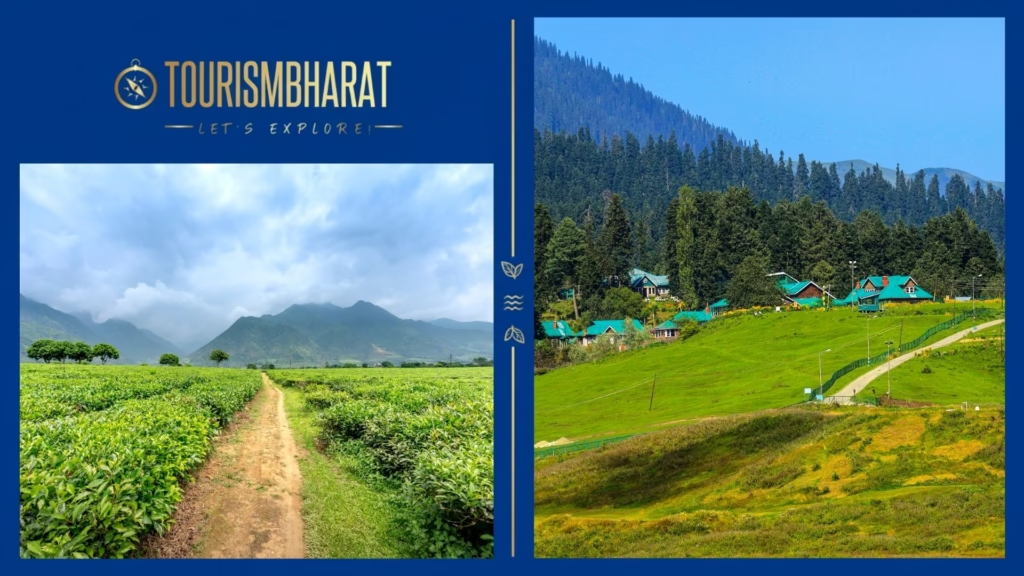
India’s diverse landscapes, rich culture, and vibrant heritage make it a captivating travel destination. However, with increasing tourist footfall, the need for sustainable tourism in India has never been greater. Sustainable tourism balances luxury travel with environmental stewardship, local community engagement, and cultural preservation. This guide explores how discerning travellers can embrace eco-friendly travel practices and support responsible tourism initiatives across India’s luxury hospitality sector.
Understanding Sustainable Tourism in India
Sustainable tourism refers to travel that minimises negative environmental impacts, supports local economies, and respects cultural heritage. In India, this concept is gaining momentum as luxury resorts, heritage hotels, and eco-lodges adopt green practices to foster responsible travel.
Why Sustainable Tourism Matters in India
Environmental Protection: India’s fragile ecosystems—from the Himalayas to coastal mangroves—require careful preservation to sustain biodiversity and natural resources.
Cultural Preservation: Responsible tourism helps maintain the integrity of India’s historic sites and traditions, preventing over-commercialisation.
Community Empowerment: Sustainable tourism initiatives provide livelihoods for local communities, promoting equitable growth and cultural exchange.
Economic Benefits: Eco-tourism attracts a niche market of conscious travellers, boosting regional economies while encouraging long-term sustainability.
Eco-Friendly Travel Practices in India
Travellers can actively contribute to sustainable tourism by adopting the following eco-friendly practices during their Indian journeys.
Choose Green Accommodations
Opt for hotels and resorts that prioritise sustainability without compromising luxury. Examples include:
Tarzan Resorts: Featuring eco-luxury pods in natural settings, emphasising minimal ecological footprint and authentic guest experiences.
SUJÁN Sher Bagh, Ranthambhore: Combines wildlife conservation with sustainable operations, including local organic sourcing and energy-efficient lighting.
ITC Maurya, New Delhi: The world’s first LEED Platinum hotel for existing buildings, notable for renewable energy use, waste recycling, and water conservation.
Timbertales Luxury Resort, Coorg: Incorporates bamboo architecture and eco-conscious design, blending luxury with environmental responsibility.
Heritage Eco Hotels: Taj Lake Palace (Udaipur), RAAS Jodhpur, and Oberoi Amarvilas (Agra) employ solar power, rainwater harvesting, and waste management systems.
Support Local Communities and Culture
Engage with local artisans, participate in cultural experiences, and purchase fair-trade handicrafts. Many eco-resorts integrate community empowerment as a core sustainability pillar, such as SUJÁN Rajmahal Palace in Jaipur, which supports local artisans and ecological projects.
Minimise Waste and Plastic Use
Carry reusable water bottles, avoid single-use plastics, and choose accommodations that have eliminated plastic straws and bottles, like Alila Diwa Goa. Participate in waste segregation and composting when possible.
Opt for Low-Impact Transportation
Use public transport, bicycles, or electric vehicles to reduce carbon emissions. Some resorts encourage electric vehicle usage and provide shuttle services to reduce individual car trips.
Respect Natural Habitats
Follow designated trails, avoid disturbing wildlife, and support conservation-oriented tourism operators. Resorts like Evolve Back Kabini actively promote environmental awareness and conservation.
Responsible Tourism Initiatives in India
India’s tourism industry is increasingly focused on sustainability through government policies, private sector innovation, and NGO involvement.
Government and Certification Programs
Programs like LEED, IGBC, and GRIHA certify hotels and resorts that meet high environmental standards, ensuring energy efficiency, water conservation, and minimal waste. This elevates India’s profile in sustainable hospitality globally.
Community-Based Tourism
Projects that involve locals in tourism planning and operations help preserve cultural identity and generate income. Many eco-lodges prioritise hiring locals and offering cultural workshops to guests.
Innovative Sustainable Infrastructure
Use of renewable energy sources like solar and wind power, rainwater harvesting systems, and sustainable building materials (e.g., bamboo in resort construction) is becoming standard in luxury eco-resorts.
Top Luxury Eco-Friendly Destinations in India
For travellers seeking premium experiences aligned with sustainability, these destinations stand out:
| Destination | Eco-Friendly Features | Notable Properties |
| Karnataka | Organic farming, tribal-inspired architecture, and wildlife conservation | Evolve Back Kabini, Timbertales Luxury Resort |
| Rajasthan | Solar power, water recycling, heritage preservation | SUJÁN The Serai (Jaisalmer), RAAS Jodhpur, Suján Rajmahal Palace (Jaipur) |
| Goa | Plastic-free initiatives, automated water bottling, and community engagement | Alila Diwa Goa, Beleza by the Beach |
| Uttarakhand | Renewable energy, bamboo construction, rainwater harvesting | Oneness Resort (Rishikesh) |
| Delhi & Urban Centers | Green building certifications, energy and water efficiency | ITC Maurya, The Orchid Mumbai |
Frequently Asked Questions (FAQs)
What is sustainable tourism in India?
Sustainable tourism in India is travel that prioritises environmental conservation, cultural preservation, and community well-being while offering luxury and authentic experiences.
How can I identify eco-friendly hotels in India?
Look for certifications such as LEED, IGBC, or GRIHA, check for renewable energy usage, waste reduction programs, water conservation measures, and support for local communities.
Are luxury and sustainability compatible in Indian tourism?
Yes, many luxury hotels and resorts in India now integrate eco-friendly practices without compromising comfort, redefining luxury as responsible and sustainable hospitality.
What are some sustainable activities to do while travelling in India?
Engage in wildlife safaris with conservation-focused operators, visit community-run cultural centres, participate in organic farm tours, and choose low-impact transportation options.
How does sustainable tourism benefit local communities in India?
It creates employment, supports traditional crafts, funds conservation projects, and ensures that tourism revenue circulates within local economies, promoting equitable growth.
Conclusion: Promote Sustainable Tourism in India for a Responsible Luxury Experience
Choosing sustainable tourism in India means indulging in luxury travel that respects the environment, uplifts communities, and preserves India’s extraordinary cultural heritage. By selecting eco-friendly accommodations, adopting responsible travel habits, and supporting local initiatives, you can enjoy authentic experiences that leave a positive impact. Join the growing movement of conscious travellers and explore India’s beauty with care and respect.
Start your sustainable journey today: Research green-certified hotels, plan eco-conscious itineraries, and share your responsible travel stories. Together, we can protect India’s treasures for generations to come.
ALSO READ: Top 10 Cleanest Villages in India: The Gems Full of Serenity and Sustainability!