 WHATSAPP US

Thinking of a holiday in Bhutan? Here’s a detailed guide to Bhutan holiday packages, including the best time to visit, how to get there, tour itineraries, accommodation options, food options, must-do activities, and common FAQs about Bhutan tour packages.
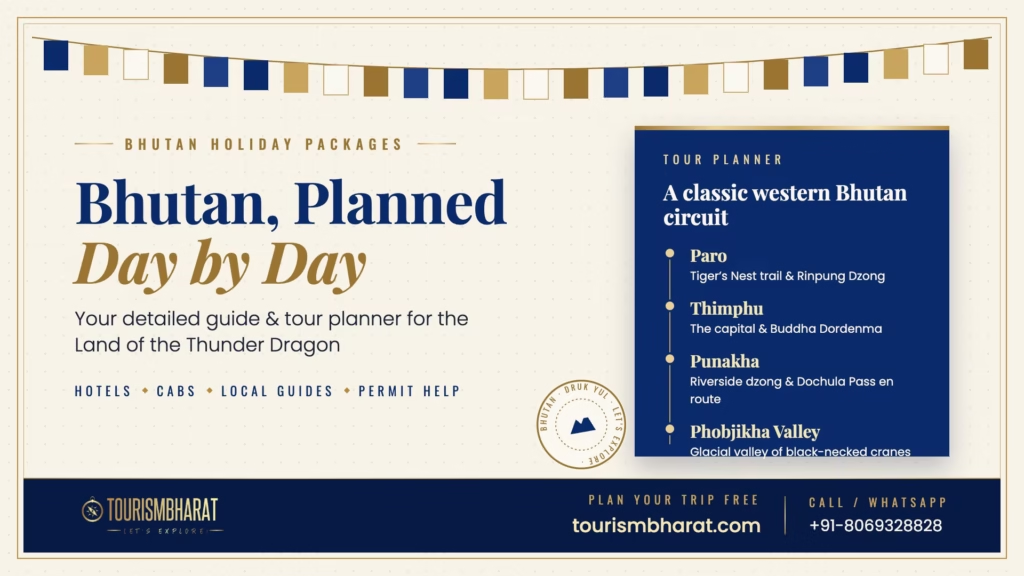
Get ready for a journey to the mystical Kingdom of Bhutan, where happiness is a philosophy and every vista is a canvas of unparalleled beauty. Tucked away in the Eastern Himalayas, Bhutan, the Land of the Thunder Dragon, offers more than just a destination; it promises an immersive experience into a culture deeply rooted in Buddhist traditions, untouched landscapes, and a commitment to Gross National Happiness. At Tourism Bharat, we curate Bhutan holiday packages that transcend the ordinary, inviting you to discover a realm where ancient monasteries cling to cliffs, vibrant festivals electrify the air, and serene valleys whisper tales of spiritual solace. This comprehensive guide will navigate you through every facet of planning your dream Bhutanese adventure, ensuring a seamless, enriching, and unforgettable exploration.
Bhutan Holiday Packages: Find Your Perfect Journey

Bhutan holiday packages are thoughtfully crafted journeys designed to offer a unique blend of cultural immersion, spiritual exploration, and breathtaking natural beauty. These curated tours typically include accommodations, all internal transportation, a licensed guide, and often cover the mandatory Sustainable Development Fee (SDF), allowing visitors to experience Bhutan’s ‘high-value, low-volume’ tourism policy with ease. From serene valley explorations to challenging mountain treks, there’s a package for every type of traveller.
Bhutan, with its pristine environment and profound spiritual heritage, beckons travellers seeking authenticity and tranquillity. Our Bhutan holiday packages are not just itineraries; they are carefully designed pathways to experience the heart and soul of this extraordinary nation. Whether you envision a spiritual retreat, an adventurous trek through unspoiled nature, a deep dive into Bhutanese culture, or a romantic escape, TourismBharat offers a spectrum of options. Each package is crafted to balance exploration with relaxation, ensuring you return home rejuvenated and inspired.
Our commitment is to provide a journey that respects Bhutan’s unique ethos. This means engaging with local communities, savouring traditional cuisine, and participating in activities that offer genuine insight into the Bhutanese way of life. From the iconic Tiger’s Nest Monastery perched precariously on a cliffside to the serene beauty of the Punakha Dzong, our packages ensure you witness the kingdom’s most treasured landmarks while also uncovering its hidden gems.
Understanding Bhutan’s Sustainable Development Fee (SDF): Your Contribution to a Unique Nation
The Sustainable Development Fee (SDF) for international tourists in Bhutan is US$100 per person per night (effective 2022), paid upfront during visa application. This fee is pivotal to Bhutan’s ‘high-value, low-volume’ tourism policy, directly funding free education, healthcare, infrastructure, and environmental conservation, ensuring tourism benefits Bhutanese society sustainably. Indian, Bangladeshi, and Maldivian nationals are eligible for a reduced, separate fee structure.
Bhutan’s unique approach to tourism is encapsulated in its “High-Value, Low-Volume” policy, primarily implemented through the Sustainable Development Fee (SDF). This fee is not merely a cost but a direct investment in the future of Bhutan and its people, embodying the nation’s commitment to sustainable development and Gross National Happiness.
What is the SDF and What Does it Cover?
For international tourists (excluding Indian, Bangladeshi, and Maldivian nationals), the SDF is US$100 per person per night. This fee is mandated by the Bhutanese government and is paid in advance, typically during the visa application process through your registered tour operator. The revenue generated from the SDF directly supports critical national initiatives:
- Free Education: Funding the nation’s comprehensive education system.
- Free Healthcare: Ensuring access to quality medical care for all citizens.
- Infrastructure Development: Investing in roads, utilities, and public services.
- Environmental Conservation: Protecting Bhutan’s pristine forests, wildlife, and air quality.
- Cultural Preservation: Supporting monasteries, Dzongs, and traditional arts.
This transparent use of funds ensures that every visitor’s journey contributes meaningfully to the well-being and future resilience of the Kingdom.
SDF for Regional Tourists
Nationals from India, Bangladesh, and the Maldives are considered regional tourists and are subject to a different SDF structure. As of recent policies, the SDF for these nationals is considerably lower than the international fee, making Bhutan an accessible destination for its neighbours while still ensuring a contribution to sustainability. Specific details and payment methods for regional tourists can be clarified during the booking process with TourismBharat.
Payment Process and FAQs
The SDF, along with your visa application, is usually processed by your registered Bhutanese tour operator or an international partner like TourismBharat. Once your itinerary is finalised, we will guide you through the secure online payment portal for the SDF and visa. It’s crucial to ensure all payments are made well in advance of your travel dates to avoid any last-minute complications.
Common SDF FAQs:
- Is the SDF refundable? Refund policies vary; generally, if your trip is cancelled within specific timeframes, a partial or full refund may be possible.
- Are children exempt from SDF? Children under 5 are often exempt, while those between 5 and 12 may pay a reduced rate. Age policies can change, so always confirm.
- Does the SDF include accommodation? No, the SDF is separate. Your tour package cost will cover accommodation, meals, guide services, and transport.
Best Time to Visit Bhutan: Seasonal Guide for Festivals, Trekking & Wildlife
For vibrant festivals like Paro and Thimphu Tsechus, visit during spring (March-May) or autumn (September-November), offering clear skies ideal for trekking, including routes like Druk Path, and rhododendron blooms. Winter (December-February) is best for birdwatching, particularly Black-necked Cranes in Phobjikha Valley. Summer (June-August) brings lush landscapes but also monsoon rains.
Choosing the right time for your Bhutan holiday package is essential for tailoring your experience. Bhutan’s weather varies significantly with the seasons, each offering a distinct charm and set of activities.
Spring (March – May): Blooms and Festivals
Spring is arguably one of the most beautiful times to visit. The valleys burst into life with blooming rhododendrons, magnolias, and other wildflowers. The weather is generally mild and pleasant, making it ideal for sightseeing and light trekking.
- Festivals: Many significant Tsechus (religious festivals) occur in spring, including the renowned Paro Tsechu. These colourful events are a spectacle of masked dances, traditional music, and vibrant costumes, offering a deep insight into Bhutanese spiritual life.
- Activities: Excellent for cultural tours, photography, and moderate hikes.
Autumn (September – November): Clear Skies and Harvest
Autumn brings crisp, clear skies and warm days, followed by cool nights. The harvest season adds another layer of beauty to the terraced fields. This is widely considered the peak season for tourism due to the superb weather and visibility.
- Festivals: Thimphu Tsechu, one of the largest festivals, typically takes place in autumn, alongside Punakha Drubchen. The clear weather enhances the festival experience.
- Activities: Perfect for trekking, including the popular Druk Path Trek, photography, and cultural immersion.
Winter (December – February): Birdwatching and Tranquillity
Winter is characterised by cold, clear days and occasional snowfall, particularly in higher altitudes. While some passes may close, the lower valleys remain accessible and offer a serene, less crowded experience.
- Wildlife: This is the prime time for birdwatching, especially in the Phobjikha Valley, the winter home of the endangered Black-necked Cranes.
- Activities: Ideal for cultural tours, warm monastery visits, and witnessing unique winter landscapes.
Summer (June – August): Lush Landscapes and Monsoons
Summer sees the onset of the monsoon, making the landscapes incredibly lush and green. While rain can be frequent, it often occurs in short bursts, leaving plenty of time for exploration. Waterfalls are at their most spectacular.
- Activities: Great for nature lovers, experiencing Bhutan’s vibrant agriculture, and indoor cultural activities. Roads can be slippery, so planning is crucial.
Seasonality & Weather Matrix for Bhutan
| Season | Months | Avg. Temp Range (°C) | Rainfall | Crowd Levels | Best Activities |
|---|---|---|---|---|---|
| Spring | March-May | 15-25 | Moderate showers | High | Festivals (Paro Tsechu), Rhododendron blooms, Light trekking |
| Summer | June-August | 20-30 | Heavy monsoon rains | Low-Moderate | Lush landscapes, Indoor cultural sites, Waterfalls |
| Autumn | September-November | 10-20 | Minimal | High (Peak) | Trekking (Druk Path), Festivals (Thimphu Tsechu), Clear mountain views |
| Winter | December-February | 0-15 (lower valleys) | Light snow at higher altitudes | Moderate-Low | Birdwatching (Black-necked Cranes), Cultural tours, Serene landscapes |
Getting to Bhutan: Flights, Land Entry & Visa Essentials
Bhutan’s sole international airport is Paro (PBH), served by Drukair and Bhutan Airlines, with direct flights from major Asian hubs like Bangkok, Delhi, Kolkata, Mumbai, Singapore, Kathmandu, and Dhaka. The only land entry point for international tourists is Phuntsholing, connecting to Jaigaon in India. All non-Indian passport holders require a visa and must book their trip through a licensed Bhutanese tour operator, paying the SDF upfront.
Planning your entry into the Land of the Thunder Dragon is a crucial first step. Bhutan maintains strict controls on tourism to preserve its culture and environment, making the visa and entry process unique.
By Air: Paro International Airport (PBH)
Bhutan’s only international airport, Paro (PBH), is renowned for its challenging approach and stunning surroundings. It is served by two Bhutanese airlines:
- Drukair (Royal Bhutan Airlines): The national carrier.
- Bhutan Airlines: A private airline.
Direct flights to Paro are available from several key cities, making it accessible from across Asia:
- India: Delhi, Kolkata, Mumbai, Guwahati
- Thailand: Bangkok
- Nepal: Kathmandu
- Singapore: Changi
- Bangladesh: Dhaka
Booking flights well in advance is highly recommended, especially during peak seasons, as seat availability can be limited.
By Land: Phuntsholing Border
The only official land entry point for tourists is via Phuntsholing, a border town in southern Bhutan, which connects directly with Jaigaon, a town in West Bengal, India. This route is particularly popular among Indian nationals.
- Permit Requirements: For non-Indian nationals, entering via Phuntsholing requires specific permits arranged through your tour operator. Indian, Bangladeshi, and Maldivian nationals also require an Entry Permit, obtainable upon arrival at the border or pre-arranged.
- Process: After crossing the border from Jaigaon, you will undergo immigration and permit verification in Phuntsholing. Your tour guide will meet you here to facilitate the process and accompany you onwards.
Visa & Permit Essentials
- International Tourists (Non-Indian/Bangladeshi/Maldivian): You cannot apply for a Bhutan visa independently. It must be processed through a licensed Bhutanese tour operator or an international partner like TourismBharat. Your visa application is tied to your confirmed travel itinerary and the upfront payment of the SDF. Once approved, a visa clearance letter is issued, which you present upon arrival at Paro Airport or Phuntsholing. The actual visa stamp is granted on arrival.
- Regional Tourists (Indian, Bangladeshi, Maldivian): You generally do not require a visa but need an “Entry Permit” to travel beyond Phuntsholing (if entering by land) or Paro (if entering by air). This permit can be obtained on arrival by presenting a valid passport (with at least 6 months validity) or a Voter ID card (for Indian nationals). For a smoother process, pre-applying online through a registered tour operator is advisable.
TourismBharat assists with all visa and permit arrangements, ensuring a hassle-free start to your Bhutanese adventure.
PLAN YOUR BHUTAN TRANSIT & LOGISTICS WITH TOURISMBHARAT
Let TourismBharat simplify your journey to Bhutan. We offer verified flight bookings from your nearest major international airports to Paro (PBH). For those preferring overland travel, we can arrange reliable transfers from Bagdogra Airport (Siliguri, India) or Hashimara Railway Station to Phuntsholing, complete with vetted cab rentals and border assistance. Our specialists ensure smooth permit processing and seamless logistics for every traveler. Speak to a TourismBharat.com expert for detailed guidance.
Travelling Around Bhutan: Transportation Guide & Road Conditions
The primary mode of inter-district transportation in Bhutan is via private car hires, mandated for international tourists as part of guided packages, ensuring safety and comfort. Internal flights are available between Paro and Bumthang for quicker access to central Bhutan. Roads are generally well-maintained but winding and mountainous, requiring experienced drivers, particularly during monsoon season when conditions can be challenging with occasional landslides.
Navigating Bhutan’s mountainous terrain is an integral part of the travel experience. The government’s tourism policy ensures that visitors travel comfortably and safely.
Private Car Hires: The Standard & Most Efficient Option
For international tourists, travelling with a private vehicle and a licensed driver and guide is standard practice and often mandated as part of the package. This ensures maximum flexibility, comfort, and safety, allowing you to stop at scenic viewpoints, local markets, and off-the-beaten-path sites at your leisure. The vehicles are typically comfortable SUVs or vans, well-suited for the winding mountain roads.
- Cost: Vehicle costs are usually included in your overall tour package. For reference, independent car hire (though not permitted for international tourists without a guide) can range from INR 2,500 – 5,000 (approx. US$30-60) per day depending on the vehicle type and distance, excluding driver allowance and fuel.
Internal Flight Connections
Drukair operates domestic flights connecting Paro (western Bhutan) with Bumthang (Jakar) in central Bhutan. This can save significant travel time for those wishing to explore the central and eastern regions without long drives.
- Paro to Bumthang: A scenic flight offering breathtaking views of the Himalayas. Useful for reducing road travel time between western and central Bhutan from a full day’s drive to about 30-40 minutes.
Road Conditions
Bhutan’s roads are predominantly winding mountain passes, offering spectacular views. While generally well-maintained, they are susceptible to conditions:
- Mountainous Terrain: Expect slow speeds due to numerous turns and elevation changes.
- Monsoon Challenges: During the summer monsoon (June-August), heavy rains can lead to temporary road closures due to landslides. Tour operators are adept at navigating these challenges, often having alternative routes or adjusting itineraries.
- Construction: Road widening and infrastructure projects are ongoing, which can cause occasional delays.
All drivers provided by TourismBharat are experienced professionals, familiar with the terrain and dedicated to your safety and comfort.
Tailor-Made Bhutan Tours: Design Your Dream Itinerary
Tailor-made Bhutan tours allow travelers to customize every aspect of their journey, from specific interests like photography or wellness to preferred accommodation styles and activity levels. This personalized approach ensures your holiday aligns perfectly with your desires, enabling a deeper, more meaningful connection with Bhutan’s culture and landscapes, far beyond standard itineraries. TourismBharat specializes in crafting these unique experiences.
While standard packages offer a convenient way to see Bhutan’s highlights, we understand that every traveller is unique. TourismBharat excels in crafting bespoke Bhutan holiday packages that reflect your individual interests, pace, and preferences. Imagine a journey meticulously designed around your passions, be it spiritual enlightenment, high-altitude trekking, cultural immersion, or simply serene relaxation.
Personalized Itinerary Builder
Our intuitive personalised itinerary builder allows you to select your desired destinations, activities, and duration. From the moment you land to your departure, every detail can be tailored. Want to spend an extra day meditating in a secluded monastery? Or dedicate an afternoon to exploring a specific craft village? Your dream itinerary is within reach.
Differentiated Packages for Niche Segments
TourismBharat.com offers specialised packages catering to a diverse range of interests:
- Couples & Honeymooners: Romantic retreats, serene valley stays, private blessings at monasteries, and scenic drives designed for intimacy and unforgettable memories.
- Families with Children: Child-friendly accommodations, shorter and engaging hikes, interactive cultural workshops, and activities like archery demonstrations or farm visits to keep young minds captivated.
- Solo Travellers: Secure and enriching itineraries focusing on cultural immersion, spiritual growth, and opportunities to connect with locals, with full logistical support.
- Adventure Seekers: Challenging multi-day treks (e.g., Jomolhari Trek, Snowman Trek), white-water rafting, mountain biking, and camping experiences under the Himalayan stars.
- Wellness & Yoga Retreats: Programs combining gentle hikes, meditation sessions, traditional hot stone baths, and rejuvenating yoga practices amidst Bhutan’s tranquil landscapes.
- Photography Tours: Expert-led expeditions to capture Bhutan’s stunning scenery, vibrant festivals, and unique architecture, with guidance on composition and local sensitivities.
- Birdwatching Expeditions: Specialised tours to biodiversity hotspots like Phobjikha Valley, focusing on rare species such as the Black-necked Cranes and other Himalayan avifauna.
- Cultural Immersion Programs: Opportunities to live with local families, participate in traditional crafts (weaving, painting), learn about Bhutanese Buddhism, and attend local festivals.
- Corporate Offsites & MICE (Meetings, Incentives, Conferences, Exhibitions): Unique and inspiring settings for team-building, executive retreats, and conferences, combining professional engagements with unparalleled cultural and natural experiences.
We also offer attractive group discounts, early bird offers, and special seasonal promotions. Connect with our travel specialists to explore these exclusive deals and design a Bhutan holiday package that truly resonates with you.
Bhutan for Families: Kid-Friendly Adventures & Package Ideas
Bhutan offers enriching family holidays with child-friendly activities like gentle nature walks, interactive craft workshops, archery demonstrations, and visits to local farms. Packages are tailored with shorter itineraries, dedicated guides who engage children, and accommodations offering family rooms or kid-friendly amenities, ensuring a comfortable and educational adventure for all ages amidst Bhutan’s serene environment.
Bhutan is a surprisingly rewarding destination for families, offering a blend of education, adventure, and cultural discovery that can captivate both young and old. Our family-focused Bhutan holiday packages are designed to ensure comfort, safety, and engagement for every member.
Tailored Family Activities
- Gentle Nature Walks: Instead of strenuous treks, enjoy easy walks through scenic valleys like Punakha or the forests around Paro, spotting birds and learning about local flora.
- Archery Lessons: Participate in Bhutan’s national sport, a fun and interactive experience for kids and adults alike.
- Farm Stays: Experience authentic rural life with overnight stays at traditional farmhouses, offering insights into local agriculture and cuisine.
- Craft Workshops: Engage in traditional Bhutanese arts like painting, wood carving, or weaving, providing a hands-on cultural experience.
- Animal Encounters: Visit the Takin Preserve in Thimphu to see Bhutan’s unique national animal, or explore the Phobjikha Valley for birdwatching opportunities.
Logistical Support for Families
- Child-Friendly Accommodations: We select hotels and resorts that offer family rooms, interconnected options, and amenities suitable for children.
- Dedicated Guides: Our guides are experienced in leading family tours, adept at engaging children with local stories and adjusting the pace to suit young travellers.
- Flexible Itineraries: Shorter travel times between destinations, frequent breaks, and ample free time are integrated into our family packages.
- Dietary Needs: Assistance with communicating dietary preferences and allergies to hotels and restaurants.
Planning a family trip to Bhutan ensures a shared journey of discovery, creating lasting memories for everyone.
Review by our Bhutan travellers that hints at our way of catering travel experiences
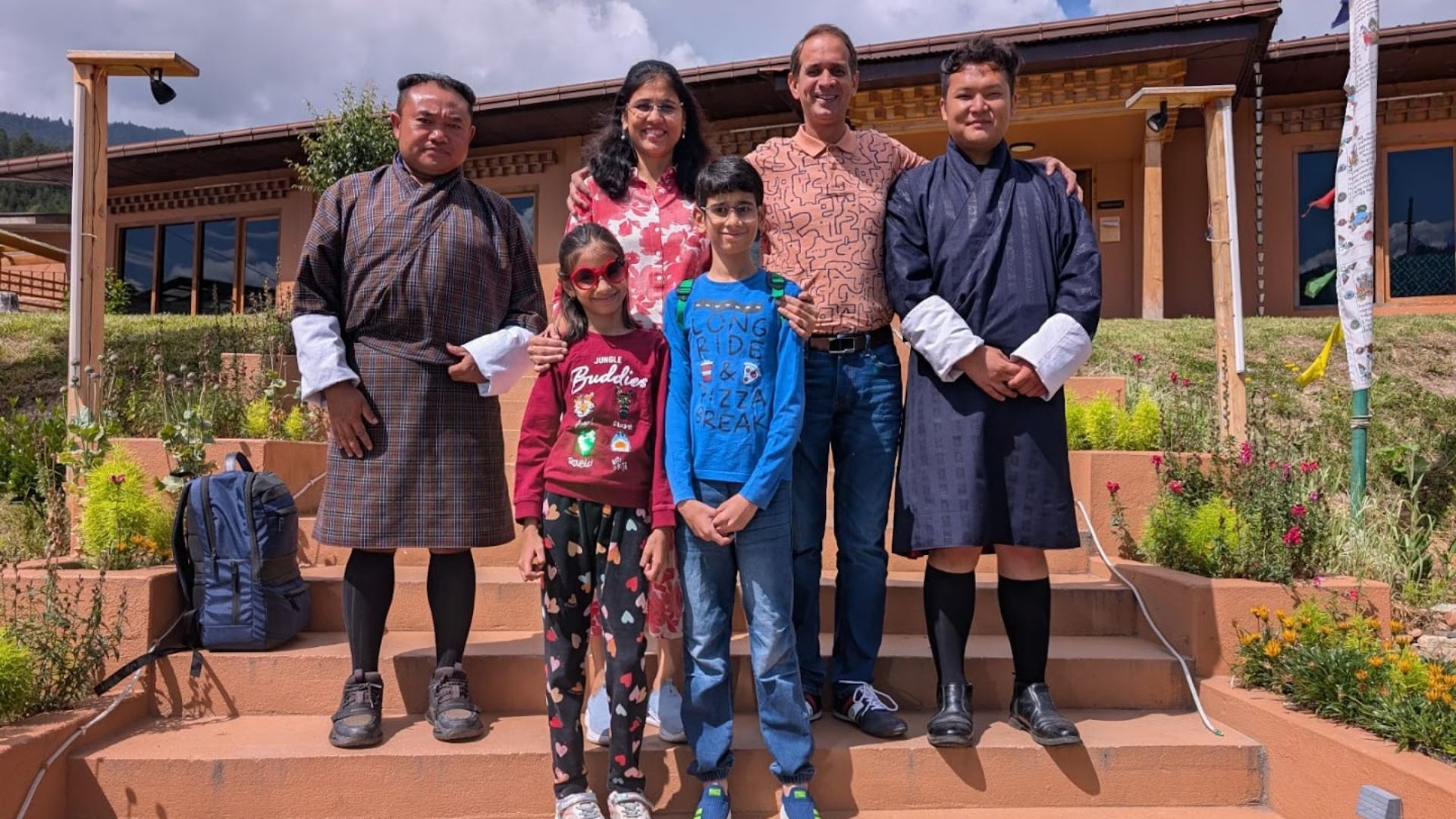
We had a completely smooth trip. Special mention to Ankit ji for the well executed tour. We will definitely plan our next trip with TourismBharat. Our guide Sanghe Dorji and driver Kinley were extremely good. They helped us with the immigration, check ins and sightseeing throughout the trip. Thank you Ankit ji and the whole team.
— Dr Mudita Sharma
Luxury vs. Budget: Exploring Bhutan’s Accommodation Options
Bhutan offers a range of accommodations from cozy homestays and comfortable 3-star hotels (often included in the SDF-inclusive tour package for international tourists) to opulent 5-star resorts. Budget options focus on clean, basic amenities, while luxury properties provide world-class services, spa facilities, and stunning views, allowing travelers to choose an experience that aligns with their comfort level and spending capacity within their Bhutan holiday package.
Bhutan’s “High-Value” tourism policy doesn’t restrict choice in accommodation; rather, it ensures a certain standard of service regardless of your budget. International tourists’ SDF-inclusive packages usually mandate a minimum of 3-star accommodation, but options abound for all preferences.
Budget-Friendly Options
For those mindful of costs, Bhutan offers charming, clean, and comfortable guesthouses and local hotels. These options provide essential amenities and a cosy atmosphere, often run by local families, offering a more intimate cultural experience.
- Homestays: A fantastic way to experience local life, though less common for international tourists due to regulatory requirements. Can be arranged for specific cultural immersion programs.
- Local Hotels (3-star): These form the backbone of most standard tour packages. They offer comfortable rooms, often with traditional Bhutanese decor, good dining, and reliable service.
Mid-Range Comfort
The majority of Bhutan holiday packages fall into this category, offering a blend of comfort and authentic experience. These hotels (typically 3-4 star) provide modern conveniences, good dining options, and often feature Bhutanese architectural elements.
Luxury & High-End Resorts
Bhutan is home to some exquisite luxury resorts, renowned for their stunning locations, impeccable service, and unique blend of traditional Bhutanese design with contemporary amenities. Brands like Aman, COMO, and Six Senses offer unparalleled experiences, often with private villas, spas, and gourmet dining.
- Amenities: Expect stunning views, world-class dining, spa and wellness facilities, and highly personalised service.
- Cost: A significant portion of the luxury package cost will go towards these premium accommodations, elevating the overall journey.
Budget & Category Breakdown (Per Person Per Day, excluding flights)
| Category | Accommodation | Inclusions/Exclusions (typical) | Approx. Daily Cost (USD) (Incl. SDF, Guide, Transport, Meals) |
Approx. Daily Cost (INR) (for Regional Tourists, excl. Int. SDF) |
|---|---|---|---|---|
| Budget | Homestays / Guesthouses / Basic 3-star | Basic room, local meals, shared transport (for regional), minimal frills. | ~ $200-250 (International) | ~ ₹8,000-12,000 (Regional) |
| Mid-Range | Comfortable 3-star / Standard 4-star | Well-appointed room, varied meals, private AC vehicle, licensed guide. | ~ $300-450 (International) | ~ ₹15,000-25,000 (Regional) |
| Luxury | Premium 5-star Resorts / Boutique Hotels | Deluxe rooms/suites, gourmet dining, spa access, premium vehicle, expert guide. | ~ $600+ (International) | ~ ₹30,000+ (Regional) |
Note: These are approximate daily costs per person. Actual prices vary based on seasonality, specific hotels chosen, and detailed itinerary inclusions. The international SDF of $100/night is a significant component of the “International” costs. For regional tourists, the SDF is lower, hence the lower INR range.
Bhutanese Cuisine: A Gastronomic Journey Through the Land of the Thunder Dragon
Bhutanese cuisine is distinctively spicy and wholesome, centered around red rice and an abundance of chillies and cheese. Signature dishes include Ema Datshi (chillies and cheese stew), Kewa Datshi (potato and cheese), Phaksha Paa (pork stew with radishes and chillies), and Jasha Maru (minced chicken curry). Local beverages like Suja (butter tea) and Ara (fermented rice or maize wine) complete a unique gastronomic experience, often enjoyed through farm-to-table meals.
Bhutanese cuisine is an adventure in itself, known for its fiery spice levels and comforting, hearty flavours. Rooted in local produce, it offers a fascinating insight into the country’s agricultural heritage.
Signature Bhutanese Dishes
- Ema Datshi: The national dish, a vibrant stew of chillies (ema) and local cheese (datshi). It comes in various forms, from mildly spicy to intensely hot.
- Kewa Datshi: A milder version of Datshi, featuring potatoes (kewa) instead of chillies, often with green beans.
- Shamu Datshi: Mushrooms (shamu) cooked with cheese.
- Phaksha Paa: Pork stewed with radishes or turnip greens and a generous amount of chillies. Dried pork is often used for a richer flavour.
- Jasha Maru: A delicate minced chicken curry, often served with rice.
- Red Rice: A staple, nutty and slightly chewy, grown in the fertile valleys of Bhutan. It often accompanies every meal.
- Hoentey: Buckwheat dumplings, especially popular in Haa Valley, usually filled with turnip greens, cheese, and sometimes meat.
Local Beverages & Culinary Experiences
- Suja: The traditional Bhutanese butter tea, salty and creamy, is a staple, especially in colder regions and during traditional ceremonies.
- Ara: A local alcoholic beverage, typically made from fermented rice, maize, or wheat. It can be potent and is often served warm, sometimes with added butter or egg.
- Doma (Areca Nut & Betel Leaf): While not food, chewing doma is a widespread social custom. Be aware of the red residue it leaves.
Many Bhutanese meals are served ‘family-style’ on a central platter, encouraging communal dining. Opt for farm-to-table experiences or local eateries to truly savour the authentic flavours of Bhutan.
Cultural Etiquette & Local Customs: Respecting Bhutan’s Traditions
Respecting Bhutanese cultural etiquette is crucial for a meaningful visit. When entering temples, Dzongs, or homes, remove your shoes and hats, and ensure your shoulders and knees are covered (dress code). Always move clockwise (circumambulate) around stupas, prayer wheels, and other sacred objects. Offerings (small donations) are appreciated at temples. Greet locals politely, avoid public displays of affection, and always ask permission before photographing people.
Bhutan is a deeply spiritual and culturally conservative nation. Adhering to local customs and etiquette is not only respectful but also enhances your experience, allowing for deeper interactions with the Bhutanese people and their way of life.
Dress Code for Sacred Sites
- Dzongs, Temples, and Monasteries: When visiting any religious site, a respectful dress code is mandatory. Ensure your shoulders and knees are covered. Avoid sleeveless tops, shorts, skirts above the knee, and flip-flops. Wear long trousers or skirts/dresses and shirts with sleeves. Hats must be removed upon entering.
- Formal Attire: Locals wear their traditional Gho (for men) and Kira (for women) on formal occasions and when visiting Dzongs. While not expected of tourists, observing this tradition highlights its importance.
Behaviour at Religious Sites
- Circumambulation: Always walk clockwise around stupas, chortens, prayer wheels, and other sacred objects.
- Offerings: Small cash offerings at temples are common and appreciated, contributing to the upkeep of the monasteries.
- Photography: Photography is often restricted inside prayer halls of temples and Dzongs. Always look for signs or ask your guide for permission.
- Silence: Maintain a respectful silence, especially in prayer halls.
Interacting with Locals
- Greetings: A polite greeting, a nod, or a simple “Kuzu Zangpo La” (hello) is always appreciated.
- Respect for Elders and Monks: Show particular deference to monks and elders. When passing a monk or elder, it’s customary to lower your head slightly.
- Public Displays of Affection: Avoid overt public displays of affection.
- Photography of People: Always ask for permission before photographing individuals, especially children or monks.
- Don’t Point with Your Feet: It is considered rude to point your feet towards people or religious objects.
- Giving Alms: If you wish to give alms to monks or beggars, do so discreetly.
Your guide will provide specific advice throughout your journey, ensuring you navigate cultural nuances with ease and respect.
Top 10 Must-Do Experiences in Bhutan (Beyond Tiger’s Nest)
Beyond the iconic Tiger’s Nest, Bhutan offers a wealth of unique experiences, including exploring the majestic Punakha Dzong, witnessing the grandeur of Buddha Dordenma, discovering the serene beauty of Haa Valley or Phobjikha Valley (for Black-necked Cranes), and immersing in local culture through festivals, craft workshops, and traditional hot stone baths. These activities provide a deeper insight into Bhutan’s spiritual, natural, and artistic heritage.
While the pilgrimage to Tiger’s Nest (Paro Taktsang) is undoubtedly a highlight, Bhutan is filled with countless other wonders. Here are 10 must-do experiences that will enrich your Bhutan holiday package:
- Hike to Paro Taktsang (Tiger’s Nest Monastery): A breathtaking spiritual journey to Bhutan’s most iconic monastery, perched on a cliffside. Essential for all visitors.
- Explore Punakha Dzong: Often considered the most beautiful Dzong in Bhutan, strategically located at the confluence of two rivers. Its grand architecture and vibrant history are captivating.
- Witness Buddha Dordenma: Visit the colossal Buddha statue overlooking the Thimphu Valley, offering panoramic views and a sense of serenity.
- Wander Through Thimphu’s Cultural Gems: Explore the capital’s attractions like the National Memorial Chorten, Folk Heritage Museum, Zilukha Nunnery, and the vibrant Weekend Market.
- Cross Dochula Pass: Marvel at the 108 stupas (Druk Wangyal Chortens) and, on a clear day, enjoy panoramic views of the Eastern Himalayas.
- Discover the Serene Haa Valley: A lesser-known “hidden gem,” this pristine valley offers traditional Bhutanese village life, ancient temples, and stunning natural beauty away from the main tourist circuit.
- Visit Phobjikha Valley for Black-necked Cranes: In winter, this vast U-shaped glacial valley is the winter home for the endangered Black-necked Cranes. It’s a significant wetland and a conservation hotspot.
- Experience a Tsechu Festival: If your visit coincides, attend a local Tsechu (e.g., Paro Tsechu, Thimphu Tsechu, Punakha Drubchen). These vibrant religious festivals are a feast for the senses with mask dances and elaborate costumes.
- Indulge in a Traditional Hot Stone Bath: Relax and rejuvenate in a traditional Bhutanese hot stone bath (Dotsho), believed to have medicinal properties from the mineral-rich river stones and local herbs.
- Explore Local Craft Workshops & Markets: Visit the Institute for Zorig Chusum (School of 13 Arts and Crafts) in Thimphu, or explore local weaving centres (e.g., in Bumthang or Thimphu) and weekend markets to discover exquisite Bhutanese handicrafts and textiles.
Bhutan Trekking & Adventure: Routes, Permits & Altitude Advice
While major towns like Thimphu (2,334m) and Paro (2,200m) are at moderate altitudes, some treks and passes in Bhutan exceed 3,000m, presenting altitude sickness risks. Prevent it by ascending gradually, staying hydrated, avoiding alcohol, and acclimatizing. Popular treks include Druk Path and Jomolhari, requiring specific permits arranged through your tour operator, ensuring safety and compliance in the remote wilderness.
For the adventurous spirit, Bhutan offers some of the most pristine and challenging trekking routes in the Himalayas. Beyond cultural tours, adventure packages cater to trekkers, mountain bikers, and nature enthusiasts.
Key Trekking Routes
- Druk Path Trek: A popular 5-day trek from Paro to Thimphu, passing high-altitude lakes and offering stunning views of Mount Gangkar Puensum. Moderate difficulty.
- Jomolhari Trek: A more challenging 7- to 10-day trek to the base of Mount Jomolhari, featuring high passes, remote villages, and diverse ecosystems.
- Laya Gasa Trek: A strenuous, remote trek through pristine wilderness, offering cultural encounters with the semi-nomadic Laya people.
- Snowman Trek: One of the world’s most challenging treks, crossing numerous high passes and taking over 20 days. Only for experienced and well-prepared trekkers.
Permits for Treks
All treks in Bhutan require specific permits in addition to your standard entry permit and visa. These are arranged by your tour operator and include park entry fees and sometimes special permits for restricted areas. It’s crucial to have these in order before commencing your trek.
Altitude Considerations & Prevention
Bhutan’s altitude can pose challenges, especially on treks. Awareness and prevention are key:
- Town Elevations:
- Paro: ~2,200m (7,218 ft)
- Thimphu: ~2,334m (7,657 ft)
- Punakha: ~1,250m (4,101 ft) – lower altitude, warmer climate.
- Haa Valley: ~2,670m (8,760 ft)
- Bumthang: ~2,600m (8,530 ft)
- Dochula Pass: ~3,100m (10,171 ft)
- Altitude Sickness Risks: While major towns are at moderate altitudes, some treks and mountain passes (e.g., Druk Path, Jomolhari) can easily exceed 3,000m, and even 5,000m.
- Prevention Strategies:
- Ascend Gradually: Allow your body to acclimatise. Your itinerary should include rest days or easier activities at lower altitudes before moving higher.
- Stay Hydrated: Drink plenty of water. Avoid alcohol and excessive caffeine, which can dehydrate you.
- Eat Lightly: Opt for carbohydrates and avoid heavy, fatty meals.
- Listen to Your Body: Pay attention to symptoms like headache, nausea, dizziness, or unusual fatigue. Report any symptoms to your guide immediately.
- Consider Medication: Consult your doctor about prophylactic medication like Diamox, especially if you have a history of altitude sickness or plan high-altitude treks.
- Descend if Symptoms Worsen: The most effective treatment for severe altitude sickness is descent.
All trekking packages with TourismBharat include experienced guides who are trained in high-altitude safety and first aid.
Responsible Tourism in Bhutan: Travel with Purpose
Bhutan champions responsible tourism through its ‘High-Value, Low-Volume’ policy and the Sustainable Development Fee (SDF), ensuring visitors contribute directly to the nation’s welfare and conservation. Travellers can further enhance positive local impact by respecting cultural norms, supporting local craftspeople and businesses, minimizing waste, conserving resources, and engaging respectfully with communities, thus preserving Bhutan’s unique identity for future generations.
Bhutan is a global pioneer in responsible tourism, and choosing a Bhutan holiday package means you are inherently supporting a sustainable travel model. Your journey contributes to preserving this unique kingdom.
The ‘High-Value, Low-Volume’ Ethos
Bhutan’s tourism policy is designed to attract discerning travellers who appreciate the country’s pristine environment and rich culture, rather than mass tourism. The SDF directly funds initiatives that benefit the entire Bhutanese population and its environment, ensuring that tourism is a force for good.
Your Role as a Responsible Traveller
As a visitor, you play a vital part in upholding Bhutan’s commitment to sustainability:
- Respect Culture and Traditions: Adhere to cultural etiquette, dress codes, and local customs, especially at religious sites.
- Support Local Businesses: Purchase locally made crafts, dine at local restaurants, and choose tour operators who prioritise local employment and sourcing. Your TourismBharat package inherently supports local guides, drivers, and hoteliers.
- Minimise Environmental Impact:
- Reduce Waste: Carry a reusable water bottle, avoid single-use plastics, and dispose of waste responsibly.
- Conserve Resources: Be mindful of water and electricity consumption at your accommodations.
- Stay on Marked Trails: Especially during treks, to protect fragile ecosystems.
- Engage Respectfully: Interact with locals with an open mind and heart. Ask for permission before taking photos, and be mindful of your impact on their daily lives.
- Learn and Appreciate: Take the time to understand Bhutanese philosophy, environmental efforts, and conservation successes.
By travelling responsibly, you help ensure that Bhutan remains a pristine and culturally rich destination for generations to come.
Frequently Asked Questions (FAQs) About Bhutan Travel
Common questions about Bhutan travel include requirements for the Sustainable Development Fee (SDF) and visa process, optimal visiting seasons for festivals or treks, entry points via Paro International Airport or Phuntsholing land border, and altitude sickness prevention measures for elevated destinations. Other FAQs cover local currency, safety, the necessity of a licensed guide, and connectivity options for a smooth and informed journey.
Q1: Is Bhutan a safe country to visit?
Absolutely. Bhutan is widely regarded as one of the safest countries in the world for tourists. Crime rates are extremely low, and the local people are warm, friendly, and welcoming. As always, common sense precautions apply.
Q2: What currency is used in Bhutan?
The local currency is the Bhutanese Ngultrum (BTN), which is pegged to the Indian Rupee (INR). Indian Rupees are widely accepted, especially 100 and 500 Rupee notes. Major credit cards are accepted in most hotels and larger shops, but it’s advisable to carry some cash for smaller purchases and remote areas. ATMs are available in major towns like Thimphu and Paro.
Q3: Do I need a guide to travel in Bhutan?
For international tourists (non-Indian/Bangladeshi/Maldivian nationals), it is mandatory to travel with a licensed Bhutanese tour guide. This is part of Bhutan’s managed tourism policy, ensuring you have a knowledgeable local escort and that your itinerary and logistics are handled professionally. Regional tourists have more flexibility, but hiring a guide is highly recommended for a richer experience.
Q4: What about internet and mobile connectivity?
Internet access (Wi-Fi) is available in most hotels, though it might be slower in remote areas. Local SIM cards (Bhutan Telecom or TashiCell) are readily available upon arrival, offering good 4G coverage in major towns and along main highways. Your guide can assist you in purchasing a SIM card.
Q5: Can I customise my Bhutan holiday package?
Yes, absolutely! At TourismBharat.com, we specialise in tailor-made itineraries. You can customise your package to include specific interests, preferred accommodation styles, activity levels, and duration. Contact our travel specialists to design your ideal Bhutan adventure.
Q6: Are there vegetarian food options available?
Yes, vegetarianism is very common in Bhutan due to the Buddhist faith, so vegetarian options are readily available and delicious. Many dishes are inherently vegetarian or can be easily adapted.
Q7: What is the power voltage in Bhutan?
Bhutan uses 230V, 50Hz. The power sockets are typically Type D and Type G. It’s advisable to carry a universal travel adapter.
A journey to Bhutan is more than just a holiday; it’s an opportunity for profound discovery and spiritual rejuvenation. With its unwavering commitment to preserving its natural beauty and cultural heritage, Bhutan offers an escape into a world where tradition thrives, and happiness is paramount. From the awe-inspiring peaks to the tranquil valleys, every moment in the Land of the Thunder Dragon promises to be a cherished memory.
At TourismBharat, we are dedicated to crafting your perfect Bhutanese adventure, handling every detail so you can immerse yourself fully in the magic of this extraordinary kingdom. Whether you seek thrilling treks, cultural deep dives, serene wellness retreats, or unforgettable family fun, our expert team is here to guide you.
PLAN YOUR UNFORGETTABLE BHUTAN ADVENTURE WITH TOURISMBHARAT!
Ready to experience the Land of the Thunder Dragon? Let TourismBharat be your trusted partner. Explore our diverse Bhutan holiday packages or leverage our expertise to create a fully customized itinerary tailored to your unique desires. Request a personalized quote, book verified flights and hotels, or speak directly with one of our experienced Bhutan travel specialists today. Your journey to happiness begins here.