 CHAT WITH US NOW!

Bali or Thailand? Which country’s beaches should you explore and why? Here’s your detailed beach showdown guide by our travel expert. Know about activities, adventures, coastal wonders, accommodation analysis, food, logistics, hidden gems, packing essentials required for both places, and much more.
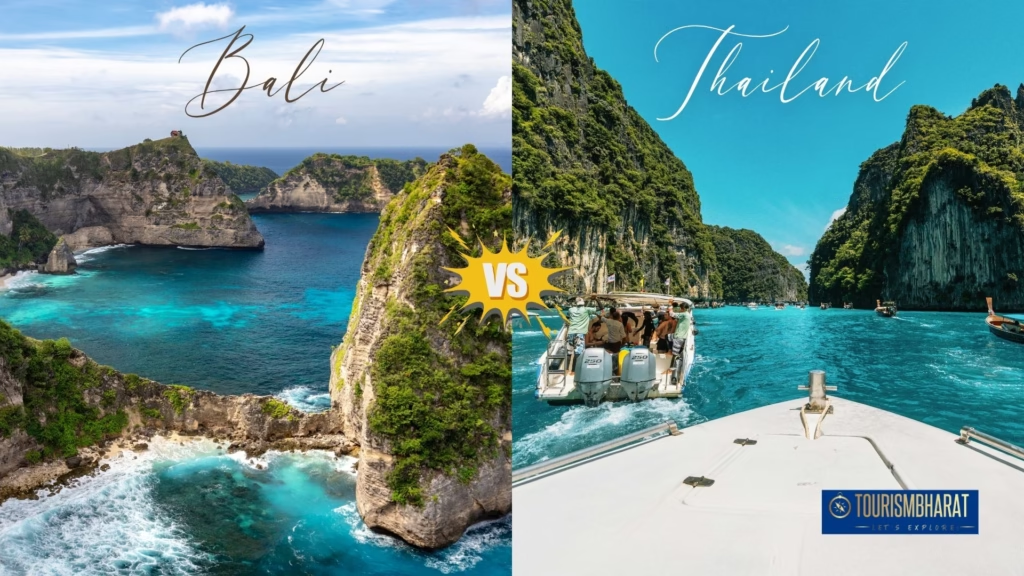
The allure of Southeast Asia’s sun-kissed shores is undeniable, but when it comes to choosing between the spiritual serenity of Bali and the vibrant coastlines of Thailand, many travellers find themselves at a blissful crossroads. We, at TourismBharat, understand that choosing could be confusing, especially when you want to choose one beach escape that better aligns with your expectations.
We’ve charted the sands, surf, and cultural currents of both these iconic destinations to help you craft your perfect beach escape. From the legendary surf breaks of Uluwatu to the pristine limestone karsts of Krabi, this guide is your definitive compass for navigating the best beach destinations in Bali versus Thailand.
Bali’s Beach Guide: Best Shores for Every Mood
Bali offers a diverse range of beaches, from world-class surf breaks with dramatic cliff views in Uluwatu to the calm, family-friendly sands of Sanur. Kuta and Seminyak are vibrant hubs with lively atmospheres, while Nusa Islands provide pristine waters for snorkeling and diving. Micro-climates mean the dry season (April-October) is generally best for surfing on the west coast and exploring, though east coast beaches often remain calm year-round.
Bali, the “Island of the Gods,” casts a spell with its unique blend of spiritual culture, volcanic landscapes, and incredible coastline. Each beach here tells a different story, catering to varied traveller moods.
- Southern Bali (Batu Bolong, Echo Beach, Canggu): A mecca for digital nomads, surfers, and health enthusiasts. These black sand beaches offer consistent surf breaks for intermediate to advanced riders, vibrant beach clubs, and an abundance of organic cafes. Expect lively crowds and stunning sunsets.
- Seminyak Beach: Known for its upscale resorts, trendy boutiques, and chic beachfront restaurants. The waves are generally softer than Canggu, making it suitable for beginner surfers, but its main draw is the sophisticated atmosphere and famous sunset lounges.
- Kuta Beach: Bali’s original tourist hub, offering long stretches of sand perfect for beginner surf lessons and bustling nightlife. While popular, it can be crowded, but its accessibility and amenities make it a staple for many first-time visitors.
- Sanur Beach: A tranquil haven on Bali’s east coast, characterised by calm, shallow waters protected by a reef. It’s perfect for families with young children, paddleboarding, cycling along its paved beachfront path, and witnessing breathtaking sunrises. The micro-climate here often offers calm conditions even when the west coast is rough.
- Uluwatu & Bukit Peninsula (Padang Padang, Bingin, Suluban): Home to Bali’s most iconic surf breaks, these beaches are framed by dramatic limestone cliffs and ancient temples. Padang Padang offers hollow barrels for experienced surfers, while Bingin provides consistent waves and a relaxed vibe. Suluban (Blue Point) is famed for its cave entrance leading to world-class reef breaks. These areas also offer incredible cliff-top dining with unparalleled views.
- Nusa Islands (Nusa Penida, Nusa Lembongan, Nusa Ceningan): A short boat ride from Bali, these islands boast spectacular pristine beaches like Kelingking Beach, Crystal Bay, and Dream Beach. They are renowned for dramatic cliffs, hidden coves, and incredible opportunities for snorkelling and diving with manta rays and mola-mola (oceanic sunfish). Accessing some of these requires navigating winding, often rugged, coastal roads.
Thailand’s Coastal Wonders: Andaman vs. Gulf Coast Beaches
Thailand’s beaches are largely divided into the Andaman Sea (west) and Gulf of Thailand (east) coasts, each with distinct characteristics and ideal visiting seasons. The Andaman coast, boasting Phuket, Krabi, and Phi Phi, offers dramatic limestone karsts and emerald waters, best from November to February. The Gulf coast, home to Koh Samui, Koh Phangan, and Koh Tao, features calmer, often shallower waters, with its prime season running from May to September.
Thailand’s coastline is a tapestry of white sands, towering limestone cliffs, and turquoise waters, divided into two primary regions, each offering a unique charm.
Andaman Sea Coast (November – February Peak Season)
The Andaman coast is famed for its iconic karst landscapes and vibrant marine life.
- Phuket: Thailand’s largest island, offering everything from lively Patong Beach with its bustling nightlife to the serene stretches of Kata, Karon, and Surin, which are more family-friendly and offer good swimming and snorkelling. Patong is known for its wide sandy bay, while Kata and Karon offer gentler waves.
- Krabi (Ao Nang, Railay Beach): Ao Nang serves as the gateway to Krabi’s stunning islands and beaches. Railay Beach, accessible only by longtail boat, is a climber’s paradise and boasts breathtaking scenery with its towering cliffs, lush jungle, and pristine waters, including Phra Nang Cave Beach.
- Phi Phi Islands: The superstar archipelago, including Maya Bay (famous from “The Beach” movie) and Loh Dalum Bay. Offers dramatic scenery, vibrant party scenes, and excellent snorkelling and diving. Note: Maya Bay often requires specific entry permits and conservation fees for access.
- Koh Lanta: A more relaxed alternative, ideal for families and those seeking tranquillity. Its long, uncrowded beaches like Long Beach and Klong Dao offer calm waters, perfect for swimming and enjoying a slower pace of life.
- Similan Islands: A designated marine national park, open seasonally (typically November-May), renowned as one of the world’s top diving and snorkelling sites, boasting incredible visibility and diverse marine life, including whale sharks and manta rays. Access requires a permit and often an organised tour.
Gulf of Thailand Coast (May – September Peak Season)
The Gulf coast generally experiences its best weather when the Andaman is in monsoon, making it a great alternative.
- Koh Samui: A larger island offering a mix of luxury resorts, lively Chaweng Beach, and quieter Lamai and Bophut beaches. Chaweng is bustling with shopping and dining, while Bophut’s Fisherman’s Village offers a more charming, traditional atmosphere.
- Koh Phangan: Globally famous for its Full Moon Parties at Haad Rin, but also home to secluded coves like Bottle Beach and Than Sadet, offering yoga retreats, wellness sanctuaries, and pristine natural beauty away from the party scene.
- Koh Tao: A diver’s paradise, recognised for its affordable PADI certifications and abundant marine life in calm, clear waters. Sairee Beach is the main hub, but numerous smaller bays offer excellent snorkelling and freediving.
Diving & Snorkelling Showdown: Where to Find the Best Marine Life
Both Bali and Thailand excel in marine life, but with different highlights. Bali’s Nusa Penida is famous for reliable manta ray sightings and occasional mola-mola, while Thailand’s Andaman Sea, particularly the Similan and Surin Islands, is a world-renowned hotspot for whale sharks and vibrant coral reefs, requiring marine park fees. Thailand generally offers more extensive dive sites for experienced divers.
The underwater worlds of Bali and Thailand are equally mesmerising, offering distinct experiences for snorkelers and divers.
- Bali:
- Nusa Penida & Lembongan: The undisputed champions for marine encounters. Manta Point and Manta Bay on Nusa Penida offer almost guaranteed sightings of majestic manta rays. Crystal Bay is famous for the elusive Mola-Mola (oceanic sunfish) during July-October. Expect varied reef health and strong currents in some areas.
- Tulamben: Home to the USS Liberty shipwreck, teeming with marine life, making it a popular shore dive and snorkel site, suitable for all levels.
- Amed: Offers calm, clear waters and healthy coral gardens, ideal for beginners and relaxed drift dives.
- Permits: No specific permits required for general snorkelling, but guided dive tours will include any necessary fees.
- Thailand:
- Andaman Sea (Similan & Surin Islands): Consistently ranked among the top dive sites globally. These national marine parks boast exceptional visibility, diverse hard and soft corals, and a high probability of spotting whale sharks, leopard sharks, and massive schools of fish. Access is controlled, and a national park entrance fee of approximately 500-700 THB is typically included in liveaboard or day trip packages.
- Koh Tao: Known as one of the cheapest places in the world to get PADI certified. Its calm, shallow bays are perfect for beginners, while Chumphon Pinnacle and Sail Rock offer advanced dives with potential for whale sharks.
- Phi Phi Islands: Excellent for snorkelling around Bamboo Island and Phi Phi Leh, with abundant reef fish and vibrant coral patches.
- Permits: National Park fees (e.g., Similan Islands, Phi Phi Leh’s Maya Bay) are often mandatory and typically collected by tour operators.
Surf’s Up! Bali vs. Thailand for Wave Riders
Bali stands as Southeast Asia’s premier surf destination, particularly during its dry season (April-October) when the west coast (Uluwatu, Canggu) offers consistent swells for all levels. Thailand, while having some smaller breaks, is not a primary surf destination. Bali’s consistent waves and established surf culture make it the superior choice for wave riders, offering varied breaks from gentle beach breaks to challenging reef points.
For those chasing the perfect wave, the choice is clear:
- Bali: The Surfer’s Paradise
- Seasonality: Best during the dry season (April-October) for the west coast (Uluwatu, Canggu, Kuta, Seminyak), which gets consistent groundswells. The wet season (November-March) sees smaller, but still rideable, waves on the east coast (Sanur reef, Keramas).
- Beginners: Kuta and Seminyak offer soft, sandy beach breaks and numerous surf schools with experienced instructors.
- Intermediates: Batu Bolong (Canggu) and Berawa provide consistent, mellow waves. Padang Padang Right is also good on smaller swells.
- Advanced/Experts: Uluwatu, Padang Padang Left, Bingin, and Impossibles on the Bukit Peninsula challenge even seasoned pros with their powerful reef breaks and barrels. These spots often feature incredible cliff views from the water.
- Equipment & Lessons: Abundant surf shops for rentals ($5-10/day) and lessons ($30-50/hour or group session).
- Thailand: Minor Waves, Major Charm
- Seasonality: Surf season is generally during the monsoon (May-October), particularly on the Andaman coast.
- Spots: Phuket (Kata, Kamala, Patong) and Koh Lanta offer small, inconsistent beach breaks suitable for absolute beginners or longboarders. These are often more “fun waves” than serious surfing.
- Equipment & Lessons: Fewer dedicated surf schools, but some beach vendors offer board rentals. Lessons are available but less structured than in Bali.
Beyond the Sand: Unique Beach Activities & Adventures
Beyond traditional beach activities, Bali uniquely offers coastal temple visits (e.g., Uluwatu Temple at sunset), holistic wellness retreats, and vibrant local markets near its shores. Thailand excels in iconic longtail boat island hopping, rock climbing on limestone karsts (Railay), and ethical elephant sanctuaries often combined with coastal tours. Both offer excellent watersports and culinary experiences.
Your tropical escape isn’t just about lounging. Both destinations offer a plethora of adventures:
- Bali:
- Coastal Temple Tours: Witness traditional Balinese culture by visiting iconic sea temples like Tanah Lot or Uluwatu Temple, perched dramatically on cliffs, especially magical at sunset with Kecak dance performances. Remember to dress modestly (sarong and sash provided or bring your own) when visiting temples.
- Wellness Retreats: Many beachside resorts offer yoga, meditation, and holistic healing programs, particularly around Canggu, Seminyak, and Ubud.
- Cooking Classes: Learn to prepare authentic Balinese dishes like Nasi Goreng or Satay Lilit, often incorporating fresh seafood from coastal markets.
- Rice Paddy Cycling: While not directly on the beach, many coastal areas offer access to nearby scenic rice paddies for cycling tours.
- Cliff Jumping: For the adventurous, some spots on Nusa Ceningan offer cliff jumping, though always assess safety and local conditions.
- Thailand:
- Island Hopping by Longtail Boat: The quintessential Thai beach experience, exploring hidden lagoons, snorkelling spots, and secluded islands from Krabi, Phuket, or Koh Lanta. Fees for these tours vary from 500-2000 THB depending on duration and destination.
- Rock Climbing: Railay Beach in Krabi is world-renowned for its limestone cliffs, offering routes for all skill levels, from beginner to advanced.
- Sea Kayaking/Canoeing: Explore hidden caves and mangrove forests in Phang Nga Bay or around Krabi.
- Ethical Elephant Sanctuaries: Many coastal regions, particularly in Phuket and Krabi, offer opportunities to visit and support ethical elephant sanctuaries, often combined with beach excursions.
- Muay Thai Training: Popular in Phuket and Koh Samui, join a beachside gym for a fitness experience or to learn the basics of Thailand’s national sport.
Your Tailored Beach Escape Awaits with TourismBharat!
Whether you dream of a romantic Bali honeymoon, an adventurous family getaway to Thailand’s islands, or a corporate retreat with team-building on pristine sands, Tourism Bharat crafts bespoke itineraries. Explore our recommended luxury resorts, budget-friendly hostels, and multi-destination beach packages designed for every traveler type.
Beachfront Bliss: Accommodation Comparison – Luxury to Budget
Thailand generally offers better value for money for budget-friendly beach holidays, with an abundance of cheap guesthouses and street food, especially in less touristy areas. While Bali can be budget-friendly, its popular beach towns often have slightly higher baseline costs. Both destinations excel in luxury offerings, but Bali often leans towards boutique, private villa experiences, while Thailand boasts grander resort complexes.
From opulent villas to rustic bungalows, both destinations cater to all budgets, though their pricing structures and offerings can differ.
Bali Accommodation Landscape:
- Luxury: Expect world-class resorts with private pools, personalised service, and stunning ocean views. Areas like Seminyak, Uluwatu, and Nusa Dua are hotspots for high-end stays (e.g., The Ritz-Carlton, Alila Villas Uluwatu). Many offer private villas, which are perfect for honeymooners or corporate retreats seeking exclusive spaces.
- Mid-Range: Ubiquitous across popular areas like Canggu, Seminyak, and Ubud, offering stylish boutique hotels, guesthouses with pools, and comfortable villas.
- Budget: Abundant hostels (often with surf camp vibes), homestays, and basic guesthouses are available, especially in Kuta, parts of Canggu, and the Nusa Islands. Excellent value for backpackers.
Thailand Accommodation Landscape:
- Luxury: Grand resort complexes with extensive facilities are common, particularly in Phuket, Koh Samui, and Krabi (e.g., Banyan Tree Phuket, Four Seasons Koh Samui). Offers extensive amenities for families and large groups, including MICE events.
- Mid-Range: A vast selection of comfortable hotels, guesthouses, and bungalows across all major islands and coastal towns, providing excellent value.
- Budget: Thailand truly excels here, with an incredible array of basic guesthouses, hostels, and bungalows available for very low prices, especially away from the main tourist strips. This contributes to Thailand often being considered more budget-friendly overall.
Here’s a general daily cost breakdown for beach holidays:
| Category | Bali (USD) | Bali (INR) | Thailand (USD) | Thailand (INR) |
|---|---|---|---|---|
| Budget (Hostels/Guesthouses, Street Food, Local Transport) | $25-50 | ₹2,000-4,000 | $20-40 | ₹1,600-3,200 |
| Mid-Range (Boutique Hotel/Villa, Restaurant Meals, Some Tours) | $70-150 | ₹5,600-12,000 | $60-120 | ₹4,800-9,600 |
| Luxury (5-star Resort/Private Villa, Fine Dining, Exclusive Tours) | $200+ | ₹16,000+ | $180+ | ₹14,400+ |
Note: These are estimates for accommodation, food, and basic activities. Specific activity costs: In Bali, a surf lesson is $30-50 USD, and a snorkelling trip to Nusa Islands is $40-70 USD. In Thailand, a full-day island hopping tour (e.g., Phi Phi from Phuket/Krabi) ranges from $50-100 USD, and a beginner dive experience is $70-120 USD. Prices vary by operator, duration, and inclusions.
Feast by the Sea: Iconic Beach Food & Drink Experiences
Both Bali and Thailand offer incredible beachside culinary experiences. Bali excels with its fresh seafood BBQs on Jimbaran Beach and robust Indonesian flavors like Nasi Goreng, often enjoyed in chic beachfront cafes. Thailand, however, boasts a more pervasive street food culture, with Pad Thai, curries, and sticky rice available cheaply at almost every beach, alongside vibrant fresh seafood markets and informal eateries.
Dining by the ocean is a highlight of any tropical holiday:
- Bali:
- Jimbaran Seafood BBQ: A quintessential Bali experience. Choose your fresh catch (fish, prawns, squid, lobster) from tanks, and have it grilled over coconut husks right on the beach as the sun sets.
- Beachfront Cafes & Warungs: Enjoy traditional Indonesian dishes like Nasi Goreng (fried rice), Mie Goreng (fried noodles), and Sate Lilit (minced seafood satay) at casual eateries, or indulge in global cuisine at upscale beach clubs.
- Smoothie Bowls & Health Cafes: Especially popular in Canggu and Seminyak, offering healthy, vibrant meals.
- Thailand:
- Street Food Galore: Thailand’s street food scene is legendary and incredibly accessible even on beaches. Feast on Pad Thai, Green Curry, Tom Yum Goong, Som Tum (papaya salad), and fresh fruit shakes from countless vendors.
- Fresh Seafood Markets: In places like Phuket’s Rawai Beach or Krabi, you can buy fresh seafood directly from fishermen and have it cooked at nearby restaurants for a nominal fee.
- Beachside Restaurants: From simple bamboo shacks serving authentic Thai cuisine to international fine dining, options are plentiful.
- Pancakes & Roti: Sweet or savoury, these roadside treats are a must-try for a quick bite.
Family Fun on the Coast: Kid-Friendly Beaches & Resorts
Both Bali and Thailand offer excellent family-friendly beaches and activities. Bali’s Sanur is a standout with its calm, shallow waters, dedicated beachfront path, and many resorts offering kids’ clubs. Thailand’s Koh Lanta also features gentle waves and a relaxed atmosphere, while Phuket’s Kata Beach and Krabi’s Ao Nang provide strong amenities. Bali often has more dedicated family-oriented resorts with extensive children’s programs.
Planning a beach holiday with little ones requires specific considerations:
- Bali:
- Sanur: The undisputed champion for families. Its reef-protected lagoon ensures calm, shallow waters ideal for toddlers. The paved promenade is perfect for strollers and cycling. Many resorts here, like the Hyatt Regency Bali, boast excellent kids’ clubs and facilities.
- Seminyak: While trendier, some resorts here (e.g., The Trans Resort Bali) cater well to families with pools, kids’ clubs, and spacious accommodations. The beach itself is wider and generally safe, though waves can be present.
- Nusa Dua: An enclave of luxury resorts, many of which are specifically designed for families, offering extensive kids’ programs, water sports, and tranquil private beaches.
- Activities: Besides swimming, families can enjoy turtle conservation centres, water parks (Waterbom Bali), and gentle boat trips.
- Thailand:
- Koh Lanta: A gem for families seeking a laid-back vibe. Its long, gently sloping beaches (Long Beach, Klong Dao) have calm waters, perfect for splashing. Many bungalows and resorts cater to families.
- Phuket (Kata Beach & Karon Beach): These beaches offer gentle waves, clear waters, and good infrastructure for families. Resorts like Kata Rocks offer luxurious family-friendly options. Activities include splash parks, mini-golf, and ethical elephant experiences.
- Krabi (Ao Nang): A convenient base with many family-friendly resorts and easy access to island-hopping tours suitable for all ages.
- Koh Samui (Bophut Beach): Calm waters and Fisherman’s Village’s pedestrian-friendly vibe make it a good choice.
Romantic Escapes: Honeymoon-Perfect Beaches in Each Destination
For romantic escapes, Bali offers intimate cliffside villas and spiritual serenity, with Uluwatu and Nusa Dua being top choices for honeymooners seeking luxury and privacy. Thailand, on the other hand, excels in breathtakingly beautiful, secluded islands like Koh Lanta’s southern tip or specific Krabi coves only reachable by longtail boat, offering a more adventurous, yet equally romantic, vibe.
For couples seeking romance, both Bali and Thailand offer idyllic backdrops:
- Bali:
- Uluwatu & Bukit Peninsula: Dramatic cliff views, secluded coves (like Nyang Nyang Beach – see ‘Hidden Gems’), and world-class fine dining make this ideal for couples. Think private villas with infinity pools overlooking the ocean, and sunset cocktails.
- Nusa Dua: Posh resorts offering ultimate privacy, spa treatments, and candlelit dinners on the beach. Perfect for a luxurious, pampered honeymoon.
- Jimbaran: Romantic sunset seafood dinners right on the sand.
- Nusa Lembongan: A more laid-back, rustic romance with stunning views, cliffside dining, and opportunities for intimate snorkelling trips.
- Thailand:
- Koh Lanta (Southern Tip): Offers secluded beaches and resorts for couples seeking peace away from the crowds. Think bungalows nestled in nature.
- Koh Yao Noi & Koh Yao Yai: Lesser-known islands near Phuket and Krabi, offering stunning natural beauty, boutique eco-resorts, and a truly tranquil atmosphere. Ideal for a serene, intimate escape.
- Phi Phi Don (North End): Away from the party scene, resorts on the northern part of the island offer private beaches and breathtaking views.
- Krabi (Railay Beach): While popular, its dramatic landscape and longtail boat access create a sense of adventure and seclusion. Enjoy stunning sunsets and rock climbing together.
Travel Logistics: Getting To & Around Bali and Thailand’s Beaches
Bali’s dry season (April-October) is ideal for surfing and general beach visits, with calmer waters on the east coast. Thailand’s peak beach season (November-February) offers excellent conditions for island hopping and diving on both the Andaman and Gulf coasts, with minimal rain and clear waters. Consider specific activity seasons, like Bali’s prime surf months (July-August) and Thailand’s whale shark season in the Similans (Feb-May).
Best Time to Visit for Beach Activities & Water Sports:
Choosing the right time is crucial for your beach holiday:
| Destination | Primary Beach Season | Secondary Beach Season | Key Considerations | Specific Activity Seasons |
|---|---|---|---|---|
| Bali | April – October (Dry Season) | November – March (Wet Season, East Coast often calmer) | Ideal for surfing (west coast), general beach visits, hiking. East coast (Sanur) often good year-round due to microclimate. | Surfing: July-August (peak). Mola-Mola: July-October (Nusa Penida). |
| Thailand | November – February (Andaman & Gulf Coasts) | March – April (Hot Season), May – October (Monsoon Season, Gulf Coast often good) | Minimal rain, clear waters, excellent for island hopping, diving (Andaman). Gulf Coast (Koh Samui, Koh Phangan) best May-September when Andaman has monsoon. | Diving (Andaman/Similans): Nov-May (Whale Sharks Feb-May). Island Hopping: Nov-Feb (Andaman), May-Sept (Gulf). |
Getting There & Around:
- International Access:
- Bali: Ngurah Rai International Airport (DPS) in Denpasar is the main gateway. Direct flights from major Indian cities like Mumbai, Delhi, and Bangalore are available.
- Thailand: Suvarnabhumi Airport (BKK) and Don Mueang Airport (DMK) in Bangkok are primary international hubs. Phuket International Airport (HKT) and Samui International Airport (USM) offer direct flights from regional hubs and some international cities. Many flights from India connect via Bangkok or Kuala Lumpur.
- Local Transport:
- Bali:
- Ride-hailing apps: Grab and GoJek are widely used for taxis and motorbike taxis, offering transparent pricing (e.g., Kuta to Seminyak ~IDR 20,000-30,000 / $1.50-2.00).
- Scooter/Motorbike rental: Popular for exploring (~IDR 50,000-70,000 / $3-5 per day), but traffic can be challenging, and safety is paramount (always wear a helmet!).
- Private drivers: Readily available for day trips or longer journeys (~IDR 500,000-800,000 / $35-55 per day).
- Thailand:
- Longtail boats: Iconic for island transfers and short trips between beaches (e.g., Ao Nang to Railay ~100-150 THB / $3-5).
- Ferries: Efficient network connecting islands (e.g., Phuket to Phi Phi ~300-500 THB / $10-15).
- Tuk-tuks & Songthaews: Local open-air taxis (price negotiation often required).
- Grab/Bolt: Ride-hailing apps are available in major cities and tourist hubs like Phuket and Bangkok.
- Scooter/Motorbike rental: Common but carry similar safety warnings as Bali.
- Bali:
Seamless Journeys with TourismBharat.com
From booking verified international flights to arranging comfortable local transfers in Bali and Thailand, TourismBharat ensures a hassle-free journey. We provide vetted cab rentals, detailed transit guides, and support for multi-destination packages within these incredible coastal regions.
Sustainable Shores: Eco-Friendly Beach Travel Tips
Practicing sustainable tourism is advisable in both Bali and Thailand. Choose eco-friendly resorts with responsible practices (e.g., waste management, local sourcing), minimize single-use plastics by carrying reusable bottles, support local conservation efforts (marine parks, ethical wildlife sanctuaries), and always respect coral reefs by not touching or standing on them during snorkeling/diving.
Responsible travel is more important than ever:
- Choose Eco-Friendly Accommodations: Look for resorts and hotels committed to sustainability, using local staff, reducing plastic, and implementing responsible waste management. Many in Bali (e.g., Green Village) and Thailand (e.g., Soneva Kiri) are leading the way.
- Minimise Plastic Waste: Carry a reusable water bottle and fill it up. Refill stations are becoming more common. Decline plastic straws and bags.
- Support Local & Ethical: Buy from local artisans and support community-based tourism initiatives. Choose ethical wildlife experiences (e.g., responsible elephant sanctuaries, not riding elephants).
- Respect Marine Life: Do not touch, chase, or feed marine animals. Use reef-safe sunscreen. Do not stand on or break coral. Adhere to rules in marine parks; some require permits to limit visitors and protect ecosystems.
- Conserve Resources: Be mindful of water and electricity usage, especially in island environments where resources can be scarce.
- Cultural Etiquette: Always be respectful of local customs. In Bali, this includes modest dress when visiting temples (shoulders and knees covered). In Thailand, this involves respecting Buddhist traditions (e.g., dress modestly when visiting temples; do not touch monks).
Hidden Gems: Secluded Beaches You Can’t Miss
Thailand generally offers a greater number of truly secluded and pristine beaches, especially in areas like the Similan Islands, Koh Lanta’s southern tip (e.g., Ao Nui Beach), or specific spots in Krabi (e.g., Hong Island Lagoon) accessible only by longtail boat. Bali has a few hidden gems like Nyang Nyang Beach or Green Bowl, but many require effort to reach and are becoming increasingly known, making true seclusion harder to find.
For those seeking solitude and untouched beauty:
- Bali:
- Nyang Nyang Beach (Uluwatu): Requires a challenging descent down a cliffside path, but rewards with a pristine, often deserted stretch of white sand and clear waters.
- Green Bowl Beach (Uluwatu): Another hidden gem beneath a steep set of stairs, known for its small temple inside a cave and good surf when conditions are right.
- Bias Tugel Beach (Padangbai): A small, quiet cove with soft white sand and calm waters, popular with snorkelers and easily accessible from Padangbai harbour.
- Thailand:
- Ao Nui Beach (Koh Lanta): A tiny, picturesque cove on the southern end of Koh Lanta, offering perfect seclusion.
- Koh Kradan (Trang Islands): Part of a lesser-known archipelago, Koh Kradan offers powder-soft white sand and crystal-clear waters, truly a postcard-perfect retreat.
- Hong Island Lagoon (Krabi): While Hong Island itself is popular, the inner lagoon offers a magical, sheltered experience, accessible by kayak or longtail boat.
- Koh Phayam (Ranong Province): Off the beaten path, this tranquil island offers pristine beaches, a laid-back atmosphere, and minimal development, perfect for a true escape.
Nightlife & Beach Parties: Where to Find the Action
For vibrant nightlife, Bali’s Seminyak and Canggu offer chic beach clubs and sophisticated bars, while Kuta caters to budget-friendly parties. Thailand’s Patong Beach (Phuket) is renowned for its bustling walking street and Go-Go bars, but Koh Phangan’s Full Moon Parties are the undisputed kings of beach revelry, attracting thousands. Both destinations offer diverse evening entertainment from relaxed sunset drinks to pulsating dance floors.
When the sun sets, the beaches transform:
- Bali:
- Seminyak & Canggu: Home to some of Asia’s most iconic beach clubs (e.g., Potato Head, Finns Beach Club, The Lawn), offering sophisticated ambience, international DJs, exquisite cocktails, and sunset sessions. Many bars also offer live music.
- Kuta: Known for its lively and budget-friendly nightlife, with numerous bars, clubs, and late-night spots lining the streets.
- Uluwatu: Offers more upscale, cliff-top lounges (e.g., Single Fin) with incredible views and relaxed vibes, often featuring live music.
- Thailand:
- Koh Phangan (Haad Rin): Famous globally for its legendary Full Moon Parties, Half Moon Parties, and Jungle Parties. These massive events attract thousands of revellers for all-night electronic music on the beach.
- Phuket (Patong Beach): Bangla Road is the epicentre of Phuket’s nightlife, a neon-lit street packed with bars, clubs, and cabaret shows.
- Koh Samui (Chaweng Beach): Offers a good mix of lively pubs, clubs, and beach bars.
- Phi Phi Islands (Loh Dalum Bay): Known for its beach parties with fire shows, buckets of cocktails, and music playing late into the night.
Essential Packing List for Your Tropical Beach Getaway
Don’t forget these crucial items for your Bali or Thailand adventure:
- Clothing:
- Swimsuits (multiple!)
- Light, breathable fabrics (linen, cotton) – shorts, dresses, t-shirts, sarongs
- Long-sleeved shirt/light jacket for evenings or sun protection
- Modest attire for temple visits (shoulders & knees covered)
- Footwear:
- Flip-flops/sandals
- Water shoes (for rocky beaches or coral)
- Comfortable walking shoes (for exploring towns or light hikes)
- Sun Protection:
- High SPF reef-safe sunscreen (crucial for protecting marine ecosystems)
- Wide-brimmed hat
- Sunglasses
- Rash guard (for surfing or extended snorkelling)
- Health & Safety:
- Basic first-aid kit (band-aids, antiseptic wipes, pain relievers)
- Insect repellent (especially for evenings)
- After-sun lotion/aloe vera
- Medication (prescription and over-the-counter)
- Hand sanitizer
- Travel insurance documents
- Consider a dry bag for boat trips to protect electronics.
- Safety tips: Be aware of rip currents (especially in Bali), jellyfish warnings (rare but can occur), and exercise caution when renting motorbikes, especially on coastal roads. Always wear a helmet.
- Essentials:
- Reusable water bottle
- Portable power bank
- Universal travel adapter
- Small daypack/beach bag
- Copies of passport, visa (if applicable), flight/hotel bookings
Ready to Dive into Your Dream Beach Holiday?
The choice between Bali and Thailand is a delightful one, promising unforgettable memories regardless of your decision. From the spiritual shores of Bali to Thailand’s dramatic limestone karsts, your perfect beach destination awaits. Let TourismBharat be your guide. Our experts can help you compare visa requirements, customize itineraries for prolonged stays, explore health and wellness retreats, and book everything from verified accommodations to unique local experiences.
Speak to a TourismBharat Travel Specialist Today for a Customized Quote!