 CHAT WITH US NOW!

Learn how to book a tiger safari at Ranthambore National Park effortlessly. Know Ranthambore Tiger Reserve safari timings, prices, attractions, zone details, ticket booking details and more.

Going on a Ranthambore National Park safari is an unparalleled journey into the heart of India’s wilderness, a quest to witness the majestic Bengal tiger in its natural habitat. As the Lead Travel Journalist for TourismBharat.com, I am here to guide you through every nuance of planning and booking your Ranthambore adventure. From securing coveted permits to maximising your tiger sighting chances and exploring the rich cultural tapestry of Sawai Madhopur, this guide ensures your experience is seamless, sustainable, and truly unforgettable. Prepare to go into the ancient forests of Ranthambore, where history whispers from fort ruins, and the roar of a tiger echoes the pulse of India.
How to reach Ranthambore TIGER RESERVE
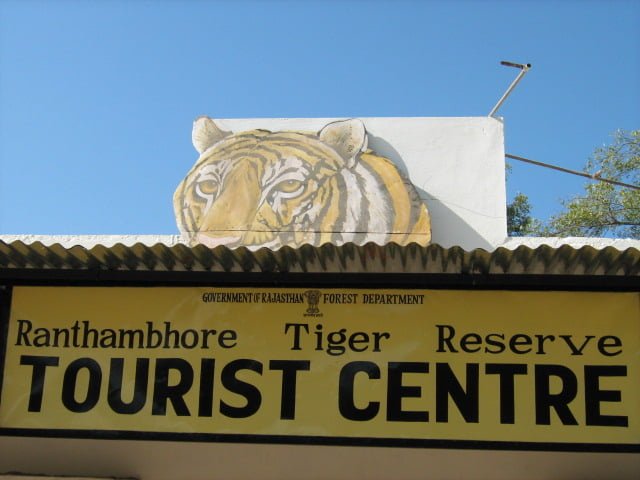
Ranthambore National Park is located in the Sawai Madhopur district of Rajasthan. Both foreign and Indian tourists can reach here quite easily. The Sanganer Airport is the nearest international airport located in Jaipur. And from Jaipur, shuttle services are easily available for Sawai Madhopur.
You can also hire a private taxi to reach Ranthambore Tiger Reserve (Sawai Madhopur). Travelling by road from Jaipur to Sawai Madhopur usually takes 3 hours to cover the distance of around 161 kilometres. If you are looking for a cheaper source of transportation, then travelling by train can also be a good option for you. Trains between Jaipur and Sawai Madhopur run daily. Some of the trains require a prior reservation, but there are also local trains running between Jaipur and Sawai Madhopur for which tickets can be availed at the station ticket counter the very same day.
ATTRACTIONS AT RANTHAMBORE NATIONAL PARK
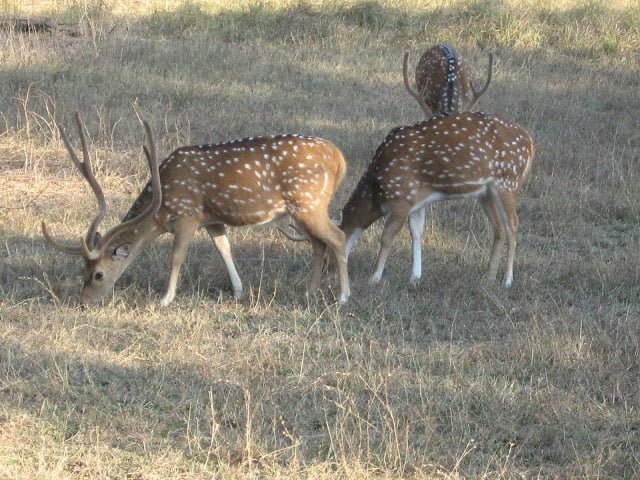
Ranthambore National Park is full of wildlife attractions and natural beauty. When you are here in this wildlife sanctuary, you may across numerous wild species such as Tiger, Leopard, Wild Boar, Sloth Bear, Crocodile, Indian Langur, Spotted Deer, Sambhar, Nilgai, Striped Hyena, Chital, Rhesus Macaque and many others.
Apart from the above-mentioned wild animals, this forest reserve also has a lot of attractions for bird lovers too. Many popular Indian birds that reside in Ranthambore Tiger Reserve include Indian Grey Hornbills, Woodpeckers, Graylag Goose, Cuckoos, Common Kingfishers, Parakeets, Bee Eaters, Nightjars, Asian Palm Swift, Pigeon, Flamingos, Bulbul, Mynas, Falcons, etc.
Ranthambore Safari Booking: Step-by-Step Guide
For Ranthambore safaris during peak season (October to March), it’s highly advisable to book 90-120 days in advance. This ensures availability, especially for preferred zones and vehicle types (jeep/canter). Last-minute ‘tatkal’ bookings are limited and not guaranteed. Early booking is paramount to secure your desired dates and safari experience.
Securing your Ranthambore safari is the first, and most crucial, step towards an unforgettable wildlife encounter. The process, governed by the Rajasthan Forest Department, requires foresight, especially during peak travel months. Here’s a detailed guide:
-
Official Booking Channels
All safari bookings are managed by the Forest Department. The most reliable and verified channel for booking is through the official Rajasthan Forest Department website or reputable tour operators like TourismBharat, who streamline the process for you. Avoid unofficial websites promising instant bookings, as they may lead to complications.
-
Choosing Your Safari Type: Jeep or Canter
- Jeep (Gypsy) Safari: Accommodates 6 passengers. Offers greater flexibility to navigate narrower tracks and provides a more intimate viewing experience. Ideal for serious wildlife enthusiasts and photographers.
- Canter Safari: An open-top, 20-seater bus. A more economical option, suitable for larger groups and families. While it covers the same routes as jeeps, its larger size can be less agile on certain trails.
Both vehicle types offer distinct experiences; your choice depends on group size, budget, and desired intimacy with the wilderness.
-
Selecting Safari Zones
Ranthambore National Park is one of the best wildlife safari destinations in India and is divided into 10 core safari zones (Zones 1-10). The specific zone allocated for your safari is determined randomly by the Forest Department at the time of booking, or closer to the safari date, to ensure equitable distribution of tourists. While you cannot choose a specific zone during booking, you can express preferences through certain operators, though final allocation remains with the Forest Department.
- Zones 1-5: Often considered the premium zones due to historically high tiger sightings, better accessibility to major water bodies like Padam Talao and Rajbagh Lake, and dense wildlife concentration.
- Zones 6-10: These zones are equally rich in biodiversity and offer unique landscapes, though tiger sightings might traditionally be perceived as slightly lower than the core zones. However, with tiger populations growing, these zones are increasingly active.
-
Required Information for Booking
For each traveller, you will need to provide:
- Full Name (as per ID)
- Date of Birth
- Gender
- Nationality
- Photo ID Proof (Passport for foreigners, Aadhaar Card/Driving License/PAN Card for Indians)
-
Booking Confirmation & Permit
Once your payment is processed, you will receive a booking confirmation. The actual entry permit, known as the ‘Boarding Pass,’ is generated on the day of the safari. You must carry the original ID proof provided during booking for verification at the park entrance.
Seasonality & Weather Matrix for Ranthambore Safaris
Understanding the weather patterns is key to planning your Ranthambore trip.
| Month Range | Temperature (°C) | Rainfall | Crowd Levels | Tiger Sighting Potential |
|---|---|---|---|---|
| October – March (Peak) | 10-30°C (pleasant) | Very Low | High | Excellent (vegetation sparse, tigers seek water) |
| April – June (Summer) | 25-45°C (hot) | Low | Moderate to High | Very High (tigers frequently near water bodies) |
| July – September (Monsoon) | 25-35°C (humid) | High | Park Closed (core zones) | N/A (Park Closed) |
Choosing Your Ranthambore Safari: Jeep vs. Canter & Zone Insights
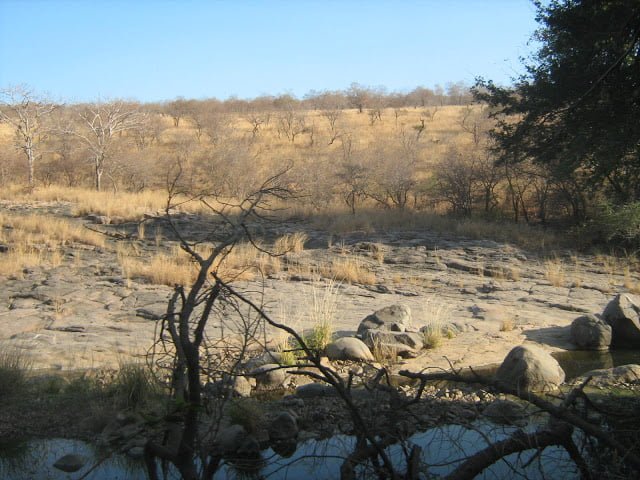
Zones 1-5 are generally considered the best for tiger sightings in Ranthambore due to their dense wildlife population and water sources like Padam Talao. Zone 3, encompassing Rajbagh Lake, is particularly renowned. While sightings depend on luck, these zones offer higher statistical chances for encounters.
The choice between a jeep and canter significantly shapes your safari experience. Jeeps offer a more exclusive feel, while canters are budget-friendly and accommodate larger groups. Understanding the dynamics of Ranthambore’s zones further refines your strategy.
Deep Dive into Ranthambore’s Safari Zones & Gates
Each zone has unique characteristics and specific entry/exit gates to manage traffic flow. While you book a safari for Ranthambore, the specific zone (and thus the corresponding entry gate) is allotted by the forest department on the day of the safari. You cannot choose a specific gate beforehand, as it is tied to your zone allocation.
- Zone 1 (Singhdwar Gate): Known for historical structures like Lahpur and Sultanpur. Home to Tigress Noor (T-101) and cubs.
- Zone 2 (Jogi Mahal Gate): Very popular, featuring the Jogi Mahal, Ranthambore Fort buffer, and water bodies like Phuta Kot and Nalghati. Tigers such as T-19 (Krishna), T-72 (Sultan), and their progenies frequent this zone.
- Zone 3 (Rajbagh Lake Gate): Arguably the most picturesque, with Rajbagh Lake, Padam Talao, and Malik Talao. Tigers like Ranthambore’s iconic Machli (T-16) once roamed here. Today, it hosts families like Arrowhead (T-84) and her cubs.
- Zone 4 (Malik Talao Gate): Features the beautiful Malik Talao and famous spots like Berda, Semli, and Lakkad Da. Known for encounters with cubs and female tigers.
- Zone 5 (Anantpur Gate): Offers a mix of grassland and hilly terrain, with sights like Anatpur, Singhdwar, and the Gular Kui waterhole. Tigers like T-28 (Star Male) and its lineage have been prominent here.
- Zone 6 (Khandar Gate): Entry via the main park gate, extending towards the periphery. Less crowded, with varied terrain and good birding opportunities. Tigers are establishing new territories here.
- Zone 7 (Chidikho Gate): Similar to Zone 6, offering dense forests and a chance for sloth bear and leopard sightings, alongside tigers.
- Zone 8 (Balas Gate): Characterized by open grasslands and small hills, often frequented by deer and nilgai, which attract predators.
- Zone 9 (Devpura Gate): A smaller zone, primarily grassland and open areas, often preferred for birdwatching but also hosts tigers.
- Zone 10 (Akkwa Gate): Another peripheral zone, recently opened, with developing tiger territories and diverse wildlife.
Expert Tip: While Zones 1-5 statistically offer higher chances, a tiger can be seen anywhere. Zones 6-10, though less visited, offer unique landscapes and a more tranquil safari, sometimes surprising visitors with incredible sightings as tigers expand their territories.
Maximising Your Tiger Sighting Chances in Ranthambore National Park
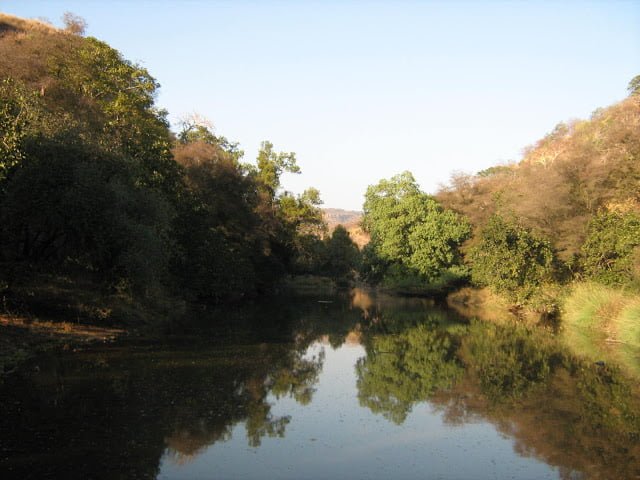
Official Ranthambore safari bookings typically do not allow selecting specific guides or vehicle numbers. Guides and vehicles are allocated by the forest department based on availability. While you can choose between a jeep or canter, direct personalization beyond that is generally not possible.
Witnessing a tiger in the wild is a matter of luck, patience, and strategy. While no sighting is guaranteed, certain practices can enhance your chances:
-
Time of Day & Season
Tigers are most active during the cooler parts of the day. The early morning (6:30 AM – 10:00 AM) and late afternoon (2:30 PM – 6:00 PM) safaris offer the best chances. During summer months (April-June), tigers frequently visit water bodies to quench their thirst, making sightings near lakes and ponds more probable. In winter (October-March), the sparse vegetation aids visibility.
-
Role of Local Naturalists & Guides
Every safari vehicle is accompanied by a Forest Department-approved guide (also known as a naturalist). These guides are allocated randomly by the Forest Department. They are invaluable, possessing deep knowledge of the park’s ecosystem, animal behaviour, and tracking skills. They communicate with other drivers and guides to follow recent pugmarks or alarm calls.
While you cannot choose your allocated guide, hiring a dedicated, highly experienced private naturalist for your entire trip (often arranged through your tour operator for private jeep bookings) can significantly enhance your experience. These specialised naturalists provide in-depth commentary and insights. This service usually comes at an additional cost, ranging from INR 2,000 – 5,000 per safari, depending on their experience and demand, paid directly or through the operator.
-
Patience and Observation
The wilderness operates on its own clock. Be patient, scan the surroundings diligently, and listen for alarm calls from deer or monkeys, which often signal a predator’s presence. Sometimes, the best sightings happen when you least expect them, often after a period of quiet waiting.
-
Multiple Safaris
The more safaris you undertake, the higher your chances. Ideally, plan for at least 3-4 safaris across different zones and times of day to maximise your opportunities.
Best Ranthambore Safari Packages: Compare & Book
TourismBharat offers a range of curated Ranthambore safari packages designed to cater to diverse traveller needs, ensuring a seamless and enriching experience from arrival to departure.
Budget & Category Breakdown (Per Person, Per Day)
This table provides a general estimate for accommodation, meals, and one safari per day. Prices can fluctuate based on season, specific resort, and inclusions.
| Category | Approx. Cost (INR) | Approx. Cost (USD) | Typical Inclusions |
|---|---|---|---|
| Budget (Guesthouse/Basic Hotel) | INR 3,000 – 6,000 | $35 – $70 | Basic accommodation, simple meals, shared canter safari. |
| Mid-Range (Resort/Hotel) | INR 8,000 – 15,000 | $95 – $180 | Comfortable accommodation, all meals, shared jeep/canter safari, some amenities. |
| Luxury (Boutique Resort/Wildlife Lodge) | INR 18,000 – 35,000+ | $215 – $420+ | Premium accommodation, gourmet dining, private jeep safari (optional), expert naturalists, transfers, spa facilities. |
Planning your Ranthambore adventure requires considering your travel style and companions. TourismBharat.com crafts tailor-made experiences for every kind of explorer:
- Couples/Honeymoon: Indulge in romantic stays at luxury resorts like The Oberoi Vanyavilas or Aman-i-Khás, offering private pool villas and bespoke dining experiences under the stars. Enjoy private jeep safaris, ensuring intimate wildlife encounters.
- Families: Opt for family-friendly resorts such as The Pugmark or Ranthambhore Regency, which provide comfortable accommodations, kids’ activities, and larger canter safaris for group enjoyment. We can arrange child-friendly guides and fort visits.
- Solo Travelers/Adventurers: We recommend mid-range camps or guesthouses for a communal atmosphere. Our packages include multiple safaris, opportunities for village walks, and interactions with local culture, designed for those seeking immersion and discovery.
- Corporate/MICE Offsites: For corporate retreats, properties like Ranthambore Kothi or Nahargarh Ranthambhore offer conference facilities, team-building activities, and group safari arrangements, blending business with an exhilarating wilderness experience.
Ready to plan your perfect Ranthambore getaway? Speak to a TourismBharat.com travel specialist today for a customised itinerary!
Ranthambore for Families: Tips for Travelling with Kids
Travelling to Ranthambore with children can be incredibly rewarding. To ensure a smooth experience, choose family-friendly accommodations, pack essentials like snacks and entertainment, and manage expectations regarding tiger sightings. Opt for canter safaris for larger groups or ensure jeep comfort.
A wildlife safari can be a magical experience for children, fostering a love for nature and conservation. With some planning, your family trip to Ranthambore can be enjoyable for all ages:
-
Prepare for the Safari
Safaris can be long and sometimes involve waiting. Bring snacks, water, and perhaps a small quiet activity book or binoculars for kids. Explain what they might see and manage expectations—seeing a tiger is never guaranteed, but the overall experience of the jungle is fascinating.
-
Choose the Right Vehicle
Canters are generally more suitable for families with young children due to their larger space and slightly smoother ride. Jeeps can be thrilling, but ensure children are comfortable with the open vehicle and occasional bumpy terrain.
-
Accommodation with Amenities
Select resorts that offer family rooms, play areas, or swimming pools to keep children engaged outside of safari hours. Many luxury camps also offer dedicated kids’ programs.
-
Beyond the Tiger
Highlight the other incredible wildlife: deer, monkeys, crocodiles, exotic birds. Make it a game to spot different animals. A visit to the Ranthambore Fort can also be an engaging historical detour.
Responsible Tourism & Conservation Efforts in Ranthambore
Responsible tourism in Ranthambore supports conservation by respecting wildlife, adhering to park rules, and minimizing environmental impact. Visitors should maintain silence, avoid littering, and respect local communities. Choosing eco-friendly operators helps fund vital anti-poaching and habitat protection initiatives.
Tourism plays a dual role in Ranthambore—it funds conservation but also brings challenges. As visitors, we have a responsibility to contribute positively:
-
Adhere to Park Rules
Always follow your guide’s instructions. Maintain silence, avoid sudden movements, and never attempt to feed or approach animals. Stay seated in your vehicle at all times.
-
Leave No Trace
Do not litter. Carry all your waste back to your accommodation. Avoid single-use plastics wherever possible.
-
Support Local Communities
Purchase local handicrafts and support businesses that employ locals. This provides alternative livelihoods and reduces dependence on park resources.
-
Conservation Initiatives
Ranthambore National Park is at the forefront of tiger conservation, with initiatives like anti-poaching patrols, habitat improvement, and community engagement programs. Your safari fees directly contribute to these efforts. Choosing certified eco-tourism operators, like TourismBharat.com, ensures your contribution goes towards sustainable practices.
Beyond the Safari: Exploring Sawai Madhopur & Nearby Attractions
Sawai Madhopur, the gateway to Ranthambore, offers rich cultural and historical experiences beyond safaris. Explore the majestic Ranthambore Fort, indulge in authentic Rajasthani cuisine, and discover unique local handicrafts, enriching your trip with a glimpse into Rajasthan’s heritage.
While the tiger is Ranthambore’s star attraction, the region of Sawai Madhopur offers a captivating blend of history, culture, and local charm that deserves exploration.
-
Ranthambore Fort
A UNESCO World Heritage Site, this formidable 10th-century fort stands majestically within the park boundaries, offering panoramic views. Its rich history, ancient temples (including a Ganesh Temple), and serene lakes make it a must-visit. It’s also possible to spot wildlife, especially langurs and peacocks, around the fort.
-
Trinetra Ganesh Temple
Located within Ranthambore Fort, this ancient temple is unique as it houses a rare idol of Lord Ganesha with three eyes. It’s a significant pilgrimage site and offers breathtaking views of the surrounding landscape.
-
Local Cuisine and Dining Experiences
Beyond the hotel restaurants, Sawai Madhopur boasts authentic Rajasthani culinary delights. Explore local eateries for dishes like Dal Bati Churma, a staple platter, spicy Laal Maas (mutton curry), and various vegetarian curries. Sweet treats like Ghewar and Mawa Kachori are delightful. Many resorts can also arrange special outdoor dinners with local flavours for a unique experience.
-
Specific Local Handicrafts and Souvenirs
The region is known for several unique handicrafts. Look for:
- Miniature Paintings: Often depicting wildlife scenes, rural life, or historical themes, these intricate paintings are a hallmark of Rajasthani art.
- Hand-block Printed Textiles: Sawai Madhopur is close to traditional block printing centres. You can find vibrant fabrics, scarves, and home furnishings.
- Lac Bangles: Colourful and intricately designed, these traditional bangles make beautiful souvenirs.
- Local Pottery & Tribal Art: Support local artisans by purchasing handcrafted pottery or unique tribal art pieces that reflect the region’s cultural heritage.
-
Rural Excursions
Consider a visit to a nearby village to experience rural Rajasthani life, interact with local communities, and gain insights into their sustainable practices.
Essential Ranthambore Safari Permits & Quotas Explained
Ranthambore safaris require official permits, primarily the Advance Booking Permit (ABP) and a limited ‘Tatkal’ quota. Permit quotas are strictly enforced per zone and vehicle type (20 jeeps, 20 canters per shift per zone, with Tatkal having 5 jeeps, 5 canters). This strict limit necessitates booking 90-120 days in advance, especially for preferred zones and peak season.
Understanding the permit system is vital for a successful Ranthambore trip. The Forest Department issues permits under strict quotas to regulate tourism flow and minimise disturbance to wildlife:
-
Permit Types
- Advance Booking Permit (ABP): This is the primary permit type. Bookable well in advance (up to 365 days, though 90-120 days is practical for peak season).
- Tatkal Permit: A very limited quota of permits released 24 hours prior to the safari, available on a first-come, first-served basis at the park office. These are highly sought after and not guaranteed, mostly used for last-minute travellers or those who missed advance booking.
-
Quota Breakdown
The Forest Department imposes stringent limits:
- Jeeps: Approximately 20 jeeps per shift per zone are allowed.
- Canters: Approximately 20 canters per shift per zone are allowed.
- Tatkal Quota: Typically, 5 jeeps and 5 canters are reserved per shift for the Tatkal quota.
This means only a limited number of vehicles can enter each of the 10 zones during the morning and afternoon shifts. This strict regulation is the primary reason why advance booking is absolutely essential, particularly for the more popular zones and during peak season.
-
Impact on Booking Difficulty
The limited quotas, especially for Jeeps in Zones 1-5, make Ranthambore safaris highly competitive. During holidays, long weekends, and the entire peak season (October-March), permits can sell out within minutes of becoming available online. Missing entities like the specific permit names and their impact are crucial for visitors to understand why early planning is non-negotiable.
Detailed Ranthambore Safari Cancellation & Modification Policy
Ranthambore safari bookings are generally non-refundable and non-transferable once confirmed, as per forest department rules. It is important to be certain of your travel plans before booking. No-shows are not eligible for refunds. Always review specific terms during the booking process with the forest department or your chosen operator.
The strict policies surrounding Ranthambore safari bookings are in place due to the high demand and limited availability of permits. It is imperative to understand these before making a reservation:
-
No Cancellation, No Refund Policy
Once a safari permit is confirmed and issued by the Forest Department, it is typically non-cancellable and non-refundable. This applies irrespective of personal circumstances, flight cancellations, or changes in travel plans. Funds paid are usually forfeited.
-
Non-Transferable
Safari permits are issued against specific names and identification documents. They are non-transferable, meaning you cannot change the names of the travellers once the booking is confirmed. Any discrepancies at the park entry gate can lead to denial of entry without a refund.
-
Modification Policy
Modifications to safari dates, zones, or vehicle types are generally not permitted once the booking is confirmed. In rare cases where changes might be allowed (e.g., a specific official directive), they usually involve cancellation of the original booking and re-booking, incurring new charges and facing current availability.
-
What if the Park Closes?
In extremely rare circumstances, such as severe weather, natural disaster, or unforeseen government orders, the park or certain zones might be temporarily closed. In such cases, the Forest Department determines the refund policy, which may or may not include a full refund. This is an exception, not a rule.
-
Recommendation
Given the stringent policies, TourismBharat.com strongly advises clients to confirm all travel plans—flights, accommodation, and personal availability—before booking their Ranthambore safari permits. Consider travel insurance that covers non-refundable bookings for unforeseen circumstances.
Photography Guide for Ranthambore Wildlife Safari
Capturing Ranthambore’s wildlife requires patience and appropriate gear. A DSLR/mirrorless camera with a telephoto lens (300mm-600mm) is essential for tigers. Use fast shutter speeds, manage ISO in varied lighting, and practice silent movements to photograph animals without disturbance.
Ranthambore offers incredible opportunities for wildlife photography, from the elusive tiger to vibrant birdlife and historic fort backdrops. Here’s how to make the most of your photographic journey:
-
Recommended Gear
- Camera Body: A DSLR or mirrorless camera with good low-light performance (high ISO capabilities).
- Lenses:
- Telephoto Lens (300mm-600mm): Essential for capturing wildlife from a distance, especially tigers. A 100-400mm or 150-600mm zoom lens offers versatility.
- Wide-Angle Lens (optional): For landscape shots of the fort and scenic vistas.
- Accessories:
- Bean Bag: Crucial for stability in a moving jeep/canter, much more practical than a tripod.
- Extra Batteries & Memory Cards: You don’t want to miss a shot due to power or storage issues.
- Dust Blower/Cleaning Kit: The park can be dusty.
- Rain Cover: For monsoon season or unexpected showers.
-
Techniques for Wildlife Photography
- Shutter Speed: Aim for fast shutter speeds (1/500s or higher) to freeze motion, especially for animals on the move.
- Aperture: Use a wider aperture (lower f-number like f/4 or f/5.6) to create a shallow depth of field, blurring the background and making your subject pop.
- ISO: Adjust ISO as needed for changing light conditions, especially in the early morning or late afternoon. Modern cameras handle higher ISOs well.
- Composition: Follow the rule of thirds, look for interesting light, and try to capture the animal’s eyes for compelling portraits.
- Patience: Wildlife photography is largely about waiting. Be ready, but don’t rush or disturb the animals.
-
Respectful Photography Etiquette
- Maintain Distance: Never ask your guide/driver to get too close to an animal.
- Silence is Golden: Avoid loud noises or sudden movements that might scare wildlife.
- No Flash: Do not use flash photography at night or directly at animals, as it can disorient and stress them.
Practical Details for Your Ranthambore Trip
-
Mobile Network Coverage
Mobile network coverage in Ranthambore National Park is generally patchy, especially in the deeper zones. You might find sporadic signals for major carriers like Jio, Airtel, and Vodafone Idea near the park entrance and in Sawai Madhopur town. It’s advisable to inform family of limited connectivity, download maps offline, and enjoy a digital detox.
-
Availability and Reliability of Medical Facilities
Sawai Madhopur town has several private clinics and a government district hospital providing basic medical services. For serious emergencies or specialised treatment, Jaipur is the closest major city with advanced medical facilities (approx. 3-4 hours drive). It’s wise to carry any personal medications and a basic first-aid kit. Your hotel or tour operator can assist in case of a medical need.
-
Accessibility Information for Differently-Abled Visitors
Ranthambore National Park safaris, due to the rugged terrain and open vehicles, can pose challenges for differently-abled visitors. However, efforts are made for inclusion:
- Safari Vehicles: Standard jeeps and canters are not specially equipped. Some resorts or private operators might be able to arrange specific jeeps that allow for easier entry/exit, or provide assistance. It’s crucial to communicate your specific needs well in advance during booking.
- Accommodations: Many modern and luxury resorts in Sawai Madhopur offer accessible rooms and facilities. Always confirm directly with the property or through TourismBharat.com.
- Recommendation: We strongly advise discussing specific accessibility requirements with TourismBharat.com specialists when planning your trip, so we can make the necessary arrangements and recommendations.
-
Local Transport Fare Ranges
Getting around Sawai Madhopur:
- Auto-rickshaws: INR 50-200 for short distances within the town.
- Taxis/Cabs: INR 500-1500 for transfers between Sawai Madhopur railway station/bus stand and hotels, depending on distance and vehicle type. Private full-day cabs can range from INR 2500-4000.
-
Regional Dress/Cultural Etiquette
Rajasthan is a culturally rich state. While on safari, comfortable, muted-colored clothing is recommended. Outside the park, especially when visiting temples or local villages, modest attire (shoulders and knees covered) is appreciated. Always ask permission before photographing people, especially women. A respectful ‘Namaste’ goes a long way.
Transit & Logistics: Seamless Travel to Ranthambore with TourismBharat.com
Planning your journey to Ranthambore is made simple with TourismBharat. We ensure smooth transitions from your arrival point to the heart of the tiger land:
- Flight Connectivity: The nearest airport to Ranthambore is Jaipur International Airport (JAI), approximately 160 km away. Jaipur is well-connected to major Indian cities like Delhi, Mumbai, Kolkata, Bengaluru, and Chennai, and also offers international flights.
- Nearest Railway Station: Sawai Madhopur Junction (SWM) is the closest railway station, just 11 km from the park entrance. It’s a major railhead, well-connected to Delhi, Mumbai, Jaipur, Agra, and other prominent cities. Many trains, including luxury options like the Palace on Wheels, stop here.
- Vetted Cab Rentals: Upon arrival at Jaipur Airport or Sawai Madhopur railway station, TourismBharat can arrange pre-booked, vetted cab rentals for a comfortable and hassle-free transfer to your accommodation. Our drivers are experienced and knowledgeable about the local routes, ensuring your safety and convenience.
Let TourismBharat.com handle your logistics! Book reliable transfers and car rentals for your Ranthambore adventure today.
Ranthambore is more than just a wildlife destination; it’s an experience that awakens the senses, connects you with nature, and leaves an indelible mark on your soul. From the thrill of a tiger sighting to the serene beauty of the ancient fort, every moment here is a story waiting to be told. With this comprehensive guide and the unwavering support of TourismBharat.com, your Ranthambore safari booking and entire journey will be nothing short of extraordinary.
Ready to track the majestic tiger and immerse yourself in the wonders of Ranthambore? Let TourismBharat.com craft your perfect wilderness escape. Request a customised itinerary, book verified hotels, or speak to a TourismBharat travel specialist to begin your unforgettable Indian journey.
Excellent Content.
Dear Arwaz,
Thank you for appreciating our content. Stay tuned to TourismBharat to read more interesting posts on travel & tourism.
You can also subscribe to our Youtube channel here to watch interesting travel & tourism videos: https://www.youtube.com/tourismbharat
Regards,
Team TourismBharat.com